
Our Blushing Brides
"Brides who blushed"
Keys: Space play/pause · ←/→ 10s · F fullscreen · M mute · </> speed
About this film
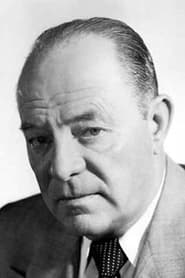
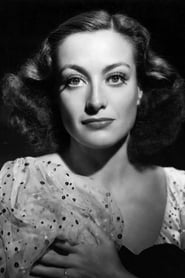
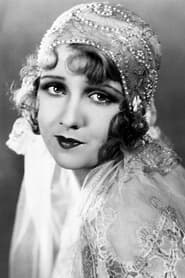
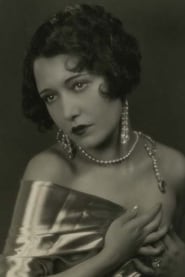
Joan Crawford and MGM trio navigate Manhattan gold-digging and marriage traps in pre-Code drama. Jerry, Connie, and Franky are small-town girls seeking wealthy husbands in New York City. But, while Connie and Franky are reckless with their affections — one bedding a married man and the other marrying a scoundrel — Jerry is determined to remain practical.
Cast & crew
More Drama films
View all →






More from Harry Beaumont
View all →

More about this film
About the production
Release dateJuly 19, 1930
Budget$337,000
Box office$1,211,000
ProductionMetro-Goldwyn-Mayer (MGM)
Filmed inMGM Studios - 10202 W. Washington Blvd., Culver City, California, USA
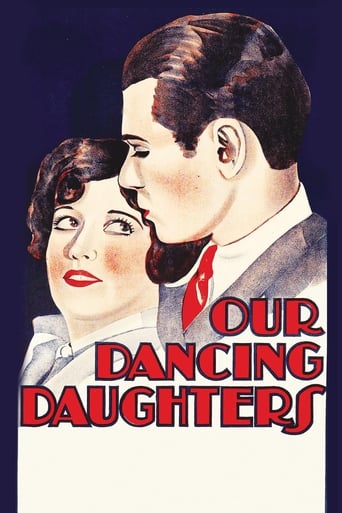
This film served as the final installment in an unofficial 'Our' trilogy starring Joan Crawford, Anita Page, and Dorothy Sebastian, following 'Our Dancing Daughters' (1928) and 'Our Modern Maidens' (1929). Unlike its predecessors, which were silent or part-talkie, this was a fully synchronized sound production. The film was specifically designed to transition Joan Crawford from her 'Jazz Age flapper' persona into a more sophisticated 'shopgirl-Cinderella' archetype that resonated with Depression-era audiences. Production was overseen by Harry Beaumont, who directed all three films in the series.
Themes
Class MobilityFemale FriendshipMoral Integrity vs. Material WealthConsequences of RecklessnessThe 'Shopgirl' Mythos
Themes & topics
Department storeRoommatesSuicideSocial climbingMannequinThiefRich vs PoorPre-Code
Historical background
1930 placed Our Blushing Brides within United States cinema as Metro-Goldwyn-Mayer (MGM) navigated wartime markets, immigration audiences, and the shift from intertitles to sound.
Why this film matters
Archivists revisit Our Blushing Brides (1930) for Harry Beaumont style, genre norms at Metro-Goldwyn-Mayer (MGM), and the exhibition context of 99 minutes programming.
Making of
The production faced significant challenges with early sound technology, which is occasionally evident in the stilted nature of some dialogue scenes. Director Harry Beaumont had to balance the film's melodramatic plot with the technical limitations of bulky microphones and cameras. Censors in Massachusetts originally objected to several scenes, including a 'drunk scene' and a 'kimono scene' featuring Crawford and Montgomery; the studio was forced to make substitutions to satisfy local decency boards. The film's costumes were a high priority for MGM, as they wanted to maintain Crawford's status as a style icon while grounding her in a more relatable, working-class role.
What critics said
Retrospective writing on Our Blushing Brides stresses craft by Harry Beaumont, print survival, and repertory value rather than opening-week gross alone.
Did you know?
- This was Joan Crawford's 31st film and her fourth sound picture.
- Despite the similar titles and recurring cast, the actresses play different characters in each of the three 'Our' films.
- Joan Crawford famously called the film a 'dud' in later years, though she admitted her own performance was 'okay.'
- The film features a lavish fashion show sequence showcasing the designs of Adrian, which was a major draw for female audiences of the time.
- Hedda Hopper, who later became a famous and feared Hollywood gossip columnist, appears in the film as Lansing Ross-Weaver.
- The 'treehouse' or bachelor retreat featured in the film was an elaborate Art Deco set designed by the Cedric Gibbons.
- Future star Ann Dvorak appears in an uncredited role as a party guest.
- The film's title is considered ironic, as the characters' lives are often gritty and far from the 'blushing' innocence the title suggests.
Visual style
The cinematography by Merritt B. Gerstad is notable for its use of soft lighting to enhance the glamour of the lead actresses. The camera work is somewhat static due to the constraints of early sound recording, but it effectively captures the contrast between the cramped, dingy apartment of the girls and the sprawling, luxurious estates of the Jardine family.
Innovations
While not revolutionary, the film is a solid example of early sound synchronization. Its primary technical achievement lies in its art direction and costume design, which pushed the boundaries of studio-bound realism to create a highly stylized, aspirational version of New York City.
Music
The film features a score that includes early sound era musical flourishes, with Dimitri Tiomkin contributing to the musical arrangements. The use of a phonograph in the girls' apartment to play jazz music serves as a bridge between the silent era's 'Jazz Baby' themes and the new world of 'talkies.'
Famous quotes
Jerry: 'I'm not looking for a man to keep me. I'm looking for a man I can keep.'
Tony: 'You're a very unusual girl, Jerry. Most girls in your position would be only too glad to have a friend like me.'
Jerry: 'I don't want a friend like you, Tony. I want a husband.'
Memorable scenes
- The elaborate Art Deco fashion show where Jerry models lingerie and evening gowns.
- The tragic climax where Connie commits suicide by taking poison while listening to the radio broadcast of David's wedding to another woman.
- The scene in Tony's 'treehouse' retreat where Jerry rejects his advances, asserting her moral independence.
What audiences thought
The film was a significant commercial success, earning over $1.2 million at the box office against a modest budget. Audiences, particularly women, were drawn to the glamorous fashion sequences and the relatable plight of the three roommates. It solidified Crawford's position as one of MGM's top box-office draws.
Film connections
Influenced by
- The Greeks Had a Word for Them (play by Zoë Akins)
- Our Dancing Daughters (1928)
- Our Modern Maidens (1929)
This film influenced
- The Women (1939)
- How to Marry a Millionaire (1953)
- Stage Door (1937)
Film restoration
The film is well-preserved and has been released on DVD as part of the Warner Archive Collection and the 'Forbidden Hollywood' series.
Where to watch
- Warner Archive Collection (DVD)
- TCM (Turner Classic Movies) occasional broadcasts
- Digital rental/purchase on platforms like Amazon Video or Apple TV