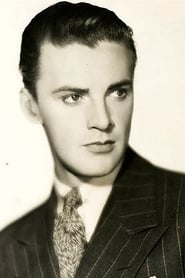
Raymond Hackett
Actor
Born: July 15, 1902 in New York City, New York, USA Died: July 7, 1958 Active: 1915-1933
Films
5 films


About Raymond Hackett
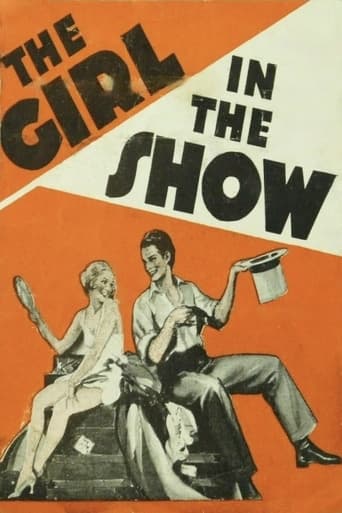
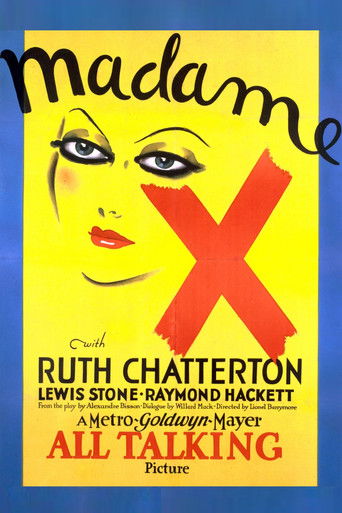
Raymond Hackett is credited on a single production — The Girl in the Show (1929). Born into a theatrical family, he made his film debut as a teenager and quickly established himself as a reliable supporting actor throughout the silent era. His career transitioned into the early sound period, where he continued to find work in character roles, though his prominence began to wane as the 1930s progressed. Hackett appeared in numerous films throughout the 1920s and early 1930s, often playing sophisticated or romantic supporting roles. His most notable films from this period include 'The Girl in the Show' (1929) and 'Madame X' (1929), both early talkies that showcased his ability to adapt to the new sound technology. Despite his talent and family connections in the industry, his career gradually declined in the 1930s, leading to fewer film opportunities. He spent his final years in relative obscurity before his death in 1958, leaving behind a legacy as a transitional figure between silent and sound cinema.
The Craft
On Screen
Hackett was known for his naturalistic acting style that adapted well from the exaggerated gestures required in silent films to the more subtle performances demanded by sound cinema. He possessed a screen presence that conveyed both charm and sophistication, making him particularly effective in romantic and dramatic supporting roles. His ability to transition between mediums demonstrated his versatility as an actor during one of cinema's most transformative periods.
Milestones
- Child actor in silent films
- Successful transition to sound films
- Notable roles in 'The Girl in the Show' (1929) and 'Madame X' (1929)
- Member of the prominent Hackett acting family
- Marriage to silent film star Blanche Sweet
Best Known For
Iconic Roles
Must-See Films
Working Relationships
Worked Often With
Studios
Why They Matter
Impact on Culture
Raymond Hackett represents the generation of actors who successfully navigated the challenging transition from silent films to sound cinema. His career shows the adaptability required of performers during this pivotal period in film history. While not achieving the lasting fame of some of his contemporaries, Hackett's work in early talkies contributed to the development of sound film techniques and acting styles that would define Hollywood's Golden Age. His family connections through the Hackett dynasty also highlight the importance of theatrical families in early Hollywood's development.
Lasting Legacy
Raymond Hackett's legacy is primarily preserved through his film work from the late silent and early sound era, which serves as valuable documentation of cinema's technological and artistic evolution. His performances in transitional films like 'The Girl in the Show' and 'Madame X' provide insight into how actors adapted their craft for the new medium of sound. While not as widely remembered as some of his contemporaries, Hackett remains an interesting figure for film historians studying this crucial period of cinematic history.
Who They Inspired
Hackett's influence was primarily through his example as a performer who successfully transitioned between film mediums. His work demonstrated to other actors the possibilities for career longevity during the disruptive transition to sound cinema. Through his family connections, particularly his brother Albert Hackett's successful screenwriting career, the Hackett name continued to have influence in Hollywood long after Raymond's acting career had ended.
Off Screen
Raymond Hackett came from a family deeply entrenched in the entertainment industry. He was married to prominent silent film actress Blanche Sweet, one of the era's most celebrated stars. Their marriage brought together two established figures from early Hollywood, though it eventually ended in divorce. Hackett maintained connections with his family throughout his career, including his brother Albert Hackett, who later became a successful screenwriter. After his acting career diminished, Hackett lived a relatively private life in Hollywood until his death from a heart attack at age 55.
Education
Limited formal education, primarily trained through practical experience in the film industry from childhood
Family
- Blanche Sweet (1929-1939)
Did You Know?
- Part of the famous Hackett acting family that included his brother Albert Hackett, the Academy Award-winning screenwriter
- Began his film career as a child actor in the mid-1910s
- Successfully made the transition from silent films to talkies, a feat many actors of his generation failed to achieve
- Married to silent film star Blanche Sweet, who was
- His active years covered nearly two decades, from the mid-1910s through the early 1930s
- Appeared in over 40 films throughout his career
- Died just eight days before his 56th birthday
- His sister Frances Hackett was also an actress
- Worked with many of the major studios during his career including Paramount, MGM, and Warner Bros.
- His final film appearances were in the early 1930s as his career gradually diminished
Frequently Asked Questions
Who was Raymond Hackett?
American with credits in this catalog. He began as a child actor and successfully transitioned to talkies, appearing in films like 'The Girl in the Show' (1929) and 'Madame X' (1929). He was part of the prominent Hackett acting family and was married to silent film star Blanche Sweet.
What films is Raymond Hackett best known for?
Titles linked here include The Girl in the Show (1929), Madame X (1929).
When was Raymond Hackett born and when did he die?
Born July 15, 1902; died July 7, 1958.
What awards did Raymond Hackett win?
Raymond Hackett did not receive any major awards or nominations during his career. While he was a respected actor who successfully transitioned from silent to sound films, he did not achieve the level of recognition that came with major industry awards during his era.
What was Raymond Hackett's acting style?
Raymond Hackett was known for his naturalistic acting style that successfully adapted from the exaggerated gestures of silent films to the more subtle performances required in sound cinema. He was particularly effective in romantic and dramatic supporting roles, conveying charm and sophistication on screen. His ability to transition between mediums demonstrated his versatility as a performer during cinema's transformative period.
How was Raymond Hackett related to other famous actors?
Raymond Hackett was part of the famous Hackett acting family. His brother Albert Hackett became an Academy Award-winning screenwriter, known for classics like 'Father of the Bride' and 'It's a Wonderful Life'. His sister Frances Hackett was also an actress. This theatrical dynasty provided Raymond with industry connections throughout his career.
Why did Raymond Hackett's career end in the early 1930s?
Like many actors from the silent era, Raymond Hackett's career gradually declined in the early 1930s despite his successful transition to sound films. The changing nature of Hollywood, the emergence of new stars, and the increasing competition for roles led to fewer opportunities. By the mid-1930s, he had largely retired from acting, though he remained connected to the industry through his family.