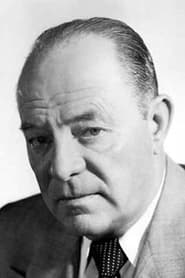
Harry Beaumont
Actor & Director
Born: February 10, 1888 in Abilene, Kansas, USA Died: December 22, 1966 Active: 1912-1946
Films
10 films
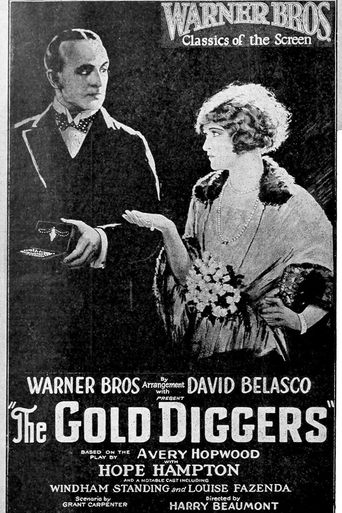
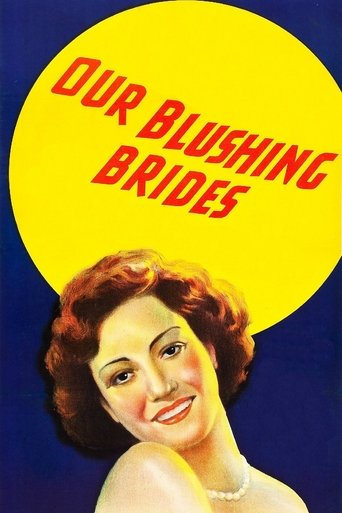

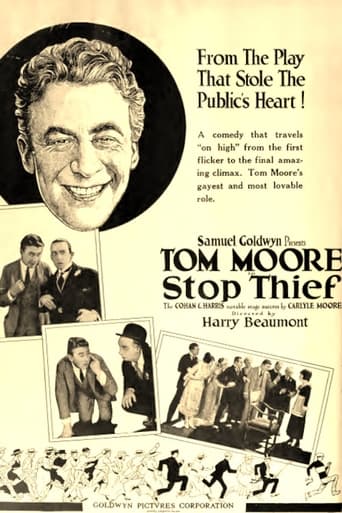
About Harry Beaumont
Harry Beaumont began his career in the film industry as an actor in the 1910s before transitioning to directing in the early 1920s. He quickly established himself as a capable director of both dramas and comedies at various studios before finding his greatest success at MGM. Beaumont's career reached its zenith during the crucial transition period from silent films to talkies, where he demonstrated remarkable adaptability to the new sound technology. His most significant achievement came with 'The Broadway Melody' (1929), which became the first sound film to win the Academy Award for Best Picture and helped establish the musical as a viable film genre. Throughout the 1930s and 1940s, Beaumont continued directing, though with diminishing commercial success, eventually retiring from filmmaking in the late 1940s. His over three decades and encompassed more than 80 films as a director, making him one of the more prolific directors of his era. Beaumont's legacy lies primarily in his work in early sound cinema and his role in launching the Hollywood musical genre.
The Craft
Behind the Camera
Beaumont was known for his efficient, straightforward directing style that emphasized clear storytelling and strong performances. During the silent era, he demonstrated a keen eye for visual composition and pacing that translated well to the sound era. His work in early musicals showed particular skill in staging musical numbers and integrating them into narrative contexts. Beaumont's approach was often described as workmanlike rather than overtly artisticistic, focusing on entertainment value and commercial appeal. He had a reputation for working well with actors, particularly in showcasing emerging stars like Joan Crawford and Bessie Love.
Milestones
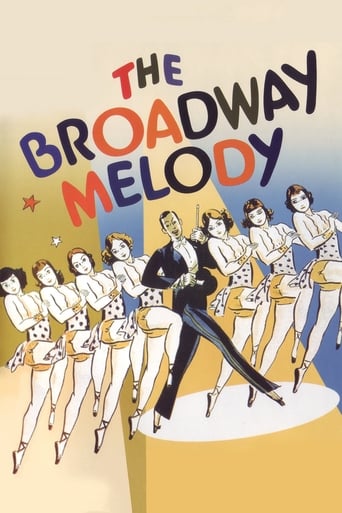
- Directed 'The Broadway Melody' (1929), first sound film to win Best Picture
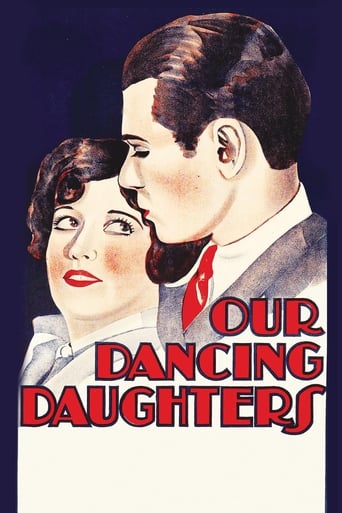
- Helped launch Joan Crawford's film career with 'Our Dancing Daughters' (1928)
- Pioneered early sound musical filmmaking techniques
- Successfully transitioned from silent to sound cinema
- Directed over 80 films during his career
Best Known For
Must-See Films
Accolades
Won
- Academy Award for Best Picture (as director of 'The Broadway Melody', 1929)
Nominated
- Academy Award nomination for Best Director for 'The Broadway Melody' (1929)
Special Recognition
- Star on Hollywood Walk of Fame (located at 6821 Hollywood Boulevard)
Working Relationships
Worked Often With
Studios
Why They Matter
Impact on Culture
Harry Beaumont's work during the transition from silent to sound cinema played a significant role in shaping the future of Hollywood filmmaking. 'The Broadway Melody' not only proved the commercial viability of the musical genre but also demonstrated that sound films could be both artistically and financially successful. His direction of Joan Crawford in 'Our Dancing Daughters' helped establish her as a major star and created a template for the modern female protagonist in Hollywood cinema. Beaumont's films reflected and influenced the cultural zeitgeist of the Roaring Twenties and early Depression era, capturing the public's fascination with modernity, jazz music, and changing social mores. His technical innovations in early sound recording and musical staging influenced countless subsequent directors and helped establish many conventions of the musical film genre that would persist for decades.
Lasting Legacy
Harry Beaumont's legacy in cinema history is primarily defined by his pivotal role in the early sound era and his contribution to establishing the musical as a major film genre. While not as remembered as some of his contemporaries, his work on 'The Broadway Melody' earned him a permanent place in Academy Award history as the director of the first sound film to win Best Picture. Beaumont's career trajectory from silent films to talkies represents the broader story of Hollywood's technological evolution during the 1920s. His efficient, commercially-minded approach to filmmaking, while sometimes criticized for lacking artistic ambition, was nonetheless instrumental in proving the economic viability of sound cinema. Today, film historians recognize Beaumont as an important transitional figure who helped bridge the gap between silent and sound eras, paving the way for the Golden Age of Hollywood musicals that would follow.
Who They Inspired
Beaumont influenced subsequent generations of filmmakers primarily through his work in early sound musicals. His techniques for staging musical numbers and integrating songs into narrative structures became templates for later directors like Busby Berkeley and Vincente Minnelli. His success with 'The Broadway Melody' demonstrated that musical films could be sophisticated, adult entertainment, encouraging studios to invest more heavily in the genre. Beaumont's work with emerging stars like Joan Crawford showed the importance of director-actor collaboration in creating memorable screen personas. While his directing style was not particularly distinctive or revolutionary, his adaptability and professionalism during the challenging transition to sound set an example for other directors facing similar technological changes in the industry.
Off Screen
Harry Beaumont married twice during his lifetime, first to actress Hazel Hayes, with whom he had two children. His second marriage was to Irene Delroy, a stage and film actress, though this marriage ended in divorce. Beaumont was known as a private individual who rarely sought the spotlight, preferring to let his work speak for itself. After retiring from directing, he lived a quiet life in Santa Monica, California, until his death in 1966 at the age of 78.
Education
Limited formal education in filmmaking; largely self-taught through practical experience in the early film industry
Family
- Hazel Hayes (1914-1935, divorced)
- Irene Delroy (1936-1940, divorced)
Did You Know?
- Directed both the English and German versions of 'The Jazz Singer' (1930)
- Began his film career as an actor, appearing in over 40 films before transitioning to directing
- Was one of the few directors who successfully made the transition from silent to sound films
- His film 'The Broadway Melody' was MGM's first all-talking musical and biggest hit of 1929
- Beaumont was originally hired as a director at MGM in 1924 for his ability to work quickly and efficiently
- Despite his success with 'The Broadway Melody', he never directed another Best Picture winner
- His films often featured strong female protagonists, helping establish new archetypes for women in cinema
- Worked with virtually every major star at MGM during his tenure there
- Was considered a reliable, if not particularly innovative, director by studio executives
- His career declined in the 1930s as newer, more innovative directors emerged in the sound era
In Their Own Words
The trouble with pictures today is that they try to be too artistic. I just want to make good entertainment that people will enjoy.
Sound didn't change everything - it just gave us new tools to tell the same stories we've always told.
Working with Joan Crawford was like discovering a new instrument - she had sounds and rhythms no one had heard before.
Frequently Asked Questions
Who was Harry Beaumont?
American on YTB.my. He is best known for directing 'The Broadway Melody' (1929), the first sound film to win the Academy Award for Best Picture, and for his work with emerging stars like Joan Crawford.
What films is Harry Beaumont best known for?
Titles linked here include The Broadway Melody (1929), Our Dancing Daughters (1928).
When was Harry Beaumont born and when did he die?
Born February 10, 1888; died December 22, 1966.
What awards did Harry Beaumont win?
Beaumont directed 'The Broadway Melody' which won the Academy Award for Best Picture in 1929, though in those early years the award was given to the studio rather than the director. He also received a nomination for Best Director for the same film.
What was Harry Beaumont's directing style?
Beaumont was known for his efficient, straightforward approach that emphasized clear storytelling and strong performances. His style was particularly effective in early musicals, where he demonstrated skill in staging musical numbers and integrating them into narrative contexts while maintaining entertainment value.