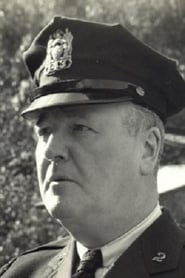
Robert Emmett O'Connor
Actor
Born: March 18, 1885 in New York City, New York, USA Died: September 9, 1962 Active: 1919-1950
Films
4 films
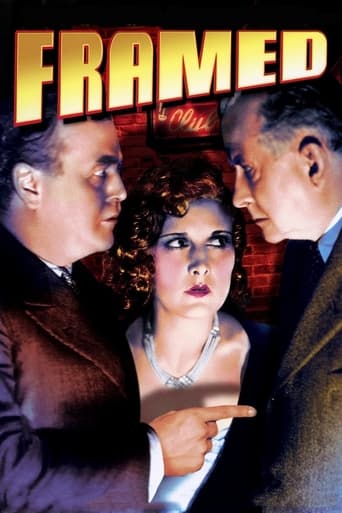
About Robert Emmett O'Connor
American character actor who enjoyed a prolific career during Hollywood's transition from silent films to talkies. Born in New York City in 1885, he began his career on the vaudeville stage before transitioning to motion pictures in the late 1910s. O'Connor quickly established himself as a reliable supporting actor, specializing in playing police officers, bartenders, and other working-class characters with a distinctive gruff demeanor. His career flourished during the 1920s and 1930s, appearing in numerous films for major studios including Warner Bros., MGM, and Paramount. He was particularly effective in gangster films and musicals, where his authoritative presence added authenticity to the productions. Despite never achieving leading man status, O'Connor's versatility and consistency kept him cast as police sergeants and bartenders in Warner Bros. Gangster films of the 1930s. He continued working steadily through the 1940s, appearing in over 200 films before his retirement in 1950. His contributions to early cinema helped establish the archetype of the tough but fair authority figure in American film.
The Craft
On Screen
Robert Emmett O'Connor was known for his naturalistic, no-nonsense acting style that brought authenticity to his character roles. He specialized in portraying working-class figures with a distinctive gruff exterior but often revealed underlying warmth and humanity. His delivery was direct and unpretentious, making his characters believable whether he was playing a police officer, bartender, or gangster. O'Connor had a remarkable ability to convey complex emotions through subtle facial expressions and body language, which was particularly valuable during the transition from silent films to talkies. His authoritative presence and distinctive New York accent made him especially effective in gangster films and urban dramas of the 1930s.
Milestones
- Appeared in over 200 films during his 31-year career
- Worked with major studios during Hollywood's Golden Age
- Transitioned successfully from silent films to talkies
- Established the archetype of the gruff but fair authority figure
Best Known For
Iconic Roles
Must-See Films
Working Relationships
Worked Often With
Studios
Why They Matter
Impact on Culture
Robert Emmett O'Connor played a significant role in establishing the archetype of the working-class authority figure in American cinema during the transition from silent films to talkies. His consistent portrayals of police officers, bartenders, and other blue-collar characters helped create a more realistic representation of urban life in early Hollywood films. His work in gangster films of the 1930s contributed to the development of the crime genre, providing authentic counterpoints to the glamorous gangster protagonists. O'Connor's ability to transition seamlessly between silent films and talkies demonstrated the importance of naturalistic acting in the new sound era, influencing how character actors approached their craft. His prolific career and versatility showed studios the value of reliable supporting players in building successful film franchises and establishing genre conventions.
Lasting Legacy
Robert Emmett O'Connor's legacy lies in his contributions to the development of character acting in early Hollywood cinema. While never a leading man, his appearances in over 200 films across three decades make him. His work helped establish the template for the gruff but sympathetic authority figure that would become a staple in American film and television. O'Connor's ability to bring authenticity to working-class roles paved the way for future character actors to specialize in similar archetypes. His performances in classic films like The Public Enemy and I Am a Fugitive from a Chain Gang continue to be studied by film scholars for their naturalistic quality and contribution to the development of film realism. Though largely forgotten by contemporary audiences, his work remains an integral part of Hollywood's Golden Age and the evolution of American cinema.
Who They Inspired
Robert Emmett O'Connor influenced subsequent generations of character actors through his professional approach and consistent performances. His naturalistic style during the transition from silent films to talkies demonstrated how actors could adapt to new technologies while maintaining authenticity. His specialization in authority figures influenced how such roles were portrayed in subsequent gangster films and urban dramas. Actors like Ward Bond and William Demarest followed similar career paths, becoming reliable character actors known for playing working-class figures. O'Connor's longevity in the industry showed the value of versatility and reliability for supporting players, influencing how studios developed their roster of contract players. His work in early sound films helped establish conventions for naturalistic dialogue delivery that would influence acting techniques throughout Hollywood's Golden Age.
Off Screen
Robert Emmett O'Connor was known as a private individual who kept his personal life largely out of the public eye. Despite his long career in Hollywood, he maintained a reputation as a professional who focused on his craft rather than seeking celebrity status. He was respected by his colleagues for his reliability and consistency on set, often being called upon for last-minute replacements when other actors were unavailable. O'Connor never married and had no children, dedicating his life primarily to his acting career. In his later years, he lived quietly in Hollywood, occasionally appearing in small television roles before his death in 1962 at the age of 77.
Education
Limited information available, likely received basic education in New York before entering vaudeville
Did You Know?
- Robert Emmett O'Connor appeared in over 200 films during his 31-year career, making him.
- He successfully transitioned from silent films to talkies, a challenge that ended many careers during this period.
- Despite appearing in numerous classic films, he never received screen credit for many of his early roles.
- He often played police officers and authority figures, becoming typecast in these roles throughout his career.
- He worked with virtually every major star of Hollywood's Golden Age, including James Cagney, Edward G. Robinson, and Humphrey Bogart.
- His distinctive New York accent and gruff demeanor made him particularly effective in gangster films of the 1930s.
- He was one of the few actors who worked consistently through the Great Depression, appearing in multiple films each year.
- O'Connor never married or had children, dedicating his entire life to his acting career.
- He appeared in both versions of "The Maltese Falcon" (1931 and 1941), though in different roles.
- His final film appearance was in "The Big Sleep" (1946),.
Frequently Asked Questions
Who was Robert Emmett O'Connor?
Screen credits include over 200 films during Hollywood's transition from silent films to talkies. Born in 1885 in New York City, he specialized in playing police officers, bartenders, and other working-class authority figures with a distinctive gruff demeanor. Active 1919–1950 in this catalog, making him.
What films is Robert Emmett O'Connor best known for?
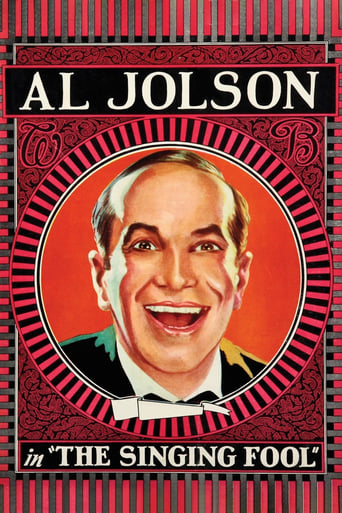
Titles linked here include The Singing Fool (1928), The Public Enemy (1931).
When was Robert Emmett O'Connor born and when did he die?
Born March 18, 1885; died September 9, 1962.
What awards did Robert Emmett O'Connor win?
Robert Emmett O'Connor did not receive major industry awards or nominations during his career, which was common for character actors of his era. Despite appearing in over 200 films and working with Hollywood's biggest stars, he never received Academy Award recognition. His legacy instead lies in his consistent performances and contributions to establishing character archetypes in American cinema rather than formal accolades.
What was Robert Emmett O'Connor's acting style?
Robert Emmett O'Connor was known for his naturalistic, no-nonsense acting style that brought authenticity to his character roles. He specialized in portraying working-class figures with a distinctive gruff exterior but often revealed underlying warmth and humanity. His direct delivery and authoritative presence made him particularly effective in gangster films and urban dramas, while his ability to convey complex emotions through subtle expressions helped him transition successfully from silent films to talkies.