
Huntley Gordon
Actor
Born: October 8, 1887 in Montreal, Quebec, Canada Died: December 7, 1956 Active: 1915-1949
Films
3 films
About Huntley Gordon
Canadian-born actor who enjoyed a prolific career spanning over three decades in American cinema. Born in Montreal, Quebec, he began his entertainment career on the stage before making the transition to silent films in the mid-1910s. Gordon quickly established himself as a reliable character actor, often cast as aristocrats, businessmen, and authority figures due to his tall stature, commanding presence, and refined demeanor. Throughout the silent era, he appeared in dozens of films, working with prominent stars of the day and demonstrating remarkable versatility across various genres. Unlike many silent film stars whose careers ended with the advent of sound, Gordon successfully made the transition to talkies, adapting his theatrical training to the new medium. His film career continued through the 1930s and 1940s, though his roles gradually became smaller as he aged, eventually shifting from leading man to character actor. Gordon's final film appearances came in the late 1940s, marking the end of a remarkable journey from the silent era's golden age through the classical Hollywood period.
The Craft
On Screen
Huntley Gordon was known for his dignified, patrician presence and refined acting style that suited both stage and screen. He employed a classical approach to performance, drawing from his theatrical background to deliver controlled, measured performances that emphasized poise and authority. His tall stature and commanding voice made him particularly effective in roles requiring gravitas and sophistication. In silent films, he mastered the art of expressive subtlety, using minimal gestures and facial expressions to convey complex emotions. As sound films emerged, his clear diction and theatrical training allowed him to adapt seamlessly, delivering dialogue with precision and authority. Gordon's style was characterized by its restraint and elegance, never descending to melodrama even in the most dramatic scenes.
Milestones
- Stage career before entering films
- Successful transition from silent films to talkies
- Leading man status in the 1920s
- Character actor roles in the 1930s-1940s
- Over 150 film appearances throughout his career
Best Known For
Iconic Roles
Must-See Films
Accolades
Special Recognition
- Star on the Hollywood Walk of Fame
Working Relationships
Worked Often With
Studios
Why They Matter
Impact on Culture
Huntley Gordon's career represents the successful navigation of. His ability to transition from silent films to talkies demonstrated the adaptability required of actors during this technological revolution. As a Canadian who achieved success in Hollywood, Gordon was part of the international influx of talent that helped establish American cinema's global dominance. His consistent portrayal of authority figures and aristocratic characters helped shape the visual language of American cinema, contributing to the archetypes that would define Hollywood's golden age. Gordon's career longevity, spanning from the silent era through the classical Hollywood period, made him a living bridge between these distinct cinematic epochs.
Lasting Legacy
Huntley Gordon's legacy lies in his versatility and longevity as an actor who successfully adapted to the dramatic changes in cinema during his lifetime. His filmography serves as a valuable record of the evolution of American cinema from the silent era through the golden age of Hollywood. As a character actor who appeared in over 150 films, Gordon contributed to numerous significant productions, often providing the dignified counterpoint to more flamboyant leading performances. His successful transition to sound films serves as a case study in adaptability for film historians studying this transitional period. Today, Gordon is remembered by film scholars and classic cinema enthusiasts as a reliable performer who brought consistency and professionalism to every role, regardless of its size.
Who They Inspired
Huntley Gordon influenced subsequent generations of character actors through his demonstration of how to build a sustainable career in Hollywood through adaptability and professionalism. His approach to character development—bringing depth and dignity to supporting roles—set a standard for character actors who followed. His successful navigation of the silent-to-sound transition provided a model for other actors facing similar technological changes in the industry. Gordon's work ethic and reliability influenced the Hollywood studio system's approach to casting character actors, demonstrating the value of dependable performers who could elevate any production through consistent quality.
Off Screen
Huntley Gordon led a relatively private personal life despite his public career. He married actress Vera Reynolds in 1926, though their marriage ended in divorce. Later in life, he married actress Mary Carr in 1935, with whom he remained until his death. Gordon was known among his colleagues as a professional and reliable actor who maintained good relationships within the Hollywood community. He was respected for his work ethic and dedication to his craft, often taking on multiple projects simultaneously during the height of his career. In his later years, Gordon largely stepped away from the public eye, focusing on his personal life and enjoying retirement from the film industry.
Education
Educated in Montreal, Canada; received theatrical training before entering the film industry
Family
- Vera Reynolds (1926-1933)
- Mary Carr (1935-1956)
Did You Know?
- Was born in Montreal, Canada, making him one of the early Canadian actors to achieve success in Hollywood
- Began his career as a stage actor before transitioning to films
- Made over 150 film appearances throughout his 34-year career
- Successfully transitioned from silent films to talkies, unlike many of his contemporaries
- Often played authority figures due to his tall stature and dignified demeanor
- Worked with some of the biggest stars of the silent era, including Mary Pickford and John Gilbert
- Appeared in the early sound film 'The Love Parade' (1929) starring Maurice Chevalier and Jeanette MacDonald
- His final film appearance was in 1949, marking the end of a career that spanned three decades
- Was married to two actresses, Vera Reynolds and Mary Carr
- Received a star on the Hollywood Walk of Fame for his contributions to the film industry
In Their Own Words
The transition from silent pictures to talkies wasn't as difficult for those of us with stage training. We were already used to using our voices.
In Hollywood, reliability is as important as talent. The directors need to know they can count on you.
Every role, no matter how small, deserves the same preparation and respect. The audience deserves nothing less.
Frequently Asked Questions
Who was Huntley Gordon?
Canadian-born American with credits in this catalog. He appeared in over 150 films between 1915 and 1949, often playing aristocratic characters and authority figures due to his dignified presence and commanding demeanor.
What films is Huntley Gordon best known for?
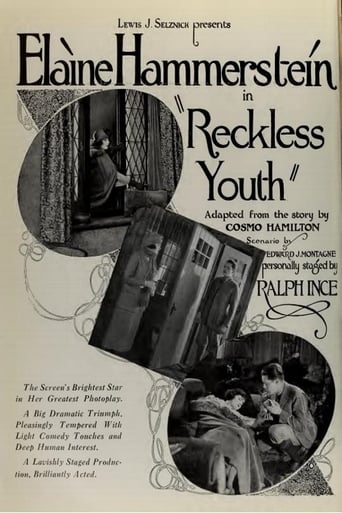
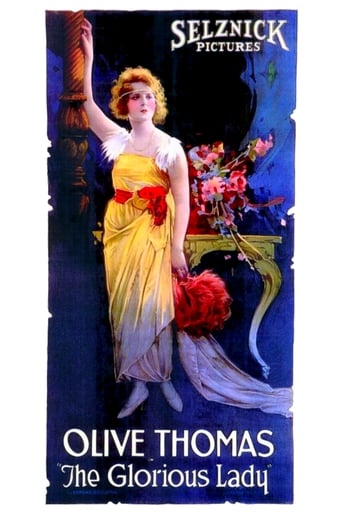
Titles linked here include The Glorious Lady (1919), Reckless Youth (1922).
When was Huntley Gordon born and when did he die?
Born October 8, 1887; died December 7, 1956.
What awards did Huntley Gordon win?
While Huntley Gordon did not receive major acting awards during his career, he was honored with a star on the Hollywood Walk of Fame for his significant contributions to the film industry. His recognition came primarily through his consistent work and longevity in the business.
What was Huntley Gordon's acting style?
Gordon was known for his dignified, classical acting style characterized by restraint and elegance. Drawing from his theatrical background, he delivered controlled performances with precise diction and measured gestures, making him particularly effective in roles requiring authority and sophistication.