
Johnny Mack Brown
Actor
Born: September 1, 1904 in Dothan, Alabama, USA Died: November 14, 1974 Active: 1927-1966 Birth Name: John Mack Brown
Films
7 films


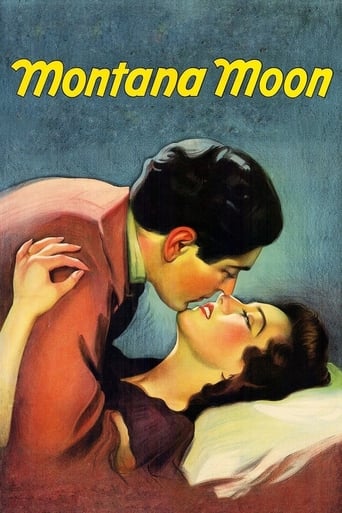
About Johnny Mack Brown
American football star who transitioned into one of Hollywood's most prolific actors, particularly known for his Western films. After a college football career at the University of Alabama where he earned All-American honors, he was discovered by Hollywood talent scouts and signed with MGM in 1927. His early career saw him cast as a romantic leading man opposite stars like Joan Crawford and Greta Garbo in silent films such as 'Our Dancing Daughters' and 'A Woman of Affairs.' With the advent of sound, Brown's career initially faltered at MGM, but he reinvented himself as a cowboy hero in B-movie Westerns during the 1930s and 1940s, becoming one of the genre's most reliable stars. Johnny appears in over 160 films throughout his career, with his Western phase being his most commercially successful period. Brown retired from acting in the mid-1960s after a career spanning nearly four decades, leaving behind a legacy as both a silent-era romantic lead and a cowboy icon.
The Craft
On Screen
Brown's early acting style was characterized by his athletic, youthful charm and romantic appeal, typical of leading men in late silent films. He possessed a natural, unforced screen presence that worked well in both dramatic and light-hearted roles. In his Western phase, he developed a straightforward, no-nonsense persona that resonated with audiences, emphasizing authenticity over theatricality. His athletic background contributed to his convincing physical performances, particularly in action sequences.
Milestones
- Signed with MGM in 1927 as a romantic leading man
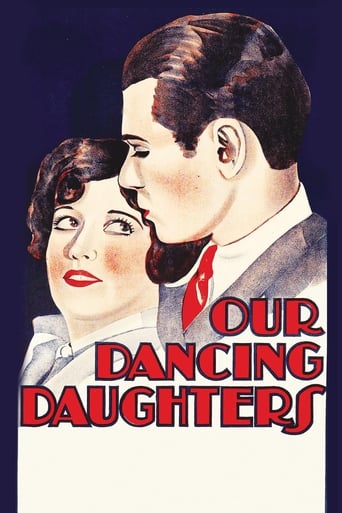
- Starred opposite Joan Crawford in 'Our Dancing Daughters' (1928)
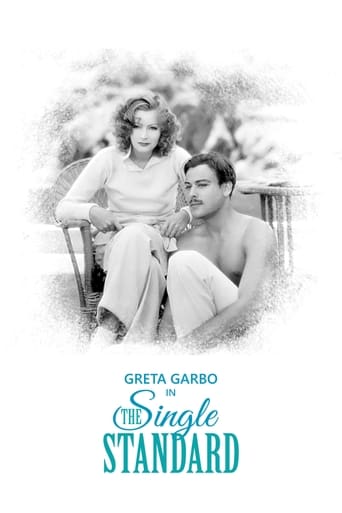
- Appeared with Greta Garbo in 'A Woman of Affairs' (1928)
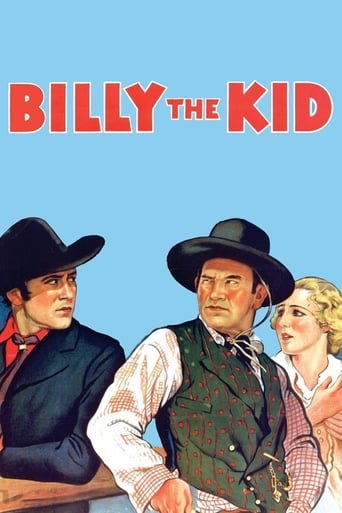
- Transitioned successfully to Western films in the 1930s
- Starred in over 160 films during his career
- Became
- Received a star on the Hollywood Walk of Fame
Best Known For
Iconic Roles
Must-See Films
Accolades
Won
- Hollywood Walk of Fame Star (1960)
Special Recognition
- Inducted into the Alabama Sports Hall of Fame (1971)
- Inducted into the College Football Hall of Fame (1957)
- Western Heritage Awards (multiple recognitions)
Working Relationships
Worked Often With
Studios
Why They Matter
Impact on Culture
Johnny Mack Brown represented the transition from silent film romantic leads to the sound era's specialization in genre films. His early work with MGM showcased the glamour and sophistication of late 1920s Hollywood, while his later Western career embodied the populist appeal of B-movies during the Great Depression and World War II years. He helped establish many conventions of the Western genre that would influence subsequent generations of cowboy actors.
Lasting Legacy
Brown's legacy spans two distinct eras of Hollywood history: the golden age of silent cinema and the golden age of Western films. As a romantic lead, he worked with some of the biggest stars of his era, including Joan Crawford and Greta Garbo. As a Western star, he appeared in more films than many of his more famous contemporaries, becoming a household name among fans of cowboy movies. His career demonstrates the adaptability required of actors during Hollywood's transition from silent to sound films and the subsequent specialization in genre films.
Who They Inspired
Brown influenced countless B-Western actors who followed, demonstrating that success could be found in genre films outside the major studio system. His athletic approach to action sequences set a standard for physical authenticity in Westerns. Many later Western stars, including Roy Rogers and Gene Autry, followed the blueprint Brown helped establish for combining action, romance, and musical elements in Western films.
Off Screen
Johnny Mack Brown married Cornelia 'Connie' Foster in 1926, and their marriage lasted until his death in 1974. The couple had four children together: Sally, Jane, John, and James. Brown was known for his stable family life in an era when Hollywood scandals were common. After retiring from acting, he lived quietly in Woodland Hills, California, focusing on his family and investments. He maintained his connection to his football roots throughout his life and was proud of his athletic achievements.
Education
University of Alabama (attended, played football 1923-1925)
Family
- Cornelia 'Connie' Foster (1926-1974)
Did You Know?
- He was nicknamed 'The Dothan Antelope' during his football career at Alabama
- He was discovered after appearing on a Wheaties cereal box in 1924
- He was considered for the role of Tarzan before Johnny Weissmuller was cast
- He turned down the lead in 'The Big Trail' (1930), which made John Wayne a star
- He earned more money as a Western star than he ever did at MGM
- He was a close friend of fellow football star-turned-actor Chuck Connors
- His films were so popular in rural areas that theaters would sometimes run them for weeks
- He was one of the few actors to successfully transition from A-list romantic lead to B-Western star
- He appeared in more films than John Wayne, though with less critical acclaim
- His daughter Jane Brown became a successful television producer
In Their Own Words
I was never a great actor, but I was a hard worker and audiences seemed to like me.
Football taught me discipline and how to take a fall - both useful in movie making.
I never minded being a B-picture star. The money was good and the work was steady.
Working with Garbo was intimidating, but she was always professional and kind to me.
Frequently Asked Questions
Who was Johnny Mack Brown?
American with credits in this catalog.
What films is Johnny Mack Brown best known for?
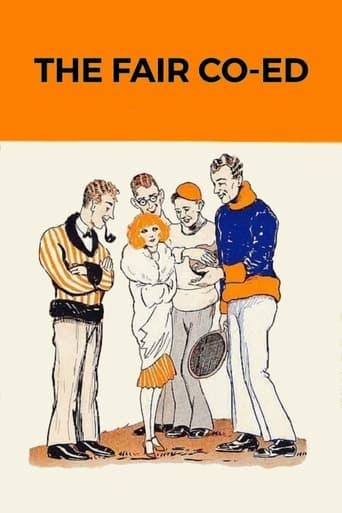
Titles linked here include Our Dancing Daughters (1928), A Woman of Affairs (1928).
When was Johnny Mack Brown born and when did he die?
Born September 1, 1904; died November 14, 1974.
What awards did Johnny Mack Brown win?
Brown received a star on the Hollywood Walk of Fame in 1960 and was inducted into both the College Football Hall of Fame (1957) and the Alabama Sports Hall of Fame (1971), recognizing his athletic achievements alongside his acting career.
What was Johnny Mack Brown's acting style?
Brown's early acting style featured athletic charm and natural romantic appeal suited for silent films, while his Western persona emphasized straightforward, authentic performances with convincing physical action, reflecting his athletic background and appealing to audiences seeking reliable cowboy heroes.