
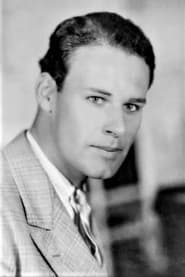
Lane Chandler
Actor
Born: June 4, 1899 in Culbertson, Montana, USA Died: September 14, 1972 Active: 1927-1966 Birth Name: Robert Chandler Oakes
Films
2 films
About Lane Chandler
Lane Chandler, born Robert Chandler Oakes, was a prolific American character actor who became a familiar face in Hollywood Westerns and serials from the silent era through the 1960s. Standing at an impressive 6'2" with a rugged appearance, he transitioned successfully from silent films to talkies, appearing in over 300 productions throughout his career. After serving in World War I, he began his film career in the late 1920s, quickly establishing himself as a reliable supporting actor in Westerns. Chandler worked extensively with major studios including Universal, Republic Pictures, and Columbia Pictures, often playing villains, sheriffs, or ranch foremen. Lane appears alongside many of Hollywood's biggest stars, including John Wayne, Greta Garbo, and Roy Rogers. His nearly four decades, and he successfully transitioned to television in the 1950s, appearing in popular Western series. Chandler retired from acting in the mid-1960s after more than 300 Western and serial credits alongside John Wayne and Roy Rogers.
The Craft
On Screen
Lane Chandler was known for his commanding screen presence and naturalistic acting style, particularly suited for Western roles. He brought authenticity to his portrayals of lawmen, villains, and ranchers through his tall stature and rugged demeanor. His acting approach was straightforward and believable, avoiding theatricality even in his early silent film work. Chandler had a distinctive voice that translated well to talkies, and he excelled at delivering dialogue with a natural, unforced quality that made his characters credible.
Milestones
- Appeared in over 300 films and television shows
- Transitioned successfully from silent films to talkies
- Became a familiar face in Republic Pictures Westerns
- Worked with John Wayne in multiple films including 'Sagebrush Trail'
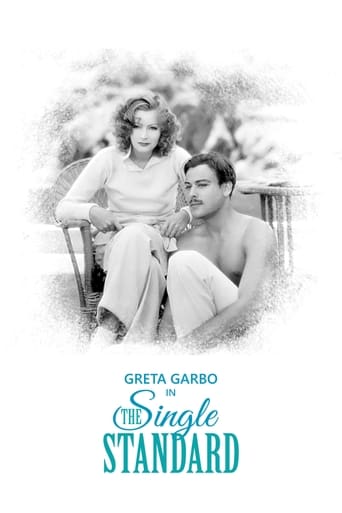
- Appeared in Greta Garbo's 'The Single Standard'
- Prolific career in film serials during the 1930s-1940s
- Successful transition to television Westerns in the 1950s
Best Known For
Iconic Roles
Must-See Films
Accolades
Special Recognition
- Recognized as
Working Relationships
Worked Often With
Studios
Why They Matter
Impact on Culture
Lane Chandler contributed significantly to the Western genre's golden era, helping establish many of the archetypal characters that would define the genre. His consistent performances across hundreds of films provided stability and familiarity to audiences during Hollywood's formative years. Chandler's work in serials helped popularize the format and influenced later television Western programming. His ability to seamlessly transition between hero and villain roles demonstrated the versatility required of character actors in studio system Hollywood.
Lasting Legacy
Lane Chandler's legacy lies in his remarkable contribution to the Western genre and film serials, where he appeared in more productions than many leading stars. His face became synonymous with the classic Hollywood Western, and his work serves as a valuable record of the genre's evolution from silent films through the golden age of television Westerns. Film historians and Western enthusiasts continue to recognize his importance in shaping the visual language of American Western cinema.
Who They Inspired
Chandler influenced subsequent generations of character actors through his professionalism and versatility. His ability to play both heroic and villainous roles authentically set a standard for supporting actors in Westerns. Many later television Western actors drew inspiration from the character types Chandler helped establish during the studio era.
Off Screen
Lane Chandler was married twice during his lifetime. He served in the United States Army during World War I before pursuing his acting career. Despite his extensive filmography, Chandler maintained a relatively private personal life away from the Hollywood spotlight. He lived in Los Angeles for most of his adult life and remained active in the film industry until his retirement.
Education
Limited formal education; served in military before acting career
Family
- Verna Bigelow (1924-1940)
- Doris Langley (1941-1972)
Did You Know?
- Changed his name from Robert Chandler Oakes to Lane Chandler early in his career
- Stood 6'2" tall, making him an imposing figure in Westerns
- Served in the U.S. Army during World War I before his acting career
- Appeared in over 300 films and television shows during his 40-year career
- Was a favorite of Republic Pictures for their Western productions
- Often worked without on-screen billing in many of his early film roles
- Successfully transitioned from silent films to talkies without losing momentum
- Appeared in multiple film serials, a popular format of the 1930s-40s
- Worked with virtually every major Western star of his era
- Retired from acting in 1966 after a long and prolific career
Frequently Asked Questions
Who was Lane Chandler?
Prolific American character with credits in this catalog. Born Robert Chandler Oakes, he appeared in over 300 productions from the 1920s through the 1960s, often playing sheriffs, villains, and ranchers alongside stars like John Wayne and Roy Rogers.
What films is Lane Chandler best known for?
Titles linked here include The Single Standard (1929), Sagebrush Trail (1933).
When was Lane Chandler born and when did he die?
Born June 4, 1899; died September 14, 1972.
What awards did Lane Chandler win?
While Lane Chandler did not receive major industry awards like Academy Awards, he was recognized within the industry as one of Hollywood's most reliable and prolific character actors. His legacy is honored through the continued appreciation of his extensive body of work in Western cinema.
What was Lane Chandler's acting style?
Chandler was known for his naturalistic and straightforward acting style, bringing authenticity to his Western roles through his commanding 6'2" stature and rugged demeanor. He excelled at creating believable characters without theatricality, making him particularly effective in both heroic and villainous supporting roles.