
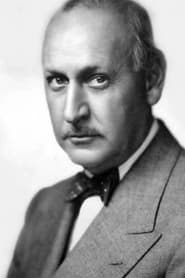
John S. Robertson
Director
Born: June 14, 1878 in London, Ontario, Canada Died: November 5, 1964 Active: 1915-1935 Birth Name: John Stuart Robertson
Films
4 films
About John S. Robertson
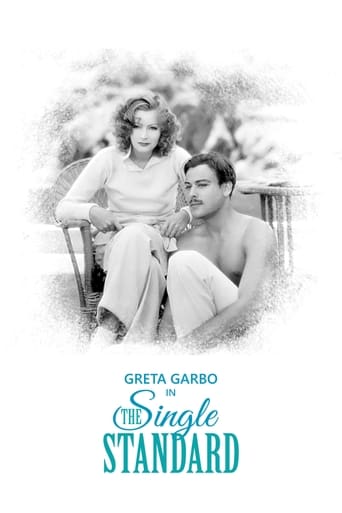
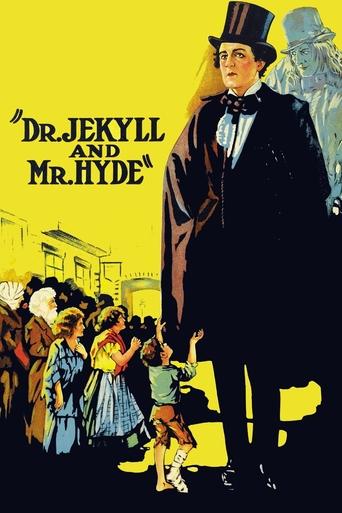
Prominent Canadian-American film director who rose to prominence during Hollywood's silent era, establishing himself as reliable directors at Famous Players-Lasky Corporation (later Paramount Pictures). Born in London, Ontario, Robertson began his career as an actor before transitioning to directing in 1915, quickly gaining recognition for his ability to extract powerful performances from his actors and his sophisticated visual storytelling techniques. His career reached its zenith with the 1920 adaptation of 'Dr. Jekyll and Mr. Hyde' starring John Barrymore, which showcased his mastery of psychological horror and atmospheric direction. Throughout the 1920s, Robertson became known as a director who could successfully work with Hollywood's biggest stars, including Mary Pickford, with whom he made the highly successful 'Tess of the Storm Country' in 1922. He demonstrated remarkable adaptability during the transition to sound films, directing Greta Garbo in one of her early talking pictures, 'The Single Standard' in 1929. Over his career, Robertson directed more than 60 films, earning a reputation for his meticulous attention to detail, psychological depth, and ability to create compelling visual narratives that enhanced the performances of his leading actors. His influence extended beyond his own films, as he helped establish many of the visual and narrative techniques that would become standard in American cinema.
The Craft
Behind the Camera
Robertson's directing style was characterized by its psychological depth and sophisticated visual composition. He excelled at creating atmospheric settings through masterful use of lighting and shadow, particularly evident in his horror and dramatic works. His approach emphasized the internal struggles of characters, using visual metaphors and careful framing to reveal psychological states. Robertson was known for his meticulous attention to detail and his ability to guide actors to nuanced, emotionally complex performances. He had a particular talent for handling themes of duality and transformation, as demonstrated in 'Dr. Jekyll and Mr. Hyde,' where he used visual techniques to externalize the character's internal conflict. His direction often featured careful pacing that built tension gradually, and he was adept at using the limitations of silent film technology to create powerful emotional narratives through visual storytelling rather than relying on intertitles.
Milestones
- Directed the landmark silent horror film 'Dr. Jekyll and Mr. Hyde' (1920)
- Collaborated with Mary Pickford on the successful 'Tess of the Storm Country' (1922)
- Directed Greta Garbo in her early sound film 'The Single Standard' (1929)
- Made a successful transition from silent to sound films
- Worked with many of Hollywood's biggest stars including John Barrymore, Mary Pickford, and Greta Garbo
- Directed over 60 films during his 20-year career
Best Known For
Must-See Films
Accolades
Won
- Photoplay Magazine Medal of Honor for 'Dr. Jekyll and Mr. Hyde' (1920)
Nominated
- Academy Award nomination for Best Director for 'The Enchanted Cottage' (1924)
Special Recognition
- Star on the Hollywood Walk of Fame
- Inducted into the Canadian Film Hall of Fame
Working Relationships
Worked Often With
Studios
Why They Matter
Impact on Culture
John S. Robertson's impact on cinema extends beyond his individual films to the techniques and approaches he helped popularize during Hollywood's formative years. His 1920 adaptation of 'Dr. Jekyll and Mr. Hyde' established many conventions for psychological horror cinema that would influence filmmakers for decades, particularly in its use of visual transformation sequences and atmospheric lighting to externalize internal conflict. Robertson's work with major stars like Mary Pickford and John Barrymore helped define the star system that characterized Hollywood's golden age, demonstrating how directors could enhance rather than overshadow star performances. His successful transition from silent to sound films provided a model for other directors facing the technological revolution of the late 1920s. Robertson's emphasis on psychological depth and visual storytelling contributed to the evolution of cinema from spectacle to sophisticated narrative art form, influencing generations of filmmakers who followed.
Lasting Legacy
John S. Robertson's legacy in film history is that of a craftsman director who helped establish the visual and narrative language of Hollywood cinema during its most formative period. While not as widely remembered today as some of his contemporaries, his films, particularly 'Dr. Jekyll and Mr. Hyde,' remain important examples of silent era artistry and continue to be studied by film scholars and enthusiasts. Robertson's ability to work effectively across genres—from horror to romance to drama—demonstrated the versatility required of studio directors during Hollywood's golden age. His collaboration with his wife Josephine Lovett represented one of the early successful husband-wife creative partnerships in Hollywood, paving the way for future such collaborations. The preservation and restoration of his major works have allowed new generations to appreciate his contributions to cinema, and his films are frequently featured in retrospectives of silent era cinema at film festivals and museums worldwide.
Who They Inspired
Robertson's influence on other directors was primarily through his technical innovations and his approach to psychological storytelling. His use of lighting and shadow to create atmosphere influenced the development of film noir in the 1940s and 1950s. Directors like James Whale and Tod Browning, who became famous for their horror films in the early sound era, built upon the visual techniques Robertson pioneered in 'Dr. Jekyll and Mr. Hyde.' His collaborative approach with actors, particularly his ability to guide stars to nuanced performances without overshadowing them, became a model for studio directors throughout Hollywood's golden age. Robertson's successful navigation of the transition from silent to sound films provided a blueprint for other directors facing similar technological challenges. Contemporary directors who work in psychological horror continue to draw inspiration from Robertson's approach to visualizing internal conflict and creating atmosphere through cinematography rather than explicit content.
Off Screen
John S. Robertson married screenwriter Josephine Lovett in 1922, with whom he collaborated on several films including 'The Enchanted Cottage.' Their professional partnership was highly successful, with Lovett often adapting or writing screenplays for Robertson's productions. The couple had one child together, a daughter named Barbara. Robertson was known in Hollywood circles as a quiet, professional director who preferred to stay out of the spotlight, focusing instead on his craft. After retiring from filmmaking in the mid-1930s, he lived a relatively private life in California, occasionally consulting on film projects but largely staying away from the industry he had helped shape during its golden age.
Education
Attended the University of Toronto before moving to the United States to pursue a career in entertainment
Family
- Josephine Lovett (1922-1964)
Did You Know?
- Robertson began his career as an actor, appearing in over 40 films before transitioning to directing
- His version of 'Dr. Jekyll and Mr. Hyde' was so successful that it was remade multiple times, including a 1931 version starring Fredric March
- Robertson was one of the few directors who successfully made the transition from silent films to talkies without a significant decline in quality
- He often worked with his wife Josephine Lovett, who wrote or adapted many of his screenplays
- Robertson was known for his meticulous preparation, often spending months researching and planning before beginning production
- Despite his success, Robertson was notoriously camera-shy and rarely gave interviews or appeared in public
- His film 'The Enchanted Cottage' (1924) was remade in 1945 with Dorothy McGuire and Robert Young
- Robertson was one of the founding members of the Academy of Motion Picture Arts and Sciences
- He directed the first film adaptation of 'The Great Gatsby' in 1926, which is now considered lost
- Robertson's films were particularly popular with critics for their psychological depth and sophisticated themes
In Their Own Words
The camera is not merely a recording device, but a window into the human soul
In silent film, the director must be a poet of images rather than a writer of words
The greatest challenge in directing is not what you show, but what you choose not to show
Working with stars requires knowing when to lead and when to follow their instincts
Frequently Asked Questions
Who was John S. Robertson?
Prominent Canadian-American on YTB.my. He directed over 60 films between 1915 and 1935, working with many of the biggest stars of the era including Mary Pickford, John Barrymore, and Greta Garbo. He is best known for his 1920 adaptation of 'Dr. Jekyll and Mr. Hyde' starring John Barrymore.
What films is John S. Robertson best known for?
Titles linked here include Dr. Jekyll and Mr. Hyde (1920), Tess of the Storm Country (1922).
When was John S. Robertson born and when did he die?
Born June 14, 1878; died November 5, 1964.
What awards did John S. Robertson win?
Robertson received the Photoplay Magazine Medal of Honor for 'Dr. Jekyll and Mr. Hyde' in 1920 and was nominated for an Academy Award for Best Director for 'The Enchanted Cottage' in 1924. He also received a star on the Hollywood Walk of Fame and was posthumously inducted into the Canadian Film Hall of Fame.
What was John S. Robertson's directing style?
Robertson's directing style emphasized psychological depth, atmospheric lighting, and sophisticated visual composition. He excelled at creating mood through shadow and light, particularly in horror and dramatic films. His approach focused on revealing characters' internal states through visual metaphors and careful framing rather than relying on dialogue or intertitles.