
Mahlon Hamilton
Actor
Born: March 15, 1880 in Baltimore, Maryland, USA Died: June 20, 1960 Active: 1914-1938 Birth Name: Mahlon Preston Hamilton
Films
4 films
About Mahlon Hamilton
Character actor who flourished during the silent film era and successfully transitioned into early sound cinema. Born in Baltimore, Maryland, he began his acting career on the legitimate stage before making his film debut in the mid-1910s. Hamilton quickly established himself as a reliable supporting player, often cast as aristocratic gentlemen, authoritative figures, or romantic interests opposite leading actresses. His the pivotal period when Hollywood evolved from silent films to talkies, demonstrating his adaptability and lasting appeal. Throughout the 1920s, he appeared in numerous productions for major studios, working alongside some of the era's biggest stars. While never achieving leading man status, Hamilton's dignified presence and consistent performances made him a valuable character actor throughout his career. He continued working in films through the 1930s, eventually retiring from acting as his type of refined gentleman character became less prevalent in changing Hollywood tastes.
The Craft
On Screen
Hamilton specialized in portraying refined, dignified characters with a gentlemanly demeanor. His acting style was characterized by a stage-trained precision and formal bearing that translated well to the silent era's exaggerated performance requirements. He excelled at conveying authority and sophistication through subtle gestures and facial expressions, making him ideal for roles as bankers, doctors, judges, and wealthy socialites. His transition to sound films was seamless due to his clear diction and theatrical training, allowing him to maintain his career during Hollywood's technological revolution.
Milestones
- Successful transition from silent films to talkies
- Consistent character actor work across multiple major studios
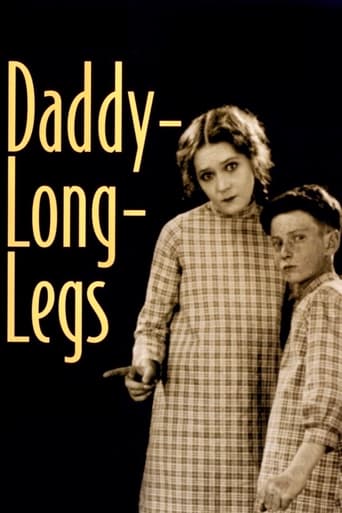
- Notable supporting role in 'Daddy-Long-Legs' (1919) starring Mary Pickford
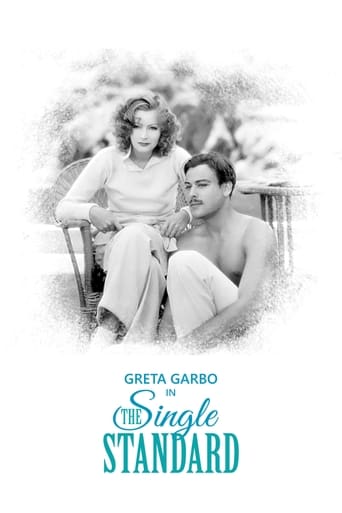
- Appearance in early sound film 'The Single Standard' (1929) with Greta Garbo
- Stage background before entering films
- Career spanning over two decades in early Hollywood
Best Known For
Iconic Roles
Must-See Films
Working Relationships
Worked Often With
Studios
Why They Matter
Impact on Culture
Mahlon Hamilton represents the archetype of the reliable character actor who helped establish the foundation of Hollywood's studio system. His career trajectory from stage to silent film to sound cinema mirrors the evolution of the American film industry itself. As a consistent presence in numerous productions, he contributed to the development of the supporting actor's role in narrative cinema, helping create the template for character actors who would follow. His ability to transition successfully between mediums demonstrated the adaptability required of actors during this revolutionary period in film history.
Lasting Legacy
Hamilton's legacy lies in his body of work that spans the most transformative decades in cinema history. While not a household name like many of his co-stars, his performances in classic films of the 1920s continue to be studied by film historians and silent cinema enthusiasts. He exemplifies the journey of countless character actors whose steady, professional work provided the essential foundation upon which star-driven productions were built. His filmography serves as a valuable record of the types of characters and stories that captivated audiences during Hollywood's formative years.
Who They Inspired
As a character actor, Hamilton influenced subsequent generations of supporting players by demonstrating the importance of reliability and professionalism in building a lasting career. His ability to adapt his stage-trained techniques to the demands of both silent and sound cinema provided a model for other actors facing similar transitions. His dignified portrayal of authority figures helped establish archetypes that would be refined and referenced by character actors throughout Hollywood's golden age.
Off Screen
Mahlon Hamilton maintained a relatively private personal life away from the Hollywood spotlight. He was married to actress Evelyn Selbie, with whom he sometimes shared the screen. The couple remained married throughout Hamilton's film career, providing stability during the often tumultuous early Hollywood years. Unlike many of his contemporaries, Hamilton avoided scandal and maintained a reputation for professionalism both on and off set. After retiring from films, he lived a quiet life away from the entertainment industry until his death in 1960 at the age of 80.
Education
Educated in Baltimore, with formal theatrical training before entering films
Family
- Evelyn Selbie (1915-1960, his death)
Did You Know?
- Began his career on the legitimate stage before transitioning to films
- Was married to fellow actress Evelyn Selbie for over 45 years until his death
- Appeared in films with three of the biggest female stars of the era: Mary Pickford, Marion Davies, and Greta Garbo
- His active years covered both World Wars, covering the most significant period of change in cinema history
- Never received top billing but appeared in over 80 films during his career
- Was part of the transition generation of actors who successfully made the leap from silent to sound films
- Often typecast as wealthy or professional men due to his appearance and bearing
- Retired from acting in the late 1930s as his type of character became less popular with changing audience tastes
Frequently Asked Questions
Who was Mahlon Hamilton?
American character with credits in this catalog.
What films is Mahlon Hamilton best known for?
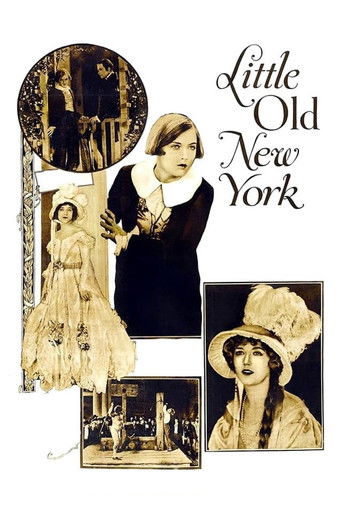
Titles linked here include Daddy-Long-Legs (1919), Little Old New York (1923).
When was Mahlon Hamilton born and when did he die?
Born March 15, 1880; died June 20, 1960.
What awards did Mahlon Hamilton win?
Mahlon Hamilton did not receive major industry awards or nominations during his career, which was typical for character actors of his era who rarely received the recognition given to leading stars.
What was Mahlon Hamilton's acting style?
Hamilton specialized in portraying refined, dignified characters with a gentlemanly demeanor, using his stage training to convey authority and sophistication through subtle gestures and clear diction that served him well in both silent and sound films.