
James Flavin
Actor
Born: May 14, 1906 in Portland, Maine, USA Died: April 23, 1976 Active: 1932-1976 Birth Name: James William Flavin
Films
3 films
About James Flavin
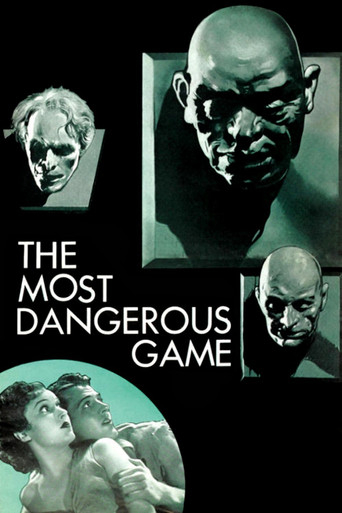
James William Flavin was born on May 14, 1906, in Portland, Maine, and would become one of Hollywood's most prolific character actors during the Golden Age of cinema. After serving in the United States Army, he began his acting career in the early 1930s, making his film debut in the classic thriller 'The Most Dangerous Game' (1932). Flavin quickly established himself as a reliable supporting player, appearing in over 400 films throughout his four-decade career, often cast as police officers, military personnel, and other authority figures due to his commanding presence and distinctive voice. He worked consistently through the 1930s and 1940s, appearing in numerous major productions alongside Hollywood's biggest stars including James Cagney, Humphrey Bogart, and Cary Grant. Flavin was particularly active during the war years, when his military bearing made him a natural choice for military roles. In the 1950s and 1960s, he successfully transitioned to television, appearing in popular series while continuing his film work. His remarkable from the early sound era through the classical Hollywood period, making him recognizable faces in American cinema until his death in 1976.
The Craft
On Screen
Flavin was known for his authoritative presence and distinctive voice, which made him perfect for playing authority figures. He had a natural, understated acting style that brought authenticity to his roles as police officers, military personnel, and government officials. His ability to deliver lines with conviction and his imposing physical presence made him a reliable choice for directors needing convincing authority figures. Flavin's performances were characterized by their professionalism and consistency, never overshadowing the leads while always providing solid support.
Milestones
- Film debut in 'The Most Dangerous Game' (1932)
- Appeared in over 400 films throughout his career
- Became one of Hollywood's most recognizable character actors
- Successfully transitioned to television in the 1950s
- Received star on Hollywood Walk of Fame
- Served in US Army before acting career
Best Known For
Iconic Roles
Must-See Films
Accolades
Special Recognition
- Hollywood Walk of Fame star (located at 6321 Hollywood Blvd)
Working Relationships
Worked Often With
Studios
Why They Matter
Impact on Culture
James Flavin's impact on cinema lies in his contribution to the fabric of Hollywood's Golden Age as. His face became familiar to millions of moviegoers through his consistent presence in hundreds of films, helping to create the authentic atmosphere that defined classic Hollywood productions. Flavin's ability to convincingly portray various authority figures made him an essential element in establishing the credibility of countless film narratives, from gangster pictures to war films to noir thrillers. His work exemplified the studio system's approach to supporting actors, where reliability and professionalism were valued as highly as star power.
Lasting Legacy
James Flavin's legacy is that of the quintessential Hollywood character actor who appeared in more films than most people could name but whose face was instantly recognizable. His career represents the backbone of Hollywood's Golden Age - the reliable supporting players who gave major films their depth and authenticity. Flavin's extensive filmography serves as a roadmap through classic American cinema, with appearances in many of the era's most celebrated films. His transition to television demonstrated his adaptability and enduring appeal across different media, while his Hollywood Walk of Fame star ensures his permanent recognition in entertainment history.
Who They Inspired
Flavin influenced subsequent generations of character actors through his demonstration of how to build a successful career through reliability and versatility rather than stardom. His approach to supporting roles showed how actors could make significant contributions to films without being the center of attention. Many later character actors, particularly those specializing in authority figures, followed the path Flavin helped establish of being the go-to performer for specific types of roles. His work ethic and professionalism set standards for supporting actors in both film and television industries.
Off Screen
James Flavin married actress Lucille Gleason in 1932, and they remained together until her death in 1947. He later married actress June Dayton in 1953, with whom he remained until his death. Flavin was known as a dedicated family man and was well-liked in Hollywood circles for his professionalism and amiable personality off-screen. He maintained a relatively private personal life despite his extensive public career.
Education
Attended local schools in Portland, Maine; served in US Army which provided his early life experience before acting career
Family
- Lucille Gleason (1932-1947)
- June Dayton (1953-1976)
Did You Know?
- Appeared in over 400 films, making him one of Hollywood's most prolific actors
- Served in the US Army before beginning his acting career
- Often played police officers and military men due to his authoritative presence
- Appeared in both 'The Maltese Falcon' and 'Casablanca' in 1941-1942
- Was a favorite of director Michael Curtiz, appearing in many of his films
- His distinctive voice made him popular in radio dramas as well as films
- Worked with virtually every major star of Hollywood's Golden Age
- Successfully transitioned to television in the 1950s, appearing in dozens of series
- Was typecast as authority figures but occasionally played against type
- His final film appearance was in 'The Outfit' (1973)
In Their Own Words
As a character actor: 'I'm not the star, but I'm the one who makes the star look good'
On his typecasting: 'If they need a cop or a soldier, they know who to call'
On his career: 'I've probably been arrested by every leading man in Hollywood'
On acting: 'The secret to being a good character actor is knowing when not to steal the scene'
Frequently Asked Questions
Who was James Flavin?
Screen credits include over 400 films during Hollywood's Golden Age. He was known for playing authority figures, particularly police officers and military personnel, and became.
What films is James Flavin best known for?
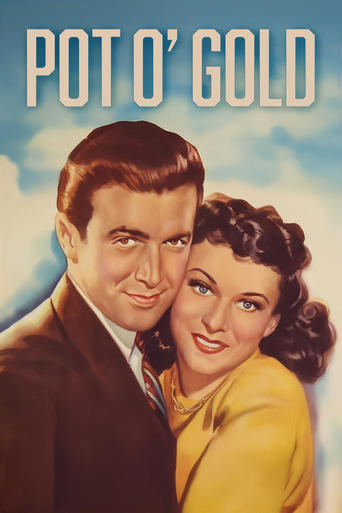
Titles linked here include The Most Dangerous Game (1932), Pot o' Gold (1941).
When was James Flavin born and when did he die?
Born May 14, 1906; died April 23, 1976.
What awards did James Flavin win?
While James Flavin didn't receive major acting awards or Academy Award nominations, he was honored with a star on the Hollywood Walk of Fame at 6321 Hollywood Blvd, recognizing his extensive contributions to the film industry.
What was James Flavin's acting style?
Flavin was known for his authoritative presence and distinctive voice, specializing in playing police officers, military personnel, and other authority figures. His style was natural and understated, bringing authenticity to supporting roles without overshadowing the leading actors.
How many films did James Flavin appear in?
James Flavin appeared in over 400 films throughout his career, making him. His filmography spans from 1932 to 1973, covering the Golden Age of Hollywood and beyond.