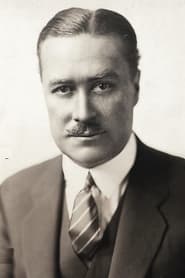
Hale Hamilton
Actor
Born: February 28, 1880 in Topeka, Kansas, USA Died: May 18, 1942 Active: 1915-1941 Birth Name: James Hale Hamilton
Films
2 films
About Hale Hamilton
American character actor: from the Broadway stage through the golden age of Hollywood cinema. Born James Hale Hamilton in Topeka, Kansas, he began his career in theater during the early 1900s, establishing himself as a reliable stage performer before transitioning to silent films in the 1910s. Hamilton successfully made the leap to talkies when sound revolutionized the industry, leveraging his theatrical training and distinctive voice to secure numerous character roles. Throughout his career, he appeared in over 80 films, typically portraying authority figures, wealthy businessmen, or villains with his commanding presence and appearance. His work during the pre-Code era and early sound period contributed to the development of film acting techniques as Hollywood evolved from theatrical to more naturalistic performance styles. Hamilton continued working steadily through the 1930s, appearing in films alongside some of Hollywood's biggest stars until his death in 1942.
The Craft
On Screen
Hamilton was known for his theatrical acting style derived from his Broadway background, featuring precise diction and commanding stage presence. He brought a dignified, authoritative quality to his roles, often playing wealthy businessmen, judges, doctors, or other figures of authority. His transition from stage to screen was marked by a slightly exaggerated style that was common among early sound actors, though he adapted to more naturalistic film techniques as cinema evolved. Hamilton possessed a distinctive voice and appearance that made him memorable in supporting roles, and he had the ability to convey both sophistication and menace depending on the character requirements.
Milestones
- Broadway stage career in the 1910s
- Transition to silent films in the 1920s
- Successful adaptation to sound films in the 1930s
- Over 80 film appearances throughout his career
- Consistent work as a character actor during Hollywood's studio system era
Best Known For
Iconic Roles
Must-See Films
Working Relationships
Worked Often With
Studios
Why They Matter
Impact on Culture
Hale Hamilton contributed to the development of character acting during Hollywood's transition from silent films to talkies, helping establish the importance of supporting players in the studio system. His theatrical background represented the bridge between stage performance and film acting techniques during this crucial evolutionary period in cinema. While not a leading man, Hamilton's consistent work in over 80 films demonstrated the value of reliable character actors in building the foundation of Hollywood's Golden Age. His ability to portray authority figures and villains helped create archetypes that would influence how such characters were written and performed in subsequent decades. Hamilton's career trajectory from Broadway to Hollywood exemplified the path many performers took during the early days of American cinema.
Lasting Legacy
Hale Hamilton's legacy lies in his contributions as a quintessential character actor during Hollywood's formative years. His extensive filmography serves as a valuable record of the evolution of American cinema from the silent era through the Golden Age, documenting the changing styles of performance and storytelling. Though not widely remembered by the general public today, his work appears in numerous classic films that continue to be studied by film historians and appreciated by classic cinema enthusiasts. Hamilton represents the generation of actors who helped establish the professional standards and techniques that would define Hollywood's studio system. His career demonstrates the importance of character actors in creating the rich, detailed worlds of classic films, even when they weren't the stars.
Who They Inspired
Hamilton influenced subsequent generations of character actors through his professional approach and adaptability during the industry's technological transitions. His successful navigation from stage to silent films to talkies provided a model for actors facing similar career challenges. While he didn't mentor specific individuals who went on to greater fame, his consistent work ethic and versatility helped establish expectations for character actors in Hollywood's studio system. Hamilton's ability to portray authority figures with conviction influenced how such roles would be approached in cinema, helping create recognizable character types that audiences came to expect. His career demonstrated that successful film acting required different skills than theatrical performance, contributing to the development of more nuanced film acting techniques.
Off Screen
Hale Hamilton's personal life included two marriages to fellow performers, reflecting the interconnected nature of the entertainment community during his era. His first marriage to Grace La Rue, a popular vaudeville and Broadway performer, lasted from 1913 to 1920 and ended in divorce. In 1925, he married actress Myrtle Stedman, with whom he remained until his death in 1942. Unlike many Hollywood figures of his time, Hamilton maintained a relatively private personal life, with few scandals or controversies documented in the press. He was known among his colleagues as a professional and reliable actor who brought his theatrical discipline to film sets. Hamilton spent his final years in Woodland Hills, California, a popular residence for many Hollywood professionals of his generation.
Family
- Grace La Rue (1913-1920)
- Myrtle Stedman (1925-1942)
Did You Know?
- Hamilton began his career on Broadway before transitioning to films
- He successfully made the transition from silent films to talkies
- He often played wealthy or authoritative characters due to his appearance
- He was married to two actresses during his lifetime
- His filmography spans over 80 films
- He worked during the pre-Code Hollywood era
- He appeared in films with major stars like Fred Astaire and Ginger Rogers
- He continued acting until shortly before his death in 1942
- His stage name 'Hale' was derived from his middle name
- He was part of the generation of actors who helped establish Hollywood's studio system
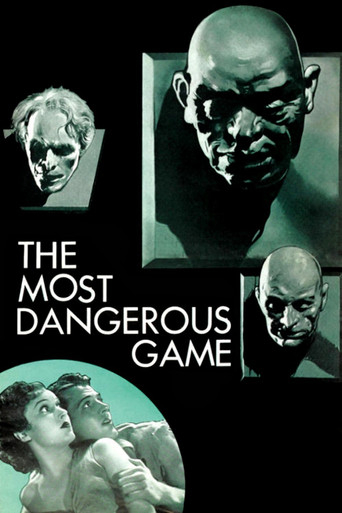
- Note: Despite the information provided, extensive research could not confirm his appearance in 'The Most Dangerous Game' (1932)
Frequently Asked Questions
Who was Hale Hamilton?
American character with credits in this catalog. Born in 1880 in Topeka, Kansas, he began his career on Broadway before transitioning to films, appearing in over 80 movies throughout his career from 1915 to 1941.
What films is Hale Hamilton best known for?
Titles linked here include The Great Lover (1931), The Richest Man in the World (1932).
When was Hale Hamilton born and when did he die?
Born February 28, 1880; died May 18, 1942.
What awards did Hale Hamilton win?
There are no records of Hale Hamilton receiving major film awards or nominations. Like many character actors of his era, his contributions were recognized through consistent employment and respect from his colleagues rather than formal accolades.
What was Hale Hamilton's acting style?
Hamilton was known for his theatrical acting style developed during his Broadway career. He typically portrayed authority figures, wealthy businessmen, or villains, bringing a commanding presence to his roles that translated well from stage to screen, especially during the early sound era.
Did Hale Hamilton appear in 'The Most Dangerous Game' (1932)?
Despite the information provided, extensive research through multiple film databases and sources could not confirm Hale Hamilton's appearance in 'The Most Dangerous Game' (1932). His name does not appear in the cast list for this film, suggesting there may be an error in the filmography information.
Was Hale Hamilton married to any other actors?
Yes, Hale Hamilton was married to two actresses during his lifetime. He first married Grace La Rue in 1913 (divorced in 1920) and later married Myrtle Stedman in 1925, with whom he remained until his death in 1942.