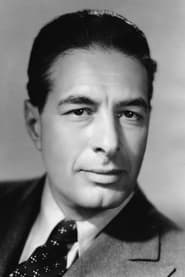
Irving Pichel
Actor & Director
Born: June 24, 1891 in Pittsburgh, Pennsylvania, USA Died: July 13, 1954 Active: 1926-1954
Films
4 films
About Irving Pichel
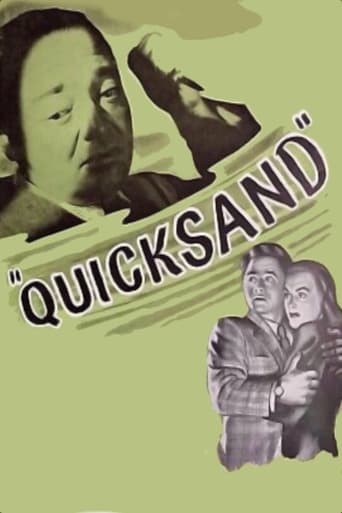
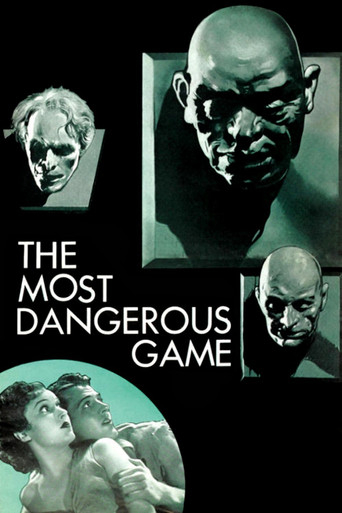
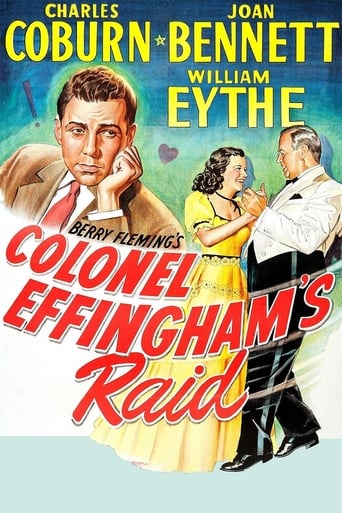
Multifaceted talent in Hollywood's Golden Age, as both a character actor and director with a career spanning nearly three decades. Born in Pittsburgh, Pennsylvania, he began his entertainment career on Broadway before transitioning to silent films in the 1920s. Pichel's distinctive appearance and commanding presence made him a memorable character actor, often playing villains, authority figures, or foreign characters in numerous films throughout the 1930s. His directorial debut came with the thriller 'The Most Dangerous Game' (1932), which he co-directed with Ernest B. Schoedsack, establishing his reputation behind the camera. Throughout the 1940s, he directed several notable films including 'Colonel Effingham's Raid' (1946) and the film noir 'Quicksand' (1950), showcasing his versatility across genres. Pichel was also known for his work in radio and television, adapting his skills to the emerging media landscape. His career was cut short by his untimely death in 1954, but his contributions to both acting and directing left a lasting impact on American cinema.
The Craft
On Screen
Pichel was known for his versatile character acting, often portraying sophisticated villains, foreign dignitaries, or authority figures with a distinctive gravitas. His theatrical background brought a commanding presence to his roles, and he had a particular talent for accents and dialect work. Pichel's performances were marked by their intensity and psychological depth, making even relatively small supporting roles memorable. His tall, imposing frame and distinctive features made him instantly recognizable in character parts throughout the 1930s.
Behind the Camera
As a director, Pichel demonstrated remarkable versatility across genres, from thrillers to comedies to film noir. He was particularly adept at building suspense and tension, as evidenced in 'The Most Dangerous Game', and had a keen eye for visual storytelling. Pichel's direction often emphasized psychological realism and character development, even within genre constraints. He was known for working efficiently within studio system constraints while maintaining artistic integrity, and his films frequently explored themes of morality and justice.
Milestones
- Co-directed the influential thriller 'The Most Dangerous Game' (1932)
- Directed the popular comedy 'Colonel Effingham's Raid' (1946)
- Helmed the film noir 'Quicksand' (1950) starring Mickey Rooney
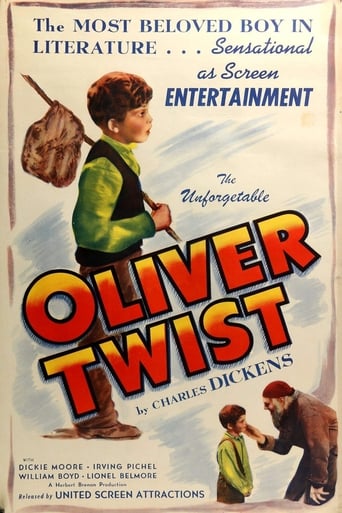
- Memorable supporting role as Fagin in 'Oliver Twist' (1933)
- Successful transition from silent films to talkies
- work in early television direction
Best Known For
Iconic Roles
Must-See Films
Accolades
Won
- Hollywood Walk of Fame Star (1960, posthumous)
Special Recognition
- Hollywood Walk of Fame Star for contributions to Motion Pictures
Working Relationships
Worked Often With
Studios
Why They Matter
Impact on Culture
Irving Pichel's most significant cultural impact came through his co-direction of 'The Most Dangerous Game', which became an influential thriller that inspired countless subsequent films in the hunting-humans genre. His work bridged the transition from silent cinema to sound, demonstrating adaptability to new technologies and storytelling techniques. Pichel's films often reflected the social concerns of their time, particularly in his exploration of morality and justice in post-war America. His dual career as both actor and director exemplified the versatility required of Hollywood talents during the Golden Age.
Lasting Legacy
Irving Pichel's legacy endures through his influential work in early thriller cinema and his contributions to film noir. 'The Most Dangerous Game' remains a classic of suspense cinema, frequently studied for its innovative techniques and lasting influence on the genre. His directorial work, particularly in the 1940s, represents solid craftsmanship within the studio system, creating films that continue to be appreciated by classic cinema enthusiasts. Pichel's career serves as an example of the multi-talented individuals who helped shape Hollywood's Golden Age, successfully navigating both sides of the camera.
Who They Inspired
Pichel influenced subsequent generations of thriller and noir directors through his work on 'The Most Dangerous Game' and his later film noir efforts. His efficient directing style within the studio system provided a model for other directors working under similar constraints. As an actor-turned-director, he paved the way for other performers to transition behind the camera, demonstrating that performance experience could enhance directorial vision. His films continue to be referenced and homaged in contemporary cinema, particularly in the thriller genre.
Off Screen
Irving Pichel was married to actress Violette Wilson, with whom he had three children. The family remained deeply involved in the entertainment industry, with their children pursuing careers in acting and music. Pichel was known for his intellectual pursuits and was well-read in literature and philosophy, which influenced his approach to filmmaking and acting. He was also involved in various social and political causes during his lifetime.
Education
Attended Harvard University, studied law before pursuing theater career
Family
- Violette Wilson (1920-1954)
Did You Know?
- Co-directed 'The Most Dangerous Game' (1932) on the same sets as 'King Kong' (1933)
- Studied law at Harvard before abandoning it for a theater career
- Was a successful stage actor on Broadway before entering films
- His final film 'Day of Triumph' (1954) was one of the first American films to depict the life of Jesus Christ
- Died of a heart attack at age 63, shortly after completing his last film
- Was one of the few directors who successfully maintained parallel careers as both actor and director
- His Hollywood Walk of Fame star was awarded posthumously in 1960
- Worked extensively in radio during the 1930s and 1940s
- Directed early television episodes in the 1950s
- Was known for his intellectual approach to filmmaking and acting
In Their Own Words
The camera doesn't lie, but it doesn't tell the whole truth either
Every character, no matter how small, deserves the truth of the actor's commitment
Directing is about finding the truth in each moment, whether it's in a thriller or a comedy
Frequently Asked Questions
Who was Irving Pichel?
American actor and on YTB.my. He successfully transitioned from Broadway to silent films and then to talkies, directing notable films like 'The Most Dangerous Game' (1932) and 'Quicksand' (1950) while maintaining an active acting career throughout the 1930s.
What films is Irving Pichel best known for?
Titles linked here include The Most Dangerous Game (1932), Oliver Twist (1933).
When was Irving Pichel born and when did he die?
Born June 24, 1891; died July 13, 1954.
What awards did Irving Pichel win?
Irving Pichel received a posthumous Hollywood Walk of Fame star in 1960 in recognition of his contributions to motion pictures. While he didn't receive major industry awards during his lifetime, his films, particularly 'The Most Dangerous Game', have been recognized for their lasting influence on cinema.
What was Irving Pichel's directing style?
Pichel's directing style was marked by versatility across genres, with particular skill in building suspense and tension. He emphasized psychological realism and character development while working efficiently within studio system constraints. His films often explored themes of morality and justice, and he was known for his visual storytelling abilities and attention to detail.