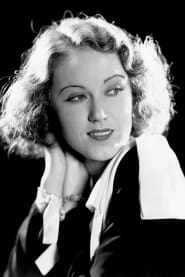
Fay Wray
Actor
Born: September 15, 1907 in Cardston, Alberta, Canada Died: August 8, 2004 Active: 1923-1980 Birth Name: Vina Fay Wray
Films
7 films
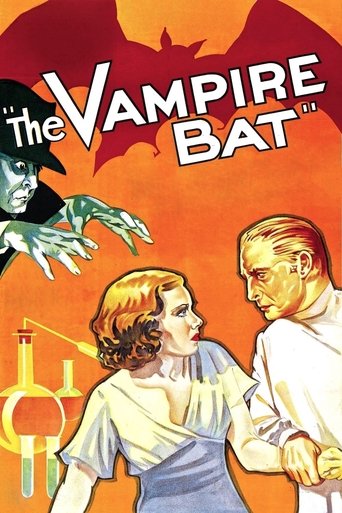
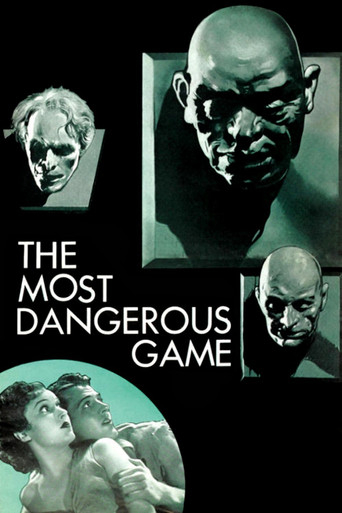
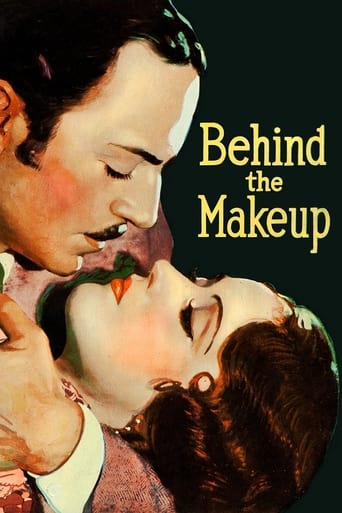
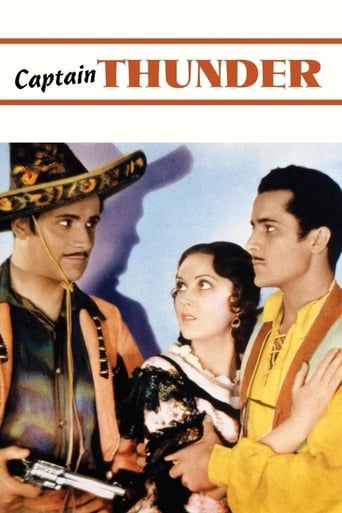
About Fay Wray
Canadian-American actress who became figures of early Hollywood cinema, particularly renowned for her work in horror and adventure films during the 1930s. Born in rural Alberta, Canada, she moved with her family to Arizona and later Los Angeles, where she began her film career as a teenager in silent pictures. Wray's transition to sound films was remarkably successful, and she quickly established herself as a versatile leading lady capable of handling dramatic roles, comedies, and thrillers with equal skill. Her career-defining moment came with her starring role as Ann Darrow in the 1933 film 'King Kong,' which made her an international sensation and cemented her place in cinema history. Throughout the 1930s, she appeared in numerous horror films including 'The Vampire Bat,' 'Doctor X,' and 'The Mystery of the Wax Museum,' earning her the nickname 'The Queen of Scream.' Beyond her horror work, Wray demonstrated remarkable range in dramatic films like 'The Wedding March' and adventure pictures such as 'The Most Dangerous Game.' Her six decades, with her final film appearance in 1980, and she continued to make television appearances well into the 1980s, remaining a beloved figure in Hollywood until her death at age 96.
The Craft
On Screen
Fay Wray was known for her expressive and emotional acting style that perfectly suited both silent films and early talkies. Her performances were characterized by wide-eyed sincerity and an ability to convey genuine terror and vulnerability, making her particularly effective in horror and thriller genres. Wray possessed a natural screen presence that combined innocence with underlying strength, allowing her to portray both the damsel in distress and resilient survivor. Her technique evolved from the exaggerated expressions required in silent cinema to more nuanced performances in sound films, demonstrating remarkable adaptability. Wray was particularly skilled at physical acting, using her entire body to express emotion, which was crucial for her most famous role requiring her to react to a giant ape that wasn't actually present during filming.
Milestones
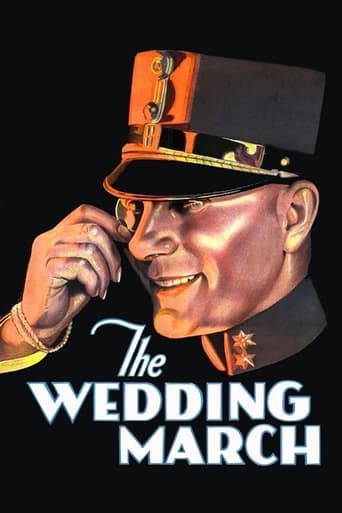
- Breakthrough role in 'The Wedding March' (1926) directed by Erich von Stroheim
- Starred in 'The Most Dangerous Game' (1932) which used the same jungle sets as King Kong
- Iconic performance as Ann Darrow in 'King Kong' (1933)
- Leading lady in numerous horror films earning her the title 'Queen of Scream'
- Successful transition from silent films to talkies
- Long career spanning six decades in film and television
- Received star on Hollywood Walk of Fame in 1960
- Published autobiography 'On the Other Hand' in 1988
Best Known For
Iconic Roles
Must-See Films
Accolades
Won
- Hollywood Walk of Fame Star (1960)
- Golden Boot Award (1986)
- Canada's Walk of Fame (2005 - posthumous)
Nominated
- Academy Award consideration for Best Actress for King Kong (1933 - though no official nomination)
Special Recognition
- Named one of the greatest screen legends by American Film Institute
- Honored at the Film Society of Lincoln Center in 1987
- Received lifetime achievement award from the Academy of Science Fiction, Fantasy & Horror Films
Working Relationships
Worked Often With
Studios
Why They Matter
Impact on Culture
Fay Wray's impact on cinema and popular culture is immeasurable, primarily through her iconic role in 'King Kong,' which became. Her portrayal of Ann Darrow established the archetype of the 'scream queen' and influenced generations of horror and adventure films. The image of Wray in King Kong's grasp became. Wray's success helped prove that women could be the central figures in adventure and horror films, not just romantic interests. Her work in early horror films contributed to the establishment of horror as a legitimate and popular film genre. Beyond her specific roles, Wray represented the transition from silent films to talkies, embodying the technical and artistic challenges of this pivotal period in cinema history.
Lasting Legacy
Fay Wray's legacy extends far beyond her most famous role, encompassing her work in early horror cinema and her remarkable longevity in an industry known for its fleeting stardom. She remains. Wray's successful transition from silent films to sound made her a role model for other actors facing this technological revolution. Her autobiography and later interviews provided invaluable firsthand accounts of Hollywood's golden age. Posthumously, she has been honored with inductions into both Canada's Walk of Fame and the Hollywood Walk of Fame, recognizing her contributions to cinema in both countries. Film scholars continue to study her work for its technical innovation and cultural significance, particularly her ability to convey emotion and terror in early sound films. Wray's influence can be seen in countless horror films and adventure movies that followed, with many actresses citing her as an inspiration for taking on physically demanding and emotionally intense roles.
Who They Inspired
Fay Wray influenced generations of actors, particularly women in horror and adventure genres. Her ability to portray both vulnerability and strength created a template for future scream queens who wanted more depth in their characters. Directors like Peter Jackson paid homage to her work in his 2005 King Kong remake, with Naomi Watts studying Wray's performance. Her technique for reacting to special effects that weren't present during filming became a masterclass for actors in fantasy and science fiction films. Wray's career longevity and successful transition between different film eras inspired actors to adapt to changing industry technologies and audience preferences. Her willingness to take on physically demanding roles helped pave the way for more action-oriented female leads in cinema. The emotional authenticity she brought to horror films elevated the genre and encouraged more serious dramatic performances in what were often considered B-movies.
Off Screen
Fay Wray was married three times and had three children. Her first marriage was to writer and playwright John Monk Saunders in 1928, with whom she had her daughter Susan. The marriage ended in divorce in 1939. She then married renowned screenwriter Robert Riskin in 1942, with whom she had two children, Robert and Victoria. Riskin's death in 1955 deeply affected Wray. Her third marriage was to Dr. Sanford Rothenberg in 1971, which lasted until his death in 1991. Despite her Hollywood fame, Wray maintained a relatively private personal life and was known for her intelligence, wit, and dedication to her family. She was an avid reader and writer, publishing her autobiography 'On the Other Hand' in 1988, which offered candid insights into her remarkable career and the golden age of Hollywood.
Education
Attended Hollywood High School, studied at University of California, Los Angeles briefly
Family
- John Monk Saunders (1928-1939)
- Robert Riskin (1942-1955)
- Dr. Sanford Rothenberg (1971-1991)
Did You Know?
- Was offered the role of Melanie Hamilton in 'Gone with the Wind' but turned it down
- The character 'Fay Wray' was named after her in Tim Burton's 'Ed Wood' (1994)
- She was originally considered for the female lead in 'Frankenstein' (1931)
- King Kong was filmed on the same jungle sets as 'The Most Dangerous Game', which she had just completed
- She earned $10,000 for King Kong, a substantial sum at the time
- Was a direct descendant of Joseph Lister, the pioneer of antiseptic surgery
- Appeared in over 100 films throughout her career
- Was a talented painter and writer in her later years
- Received death threats from some viewers who thought she was actually harmed in King Kong
- Her scream in King Kong was so convincing that many believed it was real
- Was offered a role in 'The Wizard of Oz' but declined
- Her daughter Victoria Riskin became president of the Writers Guild of America
In Their Own Words
I was the apple of my father's eye. He was a very proud man and he was proud of me, but he was also very strict.
King Kong was just a job to me. I had no idea it would become so famous.
I think I was the first scream queen, but I never thought of myself that way.
Hollywood was a wonderful place to be in those days. Everyone was so creative and enthusiastic.
I've never been afraid of hard work. I've always been a professional.
The horror films were fun to make. We knew they were just make-believe, so we had a great time screaming and running around.
Frequently Asked Questions
Who was Fay Wray?
Canadian-American actress who became.' She had a career spanning six decades and was particularly famous for her work in horror films during the 1930s, earning her the nickname 'The Queen of Scream.'
What films is Fay Wray best known for?
Titles linked here include King Kong (1933), The Wedding March (1926).
When was Fay Wray born and when did she die?
Born September 15, 1907; died August 8, 2004.
What awards did Fay Wray win?
Fay Wray received a star on the Hollywood Walk of Fame in 1960, was honored with the Golden Boot Award in 1986, and was posthumously inducted into Canada's Walk of Fame in 2005. She also received lifetime achievement recognition from various film organizations and was named one of the greatest screen legends by the American Film Institute.
What was Fay Wray's acting style?
Fay Wray was known for her expressive and emotional acting style that successfully transitioned from silent films to talkies. Her performances were characterized by wide-eyed sincerity and an exceptional ability to convey genuine terror and vulnerability, making her particularly effective in horror and thriller genres. She was skilled at physical acting and used her entire body to express emotion, which was crucial for her most famous role reacting to special effects.