Omar N. Bradley
Actor
Born: February 12, 1893 in Clark, Missouri, USA Died: April 8, 1981 Active: 1945 (film appearance) Birth Name: Omar Nelson Bradley
Films
1 film
About Omar N. Bradley
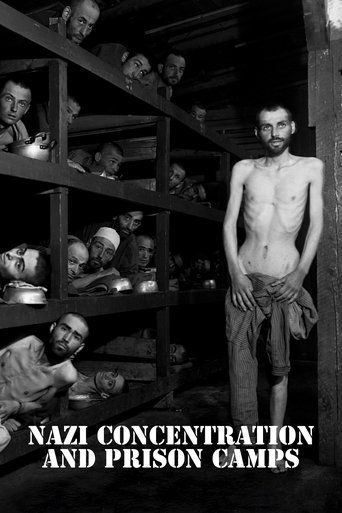
Omar Nelson Bradley — United States Army general who served during World War II, not a professional actor. Born in Clark, Missouri, Bradley graduated from West Point in 1915 and rose through the ranks to become one of America's most respected military commanders. During World War II, he commanded the U.S. II Corps in North Africa and Sicily, later leading the 12th Army Group in Europe, which was the largest single field command in U.S. History. His appearance in the 1945 documentary 'Nazi Concentration Camps' was as himself, providing commentary and context about the liberation of these camps under his command. After the war, Bradley served as the first Chairman of the Joint Chiefs of Staff and was promoted to General of the Army (five-star general). His brief film appearance represents his role as a historical witness rather than an acting career, though his presence in this important documentary contributed to the historical record of WWII atrocities.
The Craft
Milestones
- Commanded U.S. II Corps in WWII
- Led 12th Army Group in Europe
- First Chairman of Joint Chiefs of Staff
- Promoted to five-star general
- Appeared in historical documentary 'Nazi Concentration Camps'
Best Known For
Iconic Roles
Must-See Films
Accolades
Won
- Service Medal (multiple awards)
- Silver Star
- Legion of Merit
- Bronze Star
- World War I Victory Medal
- World War II Victory Medal
Special Recognition
- Five-Star General of the Army
- Chairman of Joint Chiefs of Staff
- Bradley Infantry Fighting Vehicle named in his honor
- Multiple foreign military honors
Why They Matter
Impact on Culture
Bradley's appearance in 'Nazi Concentration Camps' contributed to the historical documentation of Holocaust atrocities, helping ensure that the evidence of Nazi war crimes would be preserved for posterity. As a high-ranking military commander, his testimony and presence in the documentary lent authority and credibility to the visual evidence being presented. The film itself became an important piece of historical evidence used in post-war trials and has served as an educational document about the Holocaust for subsequent generations.
Lasting Legacy
Omar Bradley's legacy is primarily military rather than cinematic, though his participation in documenting WWII atrocities through film represents an important intersection of military history and historical preservation. He is remembered as one of America's greatest field commanders and a leader who embodied the values of duty and service. His brief film appearance serves as a reminder of the role military leaders played in documenting and confronting the horrors of war.
Who They Inspired
Bradley's influence on cinema is limited to his historical significance as a WWII commander whose presence in documentary footage provides authentic testimony. His leadership style and military strategies have been portrayed in numerous films and documentaries about WWII, though these were typically played by actors rather than featuring Bradley himself, with the exception of archival footage and 'Nazi Concentration Camps'.
Off Screen
Bradley married Mary Quayle in 1916, and they remained married until her death in 1965. He remarried Esther Dora 'Kitty' Buhler in 1966. Known for his modest and unassuming demeanor despite his high rank, Bradley was often called the 'GI's General' for his concern for ordinary soldiers. He authored his autobiography 'A General's Life' in 1983, published posthumously.
Education
United States Military Academy at West Point (Class of 1915)
Family
- Mary Quayle (1916-1965)
- Esther Dora 'Kitty' Buhler (1966-1981)
Did You Know?
- Bradley was the last of America's five-star generals
- He was known as the 'GI's General' for his concern for enlisted men
- Despite his high rank, he lived modestly and was uncomfortable with pomp
- He commanded over 1.3 million men by the end of WWII
- Bradley was the first Chairman of the Joint Chiefs of Staff
- He never commanded in combat during WWI, though he served
- Bradley's 12th Army Group was the largest single field command in U.S. History
- He was offered political positions but declined them
- The M2 Bradley Infantry Fighting Vehicle is named after him
- He appeared in only one film: 'Nazi Concentration Camps' (1945)
In Their Own Words
Bravery is the capacity to perform properly even when scared half to death.
We have learned by bitter experience that the only thing we can rely upon is the loyalty of the American soldier.
Ours is a world of nuclear giants and ethical infants.
Frequently Asked Questions
Who was Omar N. Bradley?
five-star U.S. Army general who served as a senior commander during World War II, later becoming the first Chairman of the Joint Chiefs of Staff. He appeared in the 1945 documentary 'Nazi Concentration Camps' as himself, providing military context about the liberation of concentration camps.
What films is Omar N. Bradley best known for?
Titles linked here include Nazi Concentration Camps (1945).
When was Omar N. Bradley born and when did he die?
Born February 12, 1893; died April 8, 1981.
What awards did Omar N. Bradley win?
Bradley received numerous military honors including multiple Service Medals, the Silver Star, Legion of Merit, Bronze Star, and was promoted to the five-star rank of General of the Army. He was not a film actor and did not receive cinema awards.
What was Omar N. Bradley's role in 'Nazi Concentration Camps'?
In 'Nazi Concentration Camps' (1945), Bradley appeared as himself in his capacity as a senior military commander, providing authoritative testimony and context about the liberation of concentration camps that occurred under his command during WWII.