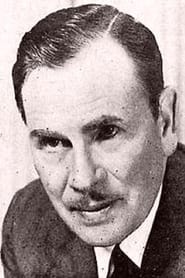
Wallis Clark
Actor
Born: March 2, 1882 in Southampton, England Died: February 14, 1961 Active: 1930-1958 Birth Name: Wallis H. Clark
Films
1 film
About Wallis Clark
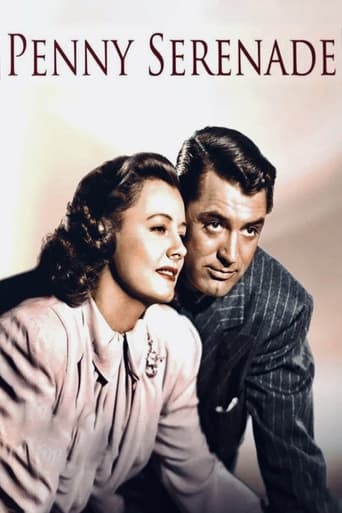
British-born character actor who found considerable success in Hollywood during the Golden Age of cinema. Born in Southampton, England, he began his acting career on the stage before transitioning to films in the early 1930s. Clark quickly established himself as a reliable supporting actor, frequently cast in roles of authority such as judges, doctors, politicians, and business executives. His dignified bearing and precise diction made him particularly well-suited for these professional parts. Throughout his career, he appeared in over 150 films, working with some of Hollywood's biggest stars and most respected directors. His performance in 'Penny Serenade' (1941) alongside Cary Grant and Irene Dunne showcased his ability to bring depth to relatively small roles. Clark continued working steadily through the 1940s and 1950s, appearing in both dramatic films and comedies, always bringing a sense of gravitas and authenticity to his characters.
The Craft
On Screen
Clark was known for his dignified, authoritative presence and precise delivery. He brought a sense of authenticity to professional roles, often portraying judges, doctors, and officials with a natural gravitas. His acting style was understated yet commanding, allowing him to make strong impressions even in brief appearances.
Milestones
- Film debut in 'The Big Trail' (1930)
- Memorable role in 'Penny Serenade' (1941)
- Appeared in Frank Capra's 'Meet John Doe' (1941)
- Supporting role in 'The Great McGinty' (1940)
- Frequent appearances in film noir and drama genres
Best Known For
Iconic Roles
Must-See Films
Working Relationships
Worked Often With
Studios
Why They Matter
Impact on Culture
Wallis Clark represents the essential backbone of Golden Age Hollywood cinema - the reliable character actor who brought credibility and depth to supporting roles. His consistent presence in films of the 1930s and 1940s helped establish the professional standards of studio-era filmmaking. Clark's ability to embody authority figures with authenticity contributed to the realism and believability of countless classic films, even when his screen time was limited.
Lasting Legacy
Though never a star, Wallis Clark's legacy lives on through his extensive body of work in classic Hollywood cinema. He exemplifies the crucial role that character actors played in building the Golden Age films. His performances continue to be appreciated by classic film enthusiasts and serve as excellent examples of the craft of supporting acting during Hollywood's studio era.
Who They Inspired
Clark influenced subsequent generations of character actors through his professional approach and ability to make memorable impressions in limited screen time. His work demonstrated how supporting roles could significantly enhance a film's overall quality and authenticity, setting a standard for character acting that continues to be relevant today.
Off Screen
Wallis Clark emigrated from England to the United States in the early 20th century, bringing with him a rich theatrical background. He married actress Benita Hume in 1929, though they later divorced. Clark was known as a private individual who preferred to keep his personal life out of the public eye, focusing instead on his craft. He lived in the Los Angeles area for most of his film career and was respected by his colleagues for his professionalism and dedication to his art.
Education
Trained in classical theater in England before emigrating to the United States
Family
- Benita Hume (1929-1933)
Did You Know?
- Born in Southampton, England, the same city as the Titanic departed from
- Appeared in over 150 films during his career
- Often played judges and authority figures due to his dignified appearance
- Worked with both Cary Grant and Irene Dunne multiple times
- Was married to actress Benita Hume, who later married Ronald Colman
- Began his career in theater before transitioning to films
- His film active years covered nearly three decades
- Often without on-screen billing in early film roles
- Shared the screen with many of Hollywood's biggest stars despite never being a leading man
- His precise English accent made him particularly effective in professional roles
In Their Own Words
As a character actor, my job is to make the stars look better and the story more believable.
Every role, no matter how small, deserves the same respect and preparation.
Frequently Asked Questions
Who was Wallis Clark?
Screen credits include over 150 films during Hollywood's Golden Age, specializing in roles as authority figures like judges, doctors, and officials.
What films is Wallis Clark best known for?
Titles linked here include Penny Serenade (1941), Meet John Doe (1941).
When was Wallis Clark born and when did he die?
Born March 2, 1882; died February 14, 1961.
What awards did Wallis Clark win?
Despite his extensive film career, Wallis Clark did not receive major awards or nominations, which was common for character actors of his era despite their significant contributions to films.
What was Wallis Clark's acting style?
Clark was known for his dignified, authoritative presence and precise delivery, bringing authenticity to professional roles with an understated yet commanding style that made strong impressions even in brief appearances.