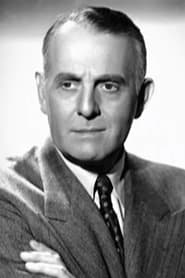
Moroni Olsen
Actor
Born: June 17, 1889 in Ogden, Utah, United States Died: November 22, 1954 Active: 1925-1954
Films
2 films
About Moroni Olsen
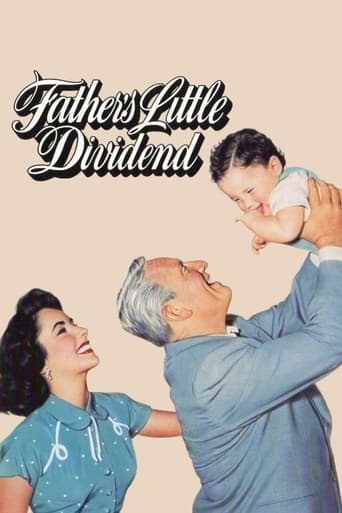
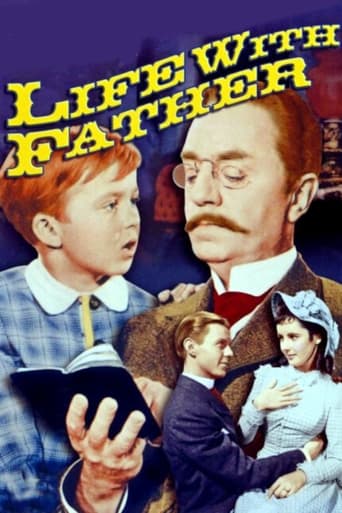
American character actor: several decades, though he is perhaps best remembered for his roles in family comedies during Hollywood's Golden Age. Born in Utah, Olsen began his acting career on the stage before transitioning to film in the 1930s, where he quickly established himself as a reliable supporting player. His deep, resonant voice and dignified presence made him particularly well-suited for portraying authority figures, clergymen, and patriarchal roles. Throughout his career, Olsen appeared in over 100 films, often playing judges, doctors, and ministers with a natural gravitas that endeared him to audiences. His performances in 'Life with Father' (1947) and its sequel 'Father's Little Dividend' (1951) showcased his ability to blend stern authority with underlying warmth. Beyond his film work, Olsen was also active in radio and television, bringing his distinctive voice to numerous productions. His career, while never leading to stardom, was marked by consistent work and the respect of his peers in the entertainment industry.
The Craft
On Screen
Olsen was known for his commanding presence and rich, deep voice that lent authority to every role he portrayed. His acting style was characterized by a dignified, measured approach that made him particularly effective as authority figures. He had a natural ability to convey both sternness and underlying warmth, allowing him to play characters who were initially intimidating but ultimately revealed a softer side. Olsen's theatrical background informed his film performances, bringing a stage-trained precision to his delivery and movements. He excelled at creating fully-realized characters even in relatively brief screen appearances, using subtle facial expressions and vocal modulation to add depth to his roles.
Milestones
- Stage debut in the 1920s
- Film debut in the early 1930s
- Breakthrough role in 'The Story of Vernon and Irene Castle' (1939)
- Memorable performance in 'Life with Father' (1947)
- Reprised role in 'Father's Little Dividend' (1951)
- Extensive radio work throughout the 1940s
- Television appearances in the early 1950s
Best Known For
Iconic Roles
Must-See Films
Accolades
Special Recognition
- Hollywood Walk of Fame Star (Motion Pictures)
Working Relationships
Worked Often With
Studios
Why They Matter
Impact on Culture
Moroni Olsen contributed significantly to the fabric of Golden Age Hollywood cinema through his consistent portrayal of authority figures that helped define the era's family films. His deep, authoritative voice became a familiar presence in American homes through both films and radio programs, making him. Olsen's ability to portray clergymen and other moral authority figures with authenticity helped establish the tone of many classic family dramas and comedies. His work in the 'Life with Father' series contributed to the films' enduring popularity and their status as beloved family classics. Olsen represented the type of reliable, professional actor who formed the backbone of Hollywood's studio system, bringing credibility and depth to supporting roles that elevated the overall quality of countless productions.
Lasting Legacy
Moroni Olsen's legacy lives on through his extensive body of work that continues to be appreciated by classic film enthusiasts. His performances in the 'Life with Father' films ensure that he remains part of cinema history, with these movies regularly shown on classic film channels and streaming platforms. The Hollywood Walk of Fame star bearing his name stands as a permanent tribute to his contributions to the film industry. Olsen's career serves as an example of how character actors can achieve lasting impact through consistent, quality work even without achieving leading-man status. His influence can be seen in the many subsequent character actors who have followed in his footsteps, bringing similar dignity and authority to supporting roles in family-oriented films and television shows.
Who They Inspired
Olsen influenced subsequent generations of character actors through his demonstration of how to create memorable, authentic characters within the constraints of supporting roles. His ability to convey authority without becoming one-dimensional provided a template for actors playing similar roles in later decades. The natural warmth he brought to potentially stern characters showed how authority figures in family entertainment could be both respected and approachable. His success in transitioning from stage to film to radio to television provided a model for actors seeking to work across multiple media platforms. Younger actors who worked with him often praised his professionalism and the subtle techniques he used to build characters with limited screen time.
Off Screen
Devout member of The Church of Jesus Christ of Latter-day Saints, which influenced both his personal values and the types of roles he often portrayed. He married twice during his lifetime, first to actress Lillian Lawrence, and later to Eloise Taylor. Despite his busy career in Hollywood, Olsen maintained strong ties to his Utah roots and often returned to his home state. He was known in the industry as a professional and reliable actor who brought dignity to every role. Olsen passed away in 1954 at the age of 65, leaving behind a legacy of memorable character performances.
Education
Graduated from Weber Academy in Ogden, Utah; studied drama at the University of Utah
Family
- Lillian Lawrence (1924-1946, her death)
- Eloise Taylor (1947-1954, his death)
Did You Know?
- Born in Ogden, Utah, and maintained strong ties to his home state throughout his life
- His distinctive deep voice made him a popular choice for radio programs in the 1930s and 1940s
- Was a devout member of the LDS Church, which sometimes influenced his role choices
- Appeared in over 100 films during his career, though often in uncredited or small roles
- His first wife, Lillian Lawrence, was also an actress who appeared in several silent films
- Despite his authoritative screen presence, colleagues described him as warm and approachable in person
- His film career continued even after his death through posthumous releases
- Was particularly skilled at playing ministers and other religious authority figures
- His stage training gave him a distinctive, precise way of delivering lines that set him apart from many film actors of his era
- The 'Life with Father' films in which he appeared were among the most successful family comedies of their time
In Their Own Words
As an actor, you don't need to be the star to be essential to the story. Every character, no matter how small, serves a purpose.
The stage teaches you discipline that serves you well in film. You learn to make every moment count.
Playing authority figures isn't about being intimidating; it's about earning respect through authenticity.
Frequently Asked Questions
Who was Moroni Olsen?
American character with credits in this catalog. He appeared in over 100 films between the 1920s and 1950s, often playing judges, doctors, and ministers with a natural gravitas that made him a familiar face to movie audiences.
What films is Moroni Olsen best known for?
Titles linked here include Life with Father (1947), Father's Little Dividend (1951).
When was Moroni Olsen born and when did he die?
Born June 17, 1889; died November 22, 1954.
What awards did Moroni Olsen win?
While Moroni Olsen did not receive major acting awards during his lifetime, he was honored with a star on the Hollywood Walk of Fame in recognition of his contributions to motion pictures. His consistent work and respected status in the industry served as their own form of recognition.
What was Moroni Olsen's acting style?
Olsen's acting style was characterized by a dignified, measured approach informed by his stage training. He brought authority and authenticity to his roles through his deep voice and commanding presence, while also conveying underlying warmth that made his characters relatable despite often playing stern authority figures.