The Show
"A harried propman backstage at a theater must put up with malfunctioning wind machines"
Keys: Space play/pause · ←/→ 10s · F fullscreen · M mute · </> speed
About this film
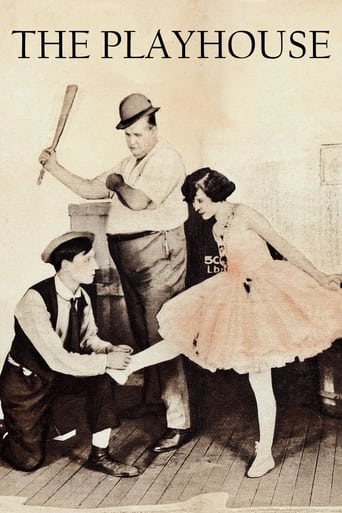
A harried propman backstage at a theater must put up with malfunctioning wind machines, roosters that spit nitroglycerine, and a gang planning to rob the theater's payroll.
Cast & crew
More films like this
More Comedy films
View all →







More from Norman Taurog
View all →
More about this film
About the production
Release dateOctober 15, 1922
ProductionVitagraph Company of America
Filmed inVitagraph Studios, Brooklyn, New York
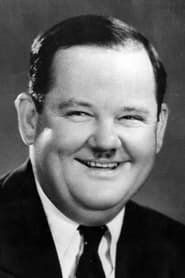
This was one of many comedy shorts Larry Semon produced for Vitagraph during his peak popularity as a silent comedy star. The film showcases Semon's trademark style of combining elaborate physical comedy with surreal situations, such as the nitroglycerine-spitting roosters. Oliver Hardy, who would later achieve international fame as half of Laurel and Hardy, appears in a supporting role, demonstrating his early work in comedy before his iconic partnership with Stan Laurel. The production likely utilized Vitagraph's existing theater sets and backlot facilities, typical of studio efficiency during the silent era.
Themes
Chaos vs. OrderTheater as MetaphorUnderdog HeroismTechnology Gone WrongCriminal vs. Civilian Conflict
Themes & topics
Historical background
The Show (1922) circulated in the silent era. A harried propman backstage at a theater must put up with malfunctioning wind machines, roosters that spit nitroglycerine, and a gang planning to rob the theater's payroll Contemporary trade papers and later preservation notes document its place among nickelodeon and cinema-club programs.
Why this film matters
The Show remains accessible to researchers and viewers as a comedy short in museum, archive, and streaming collections. Programmers cite it when tracing regional production history and surviving early prints.
Making of
The production of 'The Show' took place during a transitional period in American cinema, as the industry was consolidating into the studio system that would dominate Hollywood. Larry Semon, as both star and likely creative force behind the film, was known for his hands-on approach to comedy, often improvising gags on set and encouraging his cast to contribute to the comedic mayhem. Norman Taurog, though young, was already establishing himself as a reliable director of comedy shorts at Vitagraph. The elaborate mechanical gags, such as the malfunctioning wind machines, would have required careful coordination between the prop department and camera crew to achieve the desired comedic timing. Oliver Hardy, who had been acting in films since 1914, brought his considerable experience in physical comedy to his supporting role. The film's production would have been rapid and efficient, typical of the factory-like approach to short film production during the silent era, with likely completion in just a few days of shooting.
What critics said
Day-one reviews for The Show are sparse in digitized press archives; later criticism treats it as a reference point for 1922 cinema programming and preservation.
Did you know?
- This film represents an early collaboration between Norman Taurog and Oliver Hardy, before Taurog became an Academy Award-winning director and Hardy achieved lasting reputation with Stan Laurel.
- Larry Semon was at the height of his popularity in 1922, earning an estimated $3,000 per week - an enormous salary for the time.
- The nitroglycerine-spitting rooster gag was typical of Semon's surreal and often illogical comedy style that made him unique among silent comedians.
- Vitagraph Studios, where this was filmed, was one of the earliest film production companies in America, founded in 1897.
- Norman Taurog was only 22 years old when he directed this film, early in a career that would span over 30 years and include directing Elvis Presley in nine films.
- The film was released during the height of the silent comedy era, competing with the works of Charlie Chaplin, Buster Keaton, and Harold Lloyd.
- Oliver Hardy's appearance in this film predates his first teaming with Stan Laurel by several years.
- The theatrical setting was a common backdrop for comedy shorts of this era, allowing for maximum physical comedy opportunities.
- This film is now considered lost, as many Vitagraph productions from this period have not survived.
- The runtime of approximately 20 minutes was standard for comedy shorts of the early 1920s.
Visual style
As a silent comedy short from 1922, the cinematography would have been functional and straightforward, prioritizing clarity for the physical gags over artistic flourishes. The camera work would have been static for much of the film, with the camera positioned to capture the full range of motion for the comedy sequences. The backstage setting would have allowed for interesting visual compositions with theatrical equipment, props, and set pieces creating depth and opportunities for visual humor. The lighting would have been typical of studio productions of the era, using broad, even illumination to ensure the actors' expressions and movements were clearly visible. Any special effects, such as those needed for the nitroglycerine-spitting roosters, would have been achieved through in-camera techniques or simple mechanical effects rather than sophisticated post-production work.
Innovations
The film's primary technical achievements would have been in the realm of practical effects and prop work, particularly the creation of the malfunctioning wind machines and the nitroglycerine-spitting roosters. These gags required careful engineering to be both visually convincing and safe for the performers. The coordination of multiple comedic elements simultaneously - actors, props, mechanical effects - represented a significant technical challenge for a short film production. The film also demonstrates the efficient studio production methods of the era, achieving complex visual comedy within the constraints of a short shooting schedule and limited budget. While not groundbreaking in terms of cinematic technology, the film represents the sophisticated gag construction and physical comedy techniques that had been developed by the early 1920s.
Music
As a silent film, 'The Show' would have been accompanied by live musical performance during its theatrical run. The typical accompaniment would have been provided by a theater organist or small orchestra, playing appropriate mood music and synchronized sound effects. The score would have likely consisted of popular songs of the era, classical pieces, and original compositions designed to enhance the comedic timing. The musical accompaniment would have been crucial to the film's effectiveness, providing emotional cues and rhythm for the physical comedy. For chase sequences or moments of heightened action, the music would have become more frantic and energetic. During quieter moments, more romantic or melancholic themes might have been employed. The exact musical selections would have varied by theater and musician, as was standard practice for silent film exhibition.
Famous quotes
As a silent film, any dialogue would have appeared through intertitles, but no specific quotes from this lost film have survived in historical records.
Memorable scenes
- The chaotic sequence with the nitroglycerine-spitting roosters causing backstage mayhem, representing the surreal humor that was Larry Semon's trademark.
What audiences thought
Audience reception in 1922 would have been measured by the film's success in theaters and its popularity among the comedy short circuit. Larry Semon was a significant box office draw during this period, and films like 'The Show' would have been well-received by audiences seeking light entertainment during their cinema outings. The combination of physical comedy, surreal gags, and the familiar chaos of backstage life would have appealed to contemporary moviegoers. The presence of Oliver Hardy, even in a supporting role, would have been appreciated by regular filmgoers who recognized his face from numerous other productions. Modern audience reception is impossible to gauge due to the film's lost status, though silent film enthusiasts and historians remain interested in Semon's work as part of the broader tapestry of silent comedy history.
Film connections
Influenced by
- Theatrical comedy traditions
- Mack Sennett's Keystone comedies
- Chaplin's early shorts
- Buster Keaton's mechanical gags
This film influenced
- Later Larry Semon comedies
- Backstage comedy films of the 1920s
- Norman Taurog's later comedy work
Film restoration
The film is considered lost. Like many Vitagraph productions from the early 1920s, no complete copies are known to exist in film archives or private collections. This loss is typical of films from this era, as the unstable nitrate film stock and lack of systematic preservation efforts led to the disappearance of approximately 75% of silent films. Only production stills, promotional materials, and written descriptions may survive to document the film's existence.
Where to watch
- Currently unavailable for viewing due to lost status. Silent film enthusiasts may find production stills or promotional materials in film history books or specialized archives.