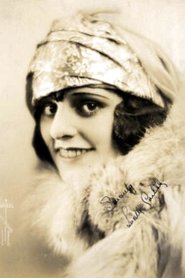
Lucille Carlisle
Actor
Born: June 17, 1895 in Kansas City, Missouri, USA Died: August 23, 1958 Active: 1920-1924 Birth Name: Lucille Catherine Carlisle
Films
1 film
About Lucille Carlisle
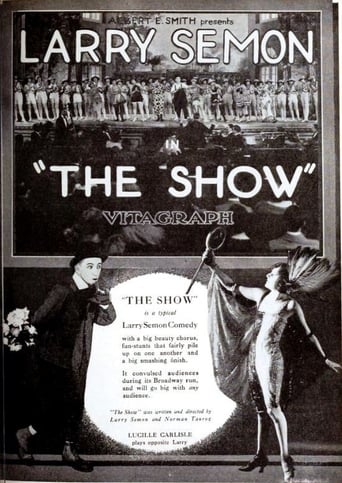
Silent film actress who gained recognition primarily through her collaborations with her husband, comedian and director Larry Semon. Born in the late 19th century, she entered the film industry during the golden age of silent comedy, appearing in several short films and features throughout the early 1920s. Her most notable work came in 1922 when she starred in 'The Show,' a comedy directed by Semon, where she showcased her comedic timing and screen presence. Carlisle's career, while brief, was significant within the context of silent comedy, as she was part of Semon's creative team during his peak productive years. She often played the romantic lead or supporting roles that required both dramatic and comedic skills, demonstrating versatility that was valued in silent cinema. After her marriage to Semon, she became an integral part of his film productions, both on-screen and behind the scenes. Her film career appears to have concluded by the mid-1920s, coinciding with changes in the industry and her personal circumstances.
The Craft
On Screen
Lucille Carlisle's acting style was typical of the silent era, emphasizing expressive facial gestures and physical comedy. She possessed a natural screen presence that allowed her to effectively convey emotion without dialogue, making her well-suited for romantic comedies. Her performances often combined the dramatic sensibilities required for romantic leads with the timing needed for comedic situations, making her a versatile supporting player in Semon's films.
Milestones
- Starred in 'The Show' (1922) directed by Larry Semon
- Married prominent silent film comedian Larry Semon
- Appeared in multiple Semon comedy shorts
- Transitioned from actress to production collaborator
Best Known For
Iconic Roles
Must-See Films
Working Relationships
Worked Often With
Studios
Why They Matter
Impact on Culture
Lucille Carlisle's impact on cinema, while not widely documented, represents the important role of supporting actresses in silent comedy. As part of Larry Semon's creative team, she contributed to the development of comedy shorts that were popular in the early 1920s. Her work exemplifies how actresses of the silent era needed to master both dramatic and comedic performance techniques, often serving as the emotional anchor in predominantly male-driven comedies. Her collaborations with Semon helped create some of the memorable comedy shorts of the period, which influenced later comedy filmmaking.
Lasting Legacy
Lucille Carlisle's legacy is primarily preserved through her surviving film work with Larry Semon, which continues to be studied by silent film enthusiasts and historians. She represents the countless supporting players who were essential to the success of silent comedy but whose individual contributions have often been overlooked by mainstream film history. Her story also illustrates the intimate connection between personal and professional relationships in early Hollywood, where marriages often created creative partnerships. The rediscovery and preservation of Semon's films have brought renewed attention to Carlisle's contributions to silent comedy.
Who They Inspired
While direct evidence of Lucille Carlisle's influence on other performers is limited, her work in silent comedy contributed to the development of ensemble comedy techniques that would become standard in film comedy. Her ability to balance romantic appeal with comedic timing helped establish patterns for female supporting roles in comedy films that would be emulated by subsequent actresses in the genre.
Off Screen
Lucille Carlisle's personal life was deeply intertwined with her professional career, particularly through her marriage to Larry Semon. The couple married in 1920, and their union was both romantic and professional, with Carlisle becoming a regular fixture in Semon's films. Their relationship endured through Semon's rise to fame and subsequent struggles with alcoholism and financial difficulties. After Semon's death in 1928, Carlisle largely withdrew from public life and the film industry.
Education
Limited information available about her formal education, though she likely received training relevant to stage and screen performance common for actors of her era
Family
- Larry Semon (1920-1928, until his death)
Did You Know?
- Born Lucille Catherine Carlisle in Missouri
- Married silent film star Larry Semon in 1920
- Appeared in over a dozen films between 1920-1924
- Often worked with Oliver Hardy before his famous partnership with Stan Laurel
- Her career ended around the same time as the transition to sound films
- Was widowed when Larry Semon died at age 39 from tuberculosis and pneumonia
- Lived for 30 years after her husband's death but never returned to films
- The Show (1922) was one of her most prominent surviving film roles
- Worked primarily with Vitagraph Studios during her career peak
- Her film work is now primarily of interest to silent film historians and enthusiasts
In Their Own Words
While specific quotes from Lucille Carlisle are not well-documented, her performances in silent films communicated emotion through expression and gesture rather than spoken words.
Frequently Asked Questions
Who was Lucille Carlisle?
Silent film actress active in the early 1920s, best known for her work in comedies directed by her husband Larry Semon. She appeared in several popular comedy shorts and features during the silent era, including 'The Show' (1922).
What films is Lucille Carlisle best known for?
Titles linked here include The Show (1922), The Bakery (1921).
When was Lucille Carlisle born and when did she die?
Born June 17, 1895; died August 23, 1958.
What awards did Lucille Carlisle win?
There are no documented awards or nominations for Lucille Carlisle, which was common for many supporting actors in the silent film era, particularly before the establishment of major award ceremonies like the Academy Awards in 1929.
What was Lucille Carlisle's acting style?
Lucille Carlisle's acting style was characteristic of the silent era, emphasizing expressive facial expressions and physical comedy. She excelled at balancing romantic appeal with comedic timing, making her an effective supporting player in comedy films.