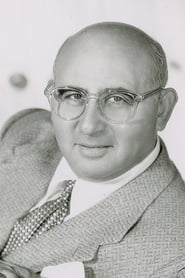
Norman Taurog
Director
Born: February 23, 1899 in Chicago, Illinois, USA Died: April 7, 1981 Active: 1920s-1960s Birth Name: Norman Rae Taurog
Films
3 films
About Norman Taurog
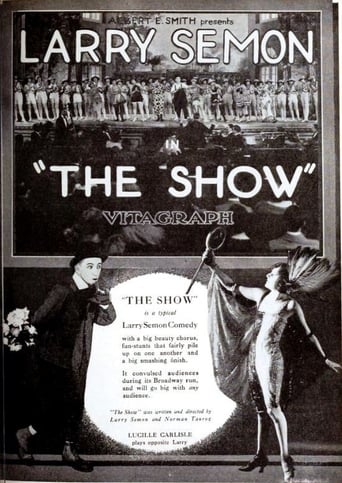
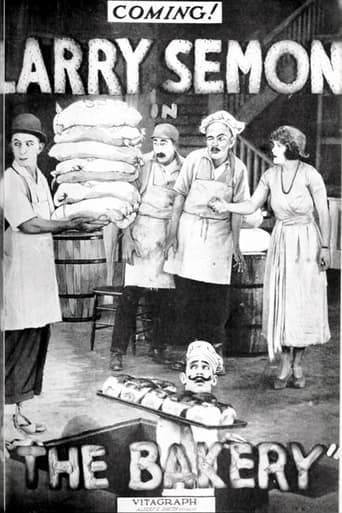
American film director: career stretched from the silent era through the height of classic Hollywood, making him durable craftsmen of studio-era cinema. Born in Chicago, he began in the film business as a child actor and moved into directing while still very young, quickly finding a niche in comedy and light entertainment during the early 1920s. His early silent work includes films such as The Bakery (1921) and The Show (1922), which helped establish him as a director capable of handling fast-paced comic material and performance-driven storytelling. Over the following decades he became a prolific studio director, working across genres but especially becoming associated with family entertainment, musicals, and star vehicles. Taurog directed several of the most popular films of the sound era and was particularly important in shaping the screen image of child and youth performers, including early work with Jackie Cooper and multiple films with Elvis Presley. He won the Academy Award for Best Director for Skippy (1931), becoming one of the youngest directors ever to receive that honor. By the end of his career he had directed well over a hundred features, leaving behind a legacy as a highly reliable studio-era filmmaker who could deliver commercial success across changing eras of Hollywood style.
The Craft
Behind the Camera
Taurog's directing style was notably efficient, audience-friendly, and commercially minded, reflecting the demands of the studio system. He was especially adept at pacing comedy and family entertainment, keeping stories brisk and accessible while allowing performers to carry much of the charm. His films often emphasized clear storytelling, broad emotional appeal, and polished entertainment value rather than overt visual experimentation. In work with child actors and young stars, he showed a practical sensitivity to performance and timing, which helped produce memorable, natural-feeling screen moments. Across his career, he adapted smoothly to changing genres and eras, from silent comedy to sound-era musicals and star-driven vehicles.
Milestones
- Began his film career as a child actor before transitioning to directing in the silent era
- Directed the silent comedies The Bakery (1921) and The Show (1922), among his earliest credited films
- Won the Academy Award for Best Director for Skippy (1931)
- Directed one of early sound cinema's notable child-star performances in Skippy, helping launch Jackie Cooper
- Became a highly prolific studio-era director across comedy, drama, musical, and family entertainment
- Directed multiple popular Elvis Presley vehicles in the 1960s, including Blue Hawaii and Viva Las Vegas
- Worked extensively with top Hollywood talent over several decades, maintaining a long career through major shifts in film style and technology
Best Known For
Must-See Films
Accolades
Won
- Academy Award for Best Director for Skippy (1931)
Nominated
- Academy Award nomination for Best Director for Skippy (1931)
Working Relationships
Worked Often With
Studios
Why They Matter
Impact on Culture
Norman Taurog had a significant, if often underappreciated, impact on classic American cinema as one of Hollywood's most dependable commercial directors. He helped define the screen presentation of child stardom in the early sound era, especially through Skippy, which became a model for sentimental yet lively family entertainment. His later films with Elvis Presley were part of the larger pop-cultural phenomenon that shaped youth entertainment in the 1960s, bringing rock-and-roll star power into mainstream studio filmmaking. Taurog's career also illustrates the continuity of Hollywood craftsmanship across the silent, sound, and postwar eras, showing how a director could remain relevant by adapting to audience tastes. His work is an important reminder that studio-era success was often built not only on auteur signatures but also on a director's ability to deliver polished, broadly appealing entertainment.
Lasting Legacy
Taurog's legacy rests on longevity, versatility, and his role in guiding major screen personalities through formative career moments. Winning the Best Director Oscar for Skippy gave him a place in film history, but his broader importance lies in the sheer number of successful studio pictures he directed across multiple decades. He is remembered as a consummate craftsman whose films helped shape the tone of American family entertainment and musical comedy. For film historians, his career provides a valuable record of how Hollywood directors operated within the studio system, balancing efficiency, star management, and commercial appeal. Though not always ranked among the most stylistically distinctive directors of his era, he remains an essential figure in the development of mainstream American cinema.
Who They Inspired
Taurog influenced later directors primarily through his example as a highly adaptable studio professional and through the performers he helped showcase. His work with young actors demonstrated how to build films around natural performance rhythms and audience identification, a skill that later family-film directors would continue to value. His Elvis Presley films also influenced the formula of the star vehicle, in which a director structures a feature to maximize a celebrity persona, musical numbers, and light narrative momentum. More broadly, his career showed how a director could move successfully from silent comedy to sound-era prestige projects and then to mid-century popular entertainment without losing audience trust. While not known as a formal stylistic innovator, he helped sustain the commercial grammar of Hollywood entertainment across decades.
Off Screen
Norman Taurog was born Norman Rae Taurog in Chicago and entered motion pictures at a young age, first as a performer and later as a director. He was part of the Hollywood studio world for decades and maintained a long, active professional life centered on filmmaking rather than publicity. Publicly documented personal details about his private life are comparatively limited in standard film-reference sources, but he was known chiefly as a working director whose identity remained closely tied to his output. He died in 1981 in Rancho Mirage, California, after a long career that had begun in the silent period. Because he was so thoroughly a studio professional, most surviving information focuses on his films and collaborators rather than extensive personal anecdotes.
Education
No formal film-school education is known; he entered the film industry in youth and learned through practical studio experience.
Family
- Marie La Gasse (married 1929–1981)
Did You Know?
- He began his entertainment career as a child actor before moving behind the camera.
- He won the Academy Award for Best Director for Skippy, making him one of the youngest recipients of that honor.
- His early directing credits include The Bakery and The Show, both made in the silent era.
- He directed several films starring Elvis Presley, including Blue Hawaii and Viva Las Vegas.
- He was one of the rare directors whose career successfully spanned silent films, early talkies, the studio era, and the rise of rock-and-roll cinema.
- Skippy is often remembered as one of the defining child-performance films of early sound Hollywood.
- He worked in a variety of genres but was especially associated with comedy and family entertainment.
- His birth name was Norman Rae Taurog.
- He died in Rancho Mirage, California, in 1981.
Frequently Asked Questions
Who was Norman Taurog?
American on YTB.my. He is best known for directing Skippy, which won him the Academy Award for Best Director, as well as later popular films across comedy, family, and musical genres.
What films is Norman Taurog best known for?
Titles linked here include Skippy (1931), The Big Pond (1930).
When was Norman Taurog born and when did he die?
Born February 23, 1899; died April 7, 1981.
What awards did Norman Taurog win?
His most notable honor was the Academy Award for Best Director for Skippy (1931). He is also widely recognized in film history as one of the youngest directors ever to win that Oscar.
What was Norman Taurog's directing style?
Taurog's directing style was efficient, polished, and focused on audience appeal. He specialized in clear storytelling, strong pacing, and star-centered entertainment, often excelling with child performers, comedy, and light musical material.
What was Norman Taurog's legacy in film history?
Taurog's legacy lies in his extraordinary longevity and his ability to remain commercially relevant from the silent era into the 1960s. He helped shape child-star films, family entertainment, and Elvis Presley vehicles, making him a key behind-the-scenes figure in mainstream American cinema.