1920 · null

Also available on: Archive.org
Huckleberry Finn

Huckleberry Finn

1920 null United States

"null"

Freedom versus civilizationFriendship and moral growthChildhood rebellionRace and conscienceAdventure and survival

Plot

Huckleberry Finn, a restless boy who resents the constraints of “civilized” life, runs away from home after enduring the abuse and neglect of his drunken, self-serving father. Seeking freedom, he floats down the Mississippi River on a raft and soon encounters Jim, an enslaved man fleeing the threat of being sold away from his family. The two form an uneasy but deepening friendship as they travel together, sharing food, danger, and a growing trust that transcends the racial assumptions of their world. Along the way they face a series of hazards, comic misadventures, and morally charged encounters that test Huck’s conscience and force him to choose between social convention and human loyalty. The film follows the boys’ and Jim’s river journey as an adventure story, but it also frames the experience as a coming-of-age tale about empathy, freedom, and independence.

About the Production

Release Date 1920-06-27
Budget null
Box Office null
Production Paramount Pictures, Jesse L. Lasky Feature Play Company
Filmed In Various locations associated with Paramount’s California production facilities; specific surviving location documentation for this film is limited

This was a silent feature adaptation of Mark Twain’s classic novel, produced during the period when Paramount was a major force in prestige literary adaptations. Surviving documentation on the production is limited, but the film was made as a star vehicle for child actor Lewis Sargent, with William Desmond Taylor bringing a reputation for polished, commercially successful direction. Like many early Twain adaptations, it had to condense a long episodic narrative into feature length, emphasizing adventure, humor, and sentimental drama. The film was produced in the age of studio-controlled silent filmmaking, when intertitles, expressive performances, and carefully staged visual storytelling carried the narrative in the absence of synchronized sound.

Historical Background

The film was released in 1920, a moment when the American silent film industry was rapidly consolidating into a mature studio system. Post–World War I audiences were seeing more ambitious literary adaptations, and Mark Twain’s novels were especially attractive because they were already culturally revered and widely recognized by the public. At the same time, the film industry was still shaped by the moral expectations of middle-class audiences, which affected how slavery, race, poverty, and childhood rebellion could be represented on screen. Huckleberry Finn therefore sits at a crossroads: it is both a product of early Hollywood’s reliance on familiar literary properties and an example of how silent-era filmmakers translated a complex, socially charged American novel into popular entertainment.

Why This Film Matters

This film is part of the long screen history of Huckleberry Finn, one of the foundational American novels and a major source text for Hollywood. Its significance lies less in surviving modern fame than in its role as an early cinematic interpretation of Twain’s work, showing how silent film adapted literature through visual performance, episode-driven plotting, and sentimentalized characterization. The film also reflects the early 20th century’s treatment of race and childhood on screen, offering historians a window into how mainstream cinema presented Jim and Huck during the silent era. Even where the film is not widely screened today, it remains culturally important as a marker in the evolution of American literary adaptation and as part of the broader conversation about how Twain’s novel has been rewritten for different eras.

Making Of

Huckleberry Finn was mounted in the studio system era when Paramount and its affiliated production units regularly adapted famous novels for broad audiences. The film’s production would have relied on studio sets, controlled river scenes, and carefully staged exterior work to evoke the Mississippi atmosphere without the logistical complexity of fully remote location shooting. William Desmond Taylor was known for a restrained but elegant directorial style, and the production likely benefited from his experience with both drama and commercially appealing entertainment. Since little detailed production paperwork survives in standard public sources, much of the behind-the-scenes record is reconstructed from studio context rather than extensive surviving anecdotes. What is clear is that the film had to compress Twain’s picaresque structure into a feature format while keeping the central friendship between Huck and Jim vivid enough to carry the emotional weight of the story.

Visual Style

As a silent film, Huckleberry Finn depended on expressive visual storytelling, with composition, gesture, and blocking carrying much of the emotional information. Cinematography from this period typically favored clear staging, readable medium shots, and occasional outdoor imagery to suggest the openness of the river journey and the freedom it represents. River scenes in early adaptations often used practical staging and studio-controlled effects rather than extensive on-location shooting, but the visual design would still aim to evoke motion, danger, and frontier atmosphere. The film likely used the strong contrasts of silent black-and-white photography to differentiate domestic spaces, the open river, and the various encounters along the journey.

Innovations

The film is notable mainly for its adaptation of a complex, episodic novel into the feature-length silent format rather than for a single named technical innovation. Its achievement lies in visual condensation: translating river travel, shifting locations, and character-centered humor into a coherent screen narrative without dialogue sound. Like many sophisticated silent productions, it would have depended on careful intertitle writing and performance nuance to preserve story clarity. Its technical significance is primarily historical, representing the mature craft of Paramount-era silent feature filmmaking rather than a breakthrough in special effects or camera technology.

Music

As a silent film, Huckleberry Finn had no synchronized recorded soundtrack. Exhibition would have relied on live musical accompaniment, usually a piano, organ, or small orchestra depending on the theater’s resources. Music in silent presentations of Twain adaptations typically underscored adventure, comedy, tension, and sentiment, with theaters sometimes drawing from cue sheets or improvised repertory. The exact original score, if any, is not widely documented in surviving public sources.

Famous Quotes

Huckleberry Finn" is a silent film, and no synchronized spoken dialogue has survived as quotable sound.
Huckleberry Finn" is a silent film, and surviving quotation sources do not preserve a verified spoken line delivery.

Memorable Scenes

  • Huck’s escape from the restraints of home and his launch into life on the Mississippi River raft, a visual emblem of freedom and self-determination.
  • The growing friendship between Huck and Jim as they share the river journey, which anchors the film’s emotional core.
  • The sequence of adventure and danger on the river, where the pair’s improvised survival skills and mutual reliance become central to the story.
  • Encounters with the colorful and often comic figures of the river world, which help preserve the picaresque spirit of Twain’s novel.

Did You Know?

  • The film is an early silent feature adaptation of Mark Twain’s Adventures of Huckleberry Finn, part of the many screen versions made from Twain’s most famous works.
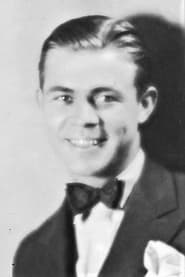
  • Lewis Sargent, who played Huckleberry Finn, was one of several child actors in silent Hollywood who were cast in literary adaptations to appeal to family audiences.
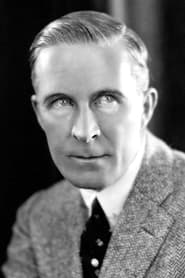
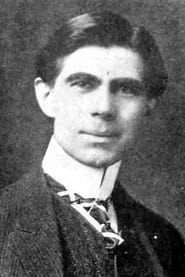
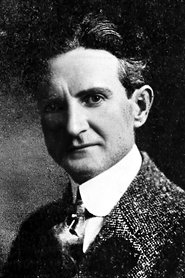
  • William Desmond Taylor was a prominent director of the silent era, and this film belongs to the productive late phase of his career before his unsolved 1922 murder ended his work abruptly.
  • The story’s depiction of Huck and Jim’s relationship reflects the era’s attempt to present Twain’s material in a form acceptable to mainstream 1920 audiences, which often meant softening sharper social criticism.
  • Because silent-era records are incomplete, precise details such as box office, budget, and exact filming locations are not widely documented in modern references.
  • This film is historically notable as one of the earlier feature-length versions of the novel, predating later sound-era adaptations such as the 1939 and 1960s versions.
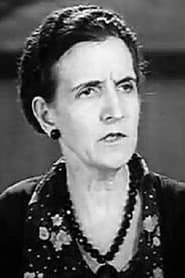
  • Martha Mattox was a familiar character actress of the period, often cast in stern or comic supporting roles in silent melodramas and comedies.
  • The film is listed in contemporary film databases under the title Huckleberry Finn and is identified with Wikidata item Q3787401, helping distinguish it from later adaptations.
  • As with many silent literary films, music would have been supplied live by theaters using a piano or small orchestra, meaning the viewing experience varied from venue to venue.
  • The film contributes to the long cinematic tradition of portraying the Mississippi River as both a literal route to adventure and a symbolic passage toward moral freedom.

What Critics Said

Contemporary reviews for many silent-era films were often brief and promotional, and detailed surviving critical commentary on this specific film is limited. In general, early audiences and reviewers tended to approach such adaptations as respectable family entertainment, judging them by fidelity to familiar story elements, the appeal of the performers, and the effectiveness of the scenic adventure material. Modern assessment of the film is constrained by the likely loss or rarity of prints and by the scarcity of surviving reviews, so it is discussed today more as a historical artifact than as a frequently reappraised masterpiece. Film historians generally situate it within the broader pattern of silent Twain adaptations, noting both its value and the limitations imposed by the era’s racial attitudes and censorship expectations.

What Audiences Thought

Direct audience records are scarce, but the film likely found its audience among patrons of literary adaptations and family adventure pictures in the early 1920s. Mark Twain titles were already familiar draws, and Huckleberry Finn in particular had strong name recognition that could help attract both adult viewers and younger audiences. The episodic river adventure format would have translated well to silent cinema, offering a mix of humor, suspense, and sentiment that was broadly appealing. Because box office figures are not readily available, the film’s popularity can only be inferred from Paramount’s willingness to produce such adaptations and from the continuing prevalence of the title in film history.

Film Connections

Influenced By

  • Adventures of Huckleberry Finn by Mark Twain (1884)
  • Earlier stage and silent screen adaptations of Twain’s work
  • Silent-era American literary adaptations

This Film Influenced

  • Later adaptations of Adventures of Huckleberry Finn, including the 1930s and 1950s–1960s screen versions
  • The long tradition of river-journey adventure films based on American literature

Film Restoration

Preservation status is uncertain in widely accessible modern references; the film is considered rare, and no commonly cited restored version is widely known. As with many silent-era features, surviving materials may be incomplete, fragmented, or difficult to access through standard public channels.

Themes & Topics