1918 · Approximately 50-60 minutes

Also available on: Archive.org
Johanna Enlists

Johanna Enlists

1918 Approximately 50-60 minutes United States
Yearning for freedomRomantic awakeningRural confinement versus modern excitementPatriotism and wartime atmosphereFemale agency and self-discovery

Plot

Johanna, a spirited young woman living on her father's isolated backwoods farm, feels trapped by the monotony and narrowness of rural life. Her world brightens when an army regiment arrives nearby to train, bringing with it excitement, uniforms, music, and the possibility of romance. Drawn toward the soldiers, Johanna becomes especially interested in one of the young men, and her imaginative, restless nature pushes her into a series of comic and affectionate misunderstandings. As she tests her independence and dreams beyond the farm, the film contrasts rustic domestic routine with the glamour and energy of military life. The story builds toward Johanna's emotional maturation, as she learns how attraction, duty, and personal freedom intersect in a wartime world.

About the Production

Release Date 1918-08-04
Production Mary Pickford Company, Artcraft Pictures Corporation
Filmed In United States

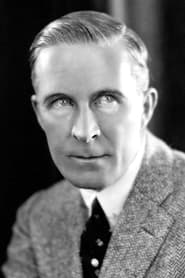
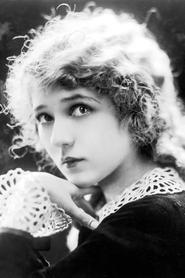
Johanna Enlists was produced during Mary Pickford's peak years as one of the most powerful stars in silent cinema, when she was also exercising increasing creative control over her vehicles. The film was directed by William Desmond Taylor, one of Pickford's regular collaborators in the late 1910s, and it belongs to the cycle of features built around her image as a mischievous but emotionally resilient young woman. Like many Pickford films of the period, it was likely staged largely on studio-built sets and controlled exteriors rather than extensive on-location shooting, with the emphasis placed on performance, timing, and visual charm rather than elaborate spectacle. Surviving documentation on precise production expenditures, release strategy, and exact shooting locations is limited, which is common for many 1910s features. Because it was released in 1918, its wartime setting and recruitment imagery also fit the era's heightened public awareness of military service and patriotic display.

Historical Background

Johanna Enlists was released in 1918, the final year of World War I, when American culture was saturated with military imagery, enlistment drives, and patriotic appeals. Films featuring soldiers, service, and home-front life resonated strongly because audiences were living through a period of mobilization, sacrifice, and social change. At the same time, the film industry was transitioning toward feature-length storytelling as the dominant commercial form, and star-centered productions were becoming more important than simple novelty or one-reel programs. Mary Pickford occupied an extraordinary position in this system, and her films often linked domestic emotion with broader social themes, making them appealing to both mass audiences and exhibitors. Johanna Enlists therefore matters not only as a romance-comedy but as a document of how Hollywood folded wartime feeling, rural fantasy, and star persona into popular entertainment.

Why This Film Matters

The film is culturally significant as part of Mary Pickford's body of work that helped define early cinematic femininity and star power. Pickford's persona often combined innocence, agency, resilience, and wit, and Johanna Enlists participates in that template by centering a young woman whose curiosity and dissatisfaction drive the narrative. The film also reflects the way silent cinema could turn everyday spaces such as farms and military camps into symbolic arenas where modernity, patriotism, and courtship intersect. For historians, it is valuable as evidence of how American film culture in the late 1910s translated wartime realities into light entertainment without entirely losing sight of social atmosphere. Even when not widely remembered today, films like this helped establish the narrative and performance conventions that later romantic comedies and star vehicles would inherit.

Making Of

Johanna Enlists was made during a period when Mary Pickford was not just an actor but a key creative force shaping the projects built around her screen image. William Desmond Taylor was especially well suited to these vehicles because he understood how to balance sentimental comedy, romance, and visual storytelling around Pickford's expressive style. The production belongs to an era when silent features depended heavily on staging, gesture, and intertitles, so the director and performers had to communicate character development through movement and facial expression rather than spoken dialogue. The film's premise allowed for broad contrasts between farm life and military bustle, a structure that would have offered opportunities for lively crowd staging, comic business, and carefully arranged romantic beats. While surviving production records do not preserve many detailed anecdotes, the film is best understood as part of the industrial and artistic machinery that helped establish Pickford's unmatched popularity in the late 1910s.

Visual Style

As a 1918 silent feature, the film would have relied on carefully composed tableaux, expressive close-ups, and restrained camera movement typical of the period. The visual style likely emphasized clarity of action, allowing the audience to follow Johanna's reactions, the arrival of the regiment, and the comic-romantic interactions without confusion. William Desmond Taylor's films often depended on elegant framing and a polished, unobtrusive presentation that kept attention on the performers rather than on flashy technique. Rural exteriors and military camp scenes would have provided contrast in texture and scale, enhancing the film's thematic opposition between confinement and freedom. The cinematography would have been designed to support Pickford's facial expressiveness and physical grace, which were essential to the emotional effect of silent drama and comedy.

Innovations

Johanna Enlists does not appear to be associated with a major technical innovation, but it exemplifies the mature craft of late silent-era feature production. Its achievement lies in the integration of star performance, visual storytelling, and genre balance at a time when American cinema was standardizing feature-length narrative form. The film likely used intertitles efficiently, with production values designed to make the setting and character relationships immediately legible. The contrast between farm life and a military training camp would have offered a useful framework for blocking large groups of extras against intimate scenes with Pickford. In that sense, its technical significance is in professional polish and narrative clarity rather than in any single groundbreaking device.

Music

As a silent film, Johanna Enlists did not have an original synchronized recorded soundtrack. Like most films of its era, it would have been exhibited with live musical accompaniment, which could range from a solo pianist in small venues to a theater orchestra in larger houses. The music would typically have been chosen or improvised to match the film's mood shifts between comedy, romance, and patriotic or martial atmosphere. No specific original score is widely documented in surviving sources. Modern presentations of silent films like this are often accompanied by newly prepared musical reconstructions or archive-provided cueing where available.

Memorable Scenes

  • Johanna's restless reaction to the boredom of farm life before the soldiers arrive, establishing her longing for excitement and change.
  • The arrival of the army regiment near the farm, which transforms the film's mood from rural routine to lively anticipation.
  • Comic-romantic encounters between Johanna and the soldiers, where her curiosity and emotional energy drive the action.
  • The moments in which the film contrasts the discipline and bustle of military life with the slower rhythms of the backwoods setting.
  • Johanna's gradual shift from frustration to emotional engagement, giving the comedy-romance its character arc.

Did You Know?

  • The film stars Mary Pickford at the height of her silent-era fame, when she was one of the most recognizable and bankable performers in the world.
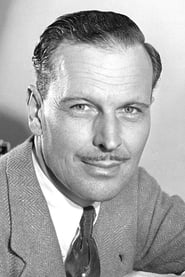
  • William Desmond Taylor, the director, was one of Pickford's important collaborators and later became a figure of lasting Hollywood mystery after his 1922 murder.
  • The film is a late-1910s Pickford comedy-romance that reflects her trademark persona: small in stature, seemingly innocent, but emotionally and morally self-possessed.
  • Its story of a rural girl enlivened by soldiers arriving nearby fits the patriotic atmosphere of the final year of World War I in the United States.
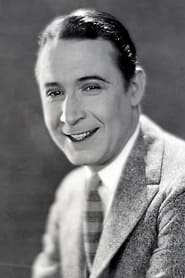
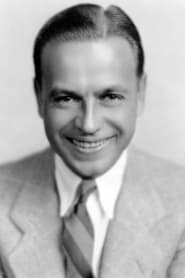
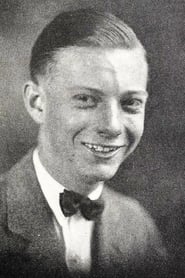
  • Monte Blue appears as part of the supporting cast; he would go on to have a long career across silent and sound cinema.
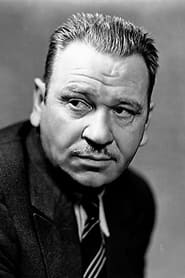
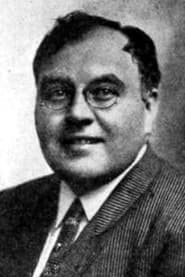
  • Wallace Beery is also in the cast, adding one of the era's most familiar character actors to the production.
  • Because it is a silent film from 1918, original press materials and contemporary reviews are more important sources than surviving dialogue or soundtrack documentation.
  • The title reflects the era's common use of feminine naming and action-oriented verbs to create instantly legible promotional hooks for star vehicles.
  • Like many Pickford productions of the period, it helped reinforce the idea of her as both a childlike figure and a determined, socially savvy modern woman.
  • The film survives in the historical record, but detailed technical and financial documentation appears to be sparse compared with major later studio productions.

What Critics Said

Contemporary criticism for many Pickford vehicles of this period was generally favorable, especially when the films showcased her emotional range and comic timing, though exact surviving reviews for this title are limited. The film was likely appreciated for its charm, its star-centered appeal, and its timely military backdrop, which would have felt topical in 1918. Modern critical attention tends to focus less on individual plot mechanics and more on the film's place in Pickford's career, Taylor's direction, and the evolution of silent-era gender representation. Because it is not among the most frequently screened Pickford titles today, its reputation is more archival and historical than popularly celebrated. When discussed by film historians, it is typically valued as part of the larger pattern of Pickford's 1910s work rather than as a major canonical landmark.

What Audiences Thought

Audiences in the silent era generally responded enthusiastically to Mary Pickford vehicles, especially those that mixed comedy, sentiment, and romance in an accessible domestic setting. Johanna Enlists likely benefited from Pickford's enormous popularity and from the topical appeal of soldiers and wartime atmosphere in 1918. The film's rural-versus-military setup would have offered clear emotional cues and broadly readable humor for a mass audience accustomed to silent storytelling. While precise box-office data is not readily available, the combination of star power, familiar genre elements, and timely subject matter suggests a warm commercial reception relative to many contemporary features. Its long-term audience presence is limited today, largely because silent films were often lost, fragmented, or seen only in archival or specialist contexts.

Film Connections

Influenced By

  • Mary Pickford's earlier innocent-but-resourceful screen persona
  • Popular wartime home-front stories of the 1910s
  • Stage and screen rural comedies with courtship plots

This Film Influenced

  • Later star vehicles built around the mischievous country girl archetype
  • Silent and early sound rural romantic comedies featuring a spirited heroine

Film Restoration

Surviving records indicate the film is extant, though detailed availability can vary by archive and distribution source. It is not generally considered a widely circulating commercial title today, and access is typically through archival holdings, specialized silent-film screenings, or preservation copies rather than mainstream release. Because many 1910s features were lost, its survival is historically important even if it is not broadly available on home video or streaming platforms.

Themes & Topics