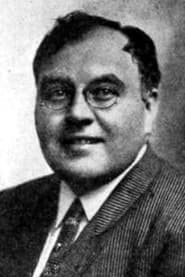
John Steppling
Actor
Born: August 8, 1870 in Essen, Germany Died: January 5, 1933 Active: 1915-1928
Films
6 films

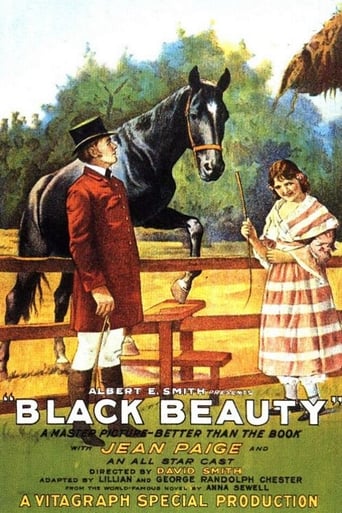
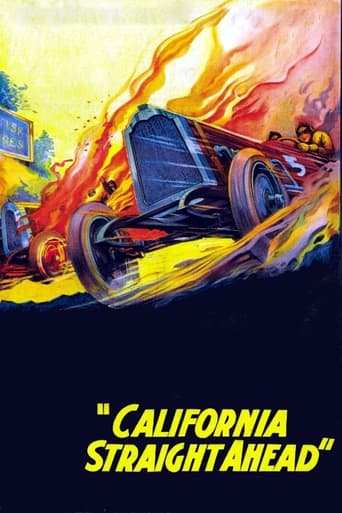
About John Steppling
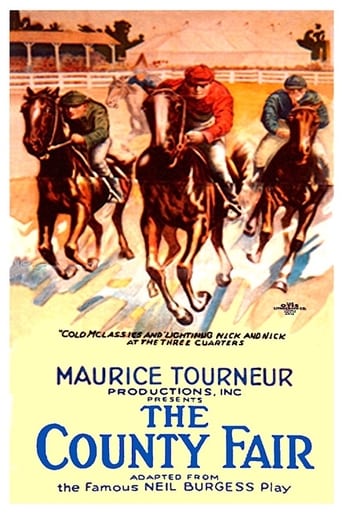
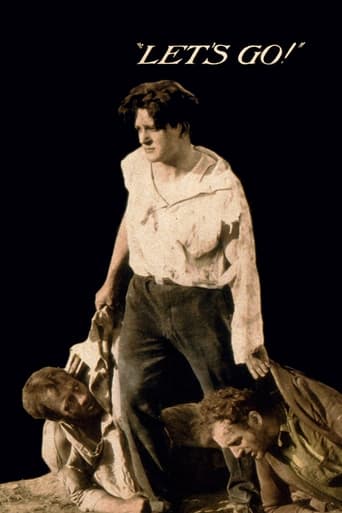
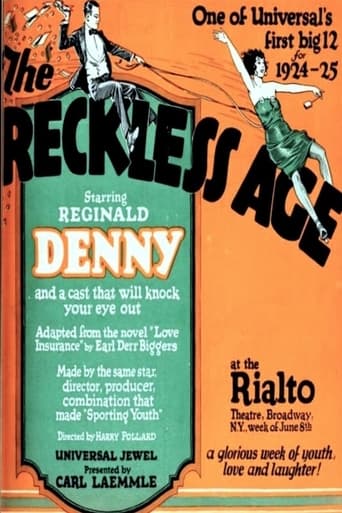
German-American character actor who became a familiar face in silent cinema during the 1910s and 1920s. Born in Essen, Germany, he immigrated to the United States and began his film career around 1915, quickly establishing himself as a reliable supporting actor. Over the course of his career, Steppling appeared in more than 200 films, primarily in character roles that capitalized on his stern, authoritative presence. He frequently portrayed military officers, judges, businessmen, and other figures of authority, bringing gravitas and credibility to every performance. His work in films like The County Fair (1920), Let's Go (1923), and The Reckless Age (1924) demonstrated his versatility and range as an actor. Steppling successfully transitioned from the silent era into early sound films, though his career began to wind down as the 1920s came to a close. His final years were marked by continued character work in Hollywood until his death in 1933, leaving behind a legacy as one of cinema's most prolific character actors of the silent era.
The Craft
On Screen
Steppling was known for his commanding screen presence and ability to convey authority through subtle gestures and facial expressions. His acting style was rooted in the theatrical traditions of his German upbringing, characterized by precise movements and intense focus. He excelled at playing stern, no-nonsense characters who commanded respect and attention, often using minimal dialogue to maximum effect. His performances were marked by a natural gravitas that made him believable as military officers, judges, and other positions of authority.
Milestones
- Appeared in over 200 films during his career
- Established himself as a reliable authority figure in silent cinema
- Successfully transitioned from silent films to early talkies
- Worked with major studios including Universal and Paramount
- Became
Best Known For
Iconic Roles
Must-See Films
Working Relationships
Worked Often With
Studios
Why They Matter
Impact on Culture
John Steppling represented the archetype of the immigrant actor who found success in early Hollywood through hard work and reliability. His German heritage and theatrical training contributed to the sophisticated acting style that helped elevate silent film performances beyond mere pantomime. As. His ability to play authority figures with authenticity reflected America's growing need for order and stability during the tumultuous years of World War I and the Roaring Twenties.
Lasting Legacy
Steppling's legacy lies in his contribution to the foundation of character acting in American cinema. With over 200 film appearances, he set a standard for professionalism and reliability that became the hallmark of successful character actors. His work demonstrated that supporting roles were essential to the success of feature films, paving the way for future generations of character actors. While never a leading man, Steppling's face became familiar to millions of moviegoers, representing the backbone of Hollywood's studio system during its formative years.
Who They Inspired
Steppling influenced subsequent generations of character actors through his example of versatility and professionalism. His ability to play various types of authority figures helped establish tropes and character archetypes that would be used throughout Hollywood history. His successful career as an immigrant actor inspired other European performers to seek opportunities in American cinema. The work ethic he demonstrated in appearing in numerous films each year became a model for character actors in the studio system era.
Off Screen
John Steppling married actress Bertha Mann in 1913, and their marriage lasted until his death in 1933. The couple had one child, John Steppling Jr., who followed in his father's footsteps to become an actor. Steppling was known as a dedicated family man who balanced his prolific film career with his home life in Hollywood. As a German immigrant, he maintained strong ties to his European heritage while fully embracing his American citizenship and career. His personal life was notably free of the scandals and controversies that plagued many of his contemporaries in early Hollywood.
Family
- Bertha Mann (1913-1933)
Did You Know?
- Born in Germany but became a naturalized American citizen
- Appeared in more than 200 films in just 13 years
- Often typecast as authority figures due to his stern appearance
- His son John Steppling Jr. Also became an actor
- Worked with many of the biggest stars of the silent era
- Successfully made the transition from silent films to talkies
- Was a favorite of directors who needed reliable character actors
- Often played military officers, reflecting his disciplined demeanor
- Never received top billing but was highly respected in the industry
- His active years covered the entire golden age of silent cinema
Frequently Asked Questions
Who was John Steppling?
Screen credits include over 200 silent films between 1915 and 1928. He was known for playing authority figures such as military officers, judges, and businessmen, bringing a commanding presence to every role he portrayed.
What films is John Steppling best known for?
Titles linked here include The County Fair (1920), Let's Go (1923).
When was John Steppling born and when did he die?
Born August 8, 1870; died January 5, 1933.
What awards did John Steppling win?
John Steppling did not receive any major awards or nominations during his career, which was typical for character actors of the silent era who often worked without formal recognition despite their significant contributions to films.
What was John Steppling's acting style?
Steppling's acting style was characterized by his commanding presence and ability to convey authority through minimal gestures and intense facial expressions. Rooted in theatrical traditions, he excelled at playing stern, authoritative characters with natural gravitas and credibility.