Films
6 films

About Emory Johnson
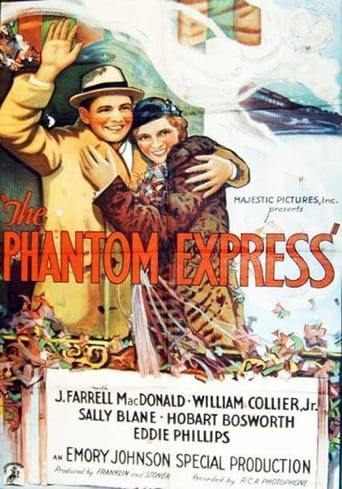
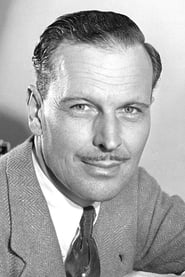
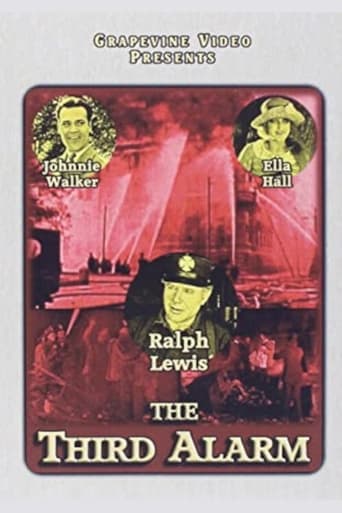
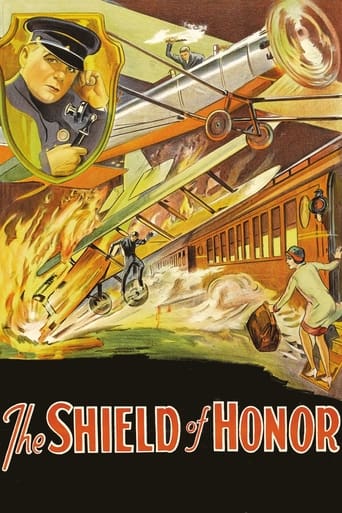
American actor, writer, and director: career bridged the silent era and the early sound period, with his most notable work coming as a director of social-issue melodramas and action-oriented dramas in the 1920s and early 1930s. He first appeared on screen as an actor in the early 1920s, including a credited role in The Sea Lion (1921), but he is better remembered for directing compact, efficiency-minded features that often centered on public-service professions and community heroism. Johnson became especially associated with films built around police, fire, railroad, and civic rescue themes, and his direction emphasized emotional immediacy, moral clarity, and brisk storytelling rather than decorative style. Among his best-known titles are The Third Alarm (1922), The Last Edition (1925), The Shield of Honor (1927), and The Phantom Express (1932), all of which reflect his interest in working-class institutions and high-stakes melodrama. His filmography suggests a filmmaker who understood the popular appeal of suspense, catastrophe, and sentiment, while also trying to give these stories a human, often community-centered dimension. Although he did not become a major long-term studio figure in the way some of his contemporaries did, Johnson left behind a distinctive body of genre films that remain useful to historians studying silent-era storytelling, industrial melodrama, and transitional early talkie production. His career is also notable because he appears to have worked primarily during a relatively compact window, making his surviving films especially important for understanding his contribution to early American cinema.
The Craft
On Screen
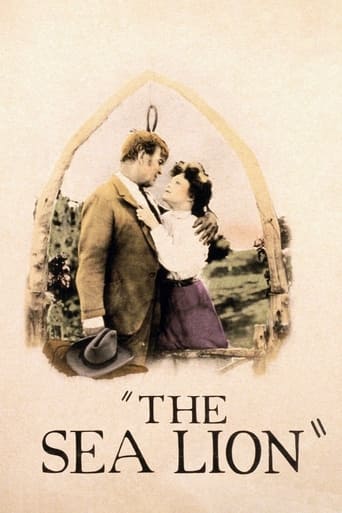
Very limited screen acting evidence survives, but his known work suggests the straightforward, functional performance style typical of early 1920s character players: direct expression, clear emotional signaling, and physical readability suited to silent cinema. Because he is far better documented as a director than as a performer, his acting reputation is relatively modest and does not appear to have been based on star charisma or a highly individualized screen persona. His appearance in The Sea Lion (1921) places him within the conventional silent-era acting tradition where gesture, posture, and visual clarity were central.
Behind the Camera
Johnson's directing style appears to have been practical, fast-moving, and melodramatic, with a strong preference for clear narrative stakes and emotionally legible situations. He often worked with themes involving public service professions, catastrophe response, and institutional heroism, suggesting a directorial interest in communal duty and sensational but morally grounded storytelling. His films typically seem designed for brisk audience engagement rather than elaborate visual experimentation, and he favored compact, accessible storytelling that could deliver suspense and sentiment efficiently. In the silent era and early talkies, this kind of style was especially well suited to action-heavy, topical, or socially resonant subjects.
Milestones
- Appeared as an actor in The Sea Lion (1921), one of his known screen acting credits
- Directed The Third Alarm (1922), a notable silent-era rescue melodrama centered on firehouse heroism
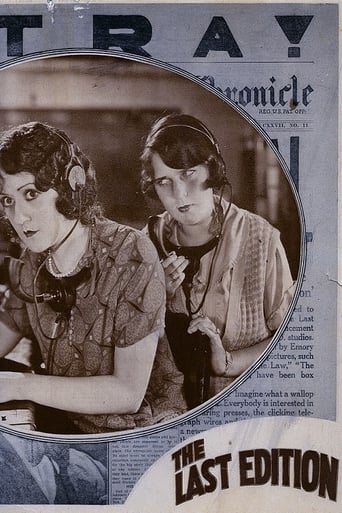
- Directed The Last Edition (1925), reflecting his recurring interest in journalism, urgency, and public service drama
- Directed The Shield of Honor (1927), another example of his civic-duty and law-enforcement themed filmmaking
- Directed The Phantom Express (1932), showing his continued activity into the early sound era
- Built a filmography that consistently emphasized suspense, disaster, and working-class institutions
- Established a niche as a director of efficient, audience-friendly melodramas rather than prestige epics
Best Known For
Iconic Roles
Must-See Films
Why They Matter
Impact on Culture
Emory Johnson contributed to a particularly recognizable strand of silent-era and early sound filmmaking: the civic melodrama built around firefighters, journalists, law officers, and other public servants. His films helped popularize stories that combined danger, emotional uplift, and everyday institutional heroism, making him part of the broader tradition of American social melodrama that connected entertainment with public virtue. While he was not a top-tier auteur whose name became synonymous with a major studio or signature visual movement, his work reflects the period's fascination with machinery, rescue, and the dignity of labor. For historians, Johnson's films are valuable artifacts of how commercial cinema packaged modern urban anxieties and community ideals for mass audiences.
Lasting Legacy
Johnson's lasting legacy lies in the survival and historical interest of his genre-oriented films, especially those that dramatize collective action and emergency response. He occupies an important secondary tier in silent-cinema history: not one of the era's marquee auteurs, but a dependable craftsman whose work illustrates how middle-brow popular cinema functioned in the 1920s and early 1930s. Because his directing career ended relatively early and his filmography is compact, each surviving title has outsized value for reconstructing his artistic profile. His legacy is therefore one of specialization, historical usefulness, and contribution to the development of American rescue and institutional melodrama.
Who They Inspired
Johnson's influence is best understood indirectly, through the continued appeal of the narrative formula he helped sustain: disaster, community response, and heroic public service presented with strong emotional immediacy. Filmmakers working in serial, action, and melodramatic modes later continued to use similar frameworks, though not necessarily in direct acknowledgement of Johnson. His work also demonstrates how early directors could shape popular genre expectations without becoming household names, influencing the broader grammar of suspense-driven mainstream storytelling. In film history, he stands as an example of the many skilled craftsmen whose work helped define silent-era audience taste and early sound genre conventions.
Off Screen
Reliable biographical detail on Emory Johnson's private life is limited in the standard reference material commonly available for silent-era figures of his profile. He is not widely documented as a major celebrity with extensive studio publicity, so information about marriages, children, and family background is often sparse or inconsistent across sources. What is clear is that his professional identity is preserved primarily through his filmography rather than through a heavily publicized personal history. Additional archival research may uncover more about his private life, but based on commonly accessible classic-cinema references, much of that information remains unavailable.
Did You Know?
- He is known both as an actor and a director, though his directing career is much better documented than his acting career.
- The Third Alarm (1922) is one of his best-known titles and reflects his recurring interest in firehouse and rescue narratives.
- His films often focused on civic professions such as firefighters, journalists, police, and railroad workers.
- The Phantom Express (1932) places him in the early sound era after a career that began in silent cinema.
- He appears to have had a relatively compact active period compared with many Hollywood contemporaries.
- His surviving reputation is tied more to genre cinema and social melodrama than to star persona.
- The Sea Lion (1921) is a key reference point for his acting work, since few acting credits are commonly cited.
Frequently Asked Questions
Who was Emory Johnson?
American actor and on YTB.my. He is best remembered for directing melodramas and action-oriented films built around public-service heroism, such as firefighters, police, and journalists.
What films is Emory Johnson best known for?
Titles linked here include The Third Alarm (1922), The Last Edition (1925).
When was Emory Johnson born and when did he die?
Reliable birth and death details are not clearly established in the commonly accessible reference sources available for this profile. As a result, those dates should be treated as unavailable here unless confirmed through archival research.
What awards did Emory Johnson win?
No major awards or nominations are widely documented for Emory Johnson in the standard classic-cinema references available for this entry. His importance is historical and filmographical rather than award-based.
What was Emory Johnson's directing style?
His directing style was practical, brisk, and melodramatic, with an emphasis on clear storytelling and emotionally direct situations. He frequently used high-stakes public-service or institutional settings to create suspense and sentimental payoff.
What is Emory Johnson's legacy in film history?
His legacy lies in his contribution to silent-era and early talkie genre filmmaking, especially civic melodrama and rescue narratives. He is remembered as a capable craftsman whose films reflect the values and popular storytelling methods of early American cinema.