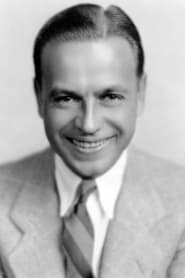
Douglas MacLean
Actor
- Born
- January 10, 1890, Philadelphia, Pennsylvania, USA
- Died
- March 2, 1939
- Active
- 1914-1929
Films 1
About Douglas MacLean
Douglas MacLean was an American silent-film actor, writer, producer, and director whose light comic persona made him one of the popular male stars of the late 1910s and early 1920s. He was born in Philadelphia and began his career in the theater before moving into films, where his affable, clean-cut screen presence suited sophisticated comedy and romantic farce. MacLean became closely associated with Paramount and later formed his own production company, helping him gain unusual creative control for a star of the silent era. He is especially remembered for starring in and often helping shape breezy, urbane comedies that capitalized on his youthful charm rather than broad slapstick. His best-known films include The Rookie, The Inside Story, Let's Be Fashionable, and Someone to Love, and he was also a producer on several of his own vehicles. Although his fame waned with the arrival of sound, he remained an important figure in silent-era comedy and star-centered production practices. MacLean died in 1939, leaving behind a compact but notable film legacy that reflects the tastes of late silent Hollywood.
More about Douglas MacLean
On screen
MacLean's acting style was light, polished, and distinctly non-broad, relying on timing, charm, and an easy physical ease rather than exaggerated slapstick. He often played well-mannered young men or resourceful gentlemen caught in comic complications, and his appeal came from his clean-cut confidence and nimble reactions. His performances were typically rooted in farce and social comedy, with an emphasis on wit, surprise, and romantic attractiveness. He projected a modern, urbane masculinity that fit the postwar silent-comedy marketplace and contrasted with rougher or more anarchic comic styles.
In film history
Douglas MacLean was part of the generation that helped define the suave, commercially reliable silent film comedian who was less anarchic than Chaplin or Keaton and more aligned with sophisticated urban taste. His movies helped demonstrate how a star could be marketed as both performer and producer, anticipating later Hollywood practices in which actors exerted substantial control over their vehicles. He also contributed to the broad popularization of polished romantic comedy in the silent era, offering audiences a light and appealing alternative to heavier melodrama and broad slapstick. While he is not among the most universally remembered names from silent cinema, he was significant in shaping the commercial template for the well-groomed comic leading man.
Later reputation
MacLean's legacy rests primarily in his contribution to silent-era screen comedy and to the early star-producer system. He remains of interest to film historians because his career illustrates how mid-level but highly successful stars operated within and around the studio system, often packaging vehicles that centered their specific screen appeal. His work survives as evidence of the varied comic styles of the silent era, especially the sophisticated, romance-tinged comedy that flourished alongside more famous slapstick traditions. Though his reputation has not endured in mainstream popular culture to the degree of the era's most iconic comedians, he occupies a meaningful place in the history of American silent film.
Influence
MacLean influenced the template of the polished silent-screen comic leading man, especially those whose appeal depended on charm, poise, and a sense of modernity. His career as an actor-producer also exemplified a business model later adopted more widely by performers seeking creative autonomy. He helped normalize the idea that a comedy star could be both the central attraction and the shaping force behind the material, a pattern that would become increasingly important in Hollywood. His films also contributed to the development of urbane romantic comedy as a commercially viable genre in the silent period.
Off screen
Douglas MacLean kept much of his personal life out of the public eye, which was not unusual for silent-era stars whose publicity focused primarily on screen persona. He was married to actress Doris Kenyon, one of the better-known screen and stage performers of the period, and their marriage was a notable Hollywood union of its day. Beyond this association, detailed information about his domestic life, family relationships, and private affairs is comparatively limited in standard film histories. He appears to have lived the life of a working studio star and independent producer rather than that of a scandal-driven celebrity.
Education
Specific formal education details are not widely documented in standard film references. He is generally described as having entered professional entertainment through stage work before film.
Credits
- Became a popular Paramount silent-comedy star in the late 1910s and early 1920s
- Headlined a series of successful star vehicles that showcased his polished comic style
- Helped produce and shape his own films through Douglas MacLean Productions and related ventures
- Starred in notable silent comedies such as The Rookie, The Inside Story, and Someone to Love
- Worked in both comedy and adventure-inflected romantic entertainment, broadening his screen image
- Served as one of the era's examples of a self-styled actor-producer during the studio era
- Transitioned only briefly into the sound period before his screen career ended
Roles
- The resourceful comic hero in The Rookie
- The urbane young man navigating social mishaps in The Inside Story
- The romantic lead in Let's Be Fashionable
- The earnest, good-natured leading man in Someone to Love
- The light-comedy protagonist in various Douglas MacLean star vehicles
Films
- The Rookie (1921)
- The Inside Story (1920)
- Let's Be Fashionable (1920)
- Someone to Love (1928)
- The Home Towners (1928)
- Never Say Quit (1923)
- The Conquest of Canaan (1921)
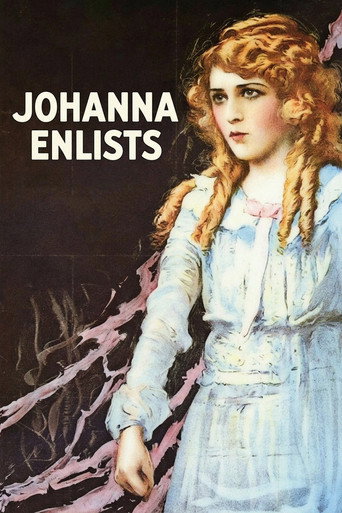
- Johanna Enlists (1918)
Collaborators
- Doris Kenyon
- Allan Dwan
- W. S. Van Dyke
- Wallace Worsley
- J. Gordon Edwards
Studios
- Paramount Pictures
- Douglas MacLean Productions
- Associated First National
- Fox Film Corporation
Family
- Doris Kenyon
Notes
- He was born in Philadelphia, which places him among the many early film figures who came from established East Coast urban centers before moving into the entertainment industry.
- He worked as both performer and producer, giving him more control over his screen image than many silent-era actors enjoyed.
- He was especially associated with comedy vehicles that emphasized wit and charm rather than slapstick chaos.
- His wife, Doris Kenyon, was herself a screen and stage actress, making them a notable entertainment-industry couple.
- He is remembered by film historians more for his contribution to silent comedy and production practice than for a later sound-film career.
- He appeared in Johanna Enlists (1918), an early credit from the period when he was establishing his film persona.
- His career illustrates how many silent-era stars peaked before sound and then faded quickly as the industry changed.
- Because he also produced films, his name appears in multiple behind-the-camera capacities in filmographies.
- He is not widely known for awards, but his commercial success made him a recognizable star in his day.
Questions
Who was Douglas MacLean?
Douglas MacLean was an American silent-film actor, producer, writer, and occasional director best known for his light comic leading-man roles. He became a recognizable star in the late 1910s and early 1920s and was admired for his polished, easygoing screen presence.
What films is Douglas MacLean best known for?
He is best known for silent comedies and romantic farces such as The Rookie, The Inside Story, Let's Be Fashionable, Never Say Quit, The Conquest of Canaan, and Someone to Love. These films showed off his charm, comic timing, and appeal as a sophisticated screen hero.
When was Douglas MacLean born and when did he die?
Douglas MacLean was born on January 10, 1890, in Philadelphia, Pennsylvania, USA. He died on March 2, 1939.
What awards did Douglas MacLean win?
No major awards or nominations are widely documented for Douglas MacLean in standard historical references. Like many silent-era stars, his recognition came primarily through box-office success and contemporary popularity rather than formal awards.
What was Douglas MacLean's acting style?
His style was polished, charming, and understated, with an emphasis on timing and likability rather than broad slapstick. He typically played affable, well-dressed young men involved in comic complications, making him a strong fit for urbane silent comedy.
What was Douglas MacLean's legacy in film history?
His legacy lies in helping define the sophisticated silent-comedy leading man and in showing how a star could also function as a producer of his own material. He remains a useful example of the many successful but now less famous performers who shaped the commercial grammar of Hollywood before sound.