Thelma Salter
Actor
- Active
- 1920-1920
Films 1
About Thelma Salter
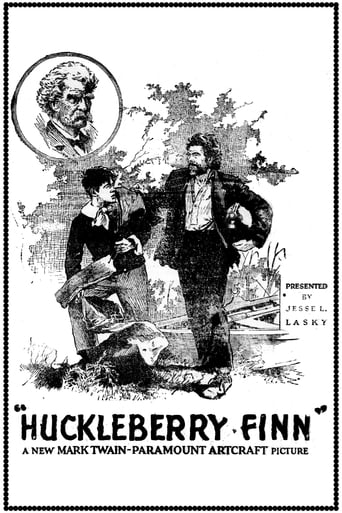
Thelma Salter was a child actress in the silent era, best remembered for her appearance in the 1920 screen adaptation of Huckleberry Finn. Like many juvenile performers of the period, she worked at a time when child actors often appeared in only a small number of films and were not always credited consistently in surviving records. Her known film career appears to be extremely brief, and available evidence points to 1920 as her only documented active screen year. Because studio-era documentation for minor and juvenile silent performers is often sparse, many details of her broader life and later career are not reliably preserved in standard reference sources. She is therefore chiefly remembered today as one of the many young performers who contributed to early American cinema's literary adaptations and frontier-and-boyhood storytelling traditions. Her presence in Huckleberry Finn places her within the long silent-film tradition of adapting Mark Twain for the screen, a genre that helped define early feature filmmaking. Beyond that single surviving credit, her later life and full biographical arc remain undocumented in readily verifiable classic-cinema references.
More about Thelma Salter
On screen
As a silent-era child performer, Thelma Salter's acting would have relied on expressive facial cues, body language, and naturalistic reactions suited to early screen melodrama and literary adaptation. No surviving critical descriptions of her individual style are readily documented, so any characterization must remain general to the practices of silent juvenile performers. In a production such as Huckleberry Finn, a young actor would typically be directed toward clear, readable emotions and simple, sincere behavior rather than highly stylized theatrics. Her performance context suggests the understated, presentational style common to child roles in late silent cinema.
In film history
Thelma Salter's cultural impact is modest but historically meaningful as part of the large class of child performers who helped populate silent cinema's family-friendly literary adaptations. Her credited appearance in Huckleberry Finn connects her to one of the foundational American literary texts repeatedly brought to the screen, demonstrating how early filmmakers used young actors to translate beloved books into visual storytelling. Even when individual credits are sparse, performers like Salter contributed to the texture and authenticity of silent-era productions, especially in stories centered on youth, adventure, and regional American life. Her presence in the historical record also underscores how many silent-film artists—particularly women and children—remain only partially documented, making surviving credits important to film history and archival preservation.
Later reputation
Thelma Salter's legacy lies less in a widely documented star persona than in her place within the surviving record of early American silent film. As a credited performer in a 1920 adaptation of Huckleberry Finn, she forms part of the chain of interpreters who brought Mark Twain's characters to the screen in the formative years of feature filmmaking. Her career illustrates how many silent-era child actors were visible in the moment yet later receded from public memory because of incomplete documentation and the fragility of film history. For modern researchers and database compilers, her surviving credit is valuable evidence of the people who helped build the silent-era screen world, even when only a single role is now easily verifiable. In that sense, her legacy is archival as much as artistic: she remains one of the many names that help map the breadth of early cinema beyond its best-known stars.
Influence
There is no evidence that Thelma Salter directly influenced later actors or filmmakers in a documented, traceable way. Her influence is better understood indirectly, through the broader tradition of silent child acting and the adaptation of classic children's literature on screen. Performers like her helped establish screen conventions for youthful innocence, adventure, and emotional clarity that continued into later eras of family filmmaking. Her historical value also lies in reminding later scholars how many early performers shaped film culture without receiving the enduring recognition granted to major stars.
Off screen
Reliable biographical information about Thelma Salter's personal life is not readily available in standard classic-cinema references. Her birth details, family background, marriages, and later-life activities are not well documented in the surviving public record commonly used for vintage film research. Because of the scarcity of preserved studio-era documentation for lesser-known child actors, it is not possible to state with confidence whether she continued in entertainment, married, or pursued another profession later in life. Any fuller account would require archival research in trade papers, census records, or studio files.
Credits
- Appeared in the silent feature Huckleberry Finn (1920)
- Worked as a child performer during the silent-film era
- Participated in one of the era's notable literary adaptations of a Mark Twain work
Roles
- A child role in Huckleberry Finn (1920)
Films
- Huckleberry Finn (1920)
Notes
- Thelma Salter is primarily documented through her 1920 credit in Huckleberry Finn.
- She appears to have had an extremely brief screen career, at least in surviving standard filmographies.
- Her surviving credit places her in the silent-film period, before synchronized sound transformed acting styles and studio practices.
- Huckleberry Finn adaptations were a recurring feature of early American cinema, and her role connects her to that adaptation tradition.
- As a child actor, she would have performed in an era when juvenile roles were often treated as supporting color rather than heavily promoted star turns.
- Her personal biography is unusually sparse compared with major silent-era players, which is common for minor and child performers of the period.
- She is an example of how many silent-era actors are known today primarily from cast lists rather than publicity campaigns or extensive archival materials.
Questions
Who was Thelma Salter?
Thelma Salter was a silent-era actor, best known for appearing in Huckleberry Finn (1920). Surviving records suggest she was a child performer whose screen career was brief and not extensively documented.
What films is Thelma Salter best known for?
She is best known for Huckleberry Finn (1920), which appears to be her principal surviving screen credit. No additional films are reliably documented in the information currently available.
When was Thelma Salter born and when did she die?
Her birth date and death date are not readily available in standard classic-cinema references. Likewise, her birth place and later-life details are not well documented in surviving public sources.
What awards did Thelma Salter win?
No awards or nominations are documented for Thelma Salter in the available historical record. As with many lesser-known silent-era child actors, her recognition appears to have been limited to her screen credit rather than formal honors.
What was Thelma Salter's acting style?
Her acting style would have followed silent-era conventions, emphasizing facial expression, gesture, and clear emotional readability. Because no detailed contemporary critical description survives, this is inferred from the performance norms for child actors in early silent cinema.
What is Thelma Salter's legacy in film history?
Her legacy is primarily archival: she represents the many early film performers whose names survive in cast lists even when their biographies do not. Her credit in Huckleberry Finn links her to the history of silent literary adaptation and the broader development of American feature filmmaking.