Tom Bates
Actor
- Active
- 1920-1920
Films 1
About Tom Bates
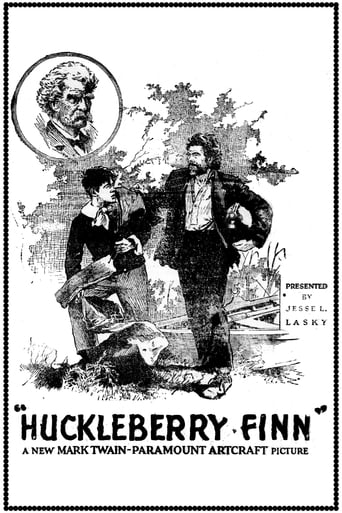
Tom Bates was a very obscure early screen performer credited in the silent-era film Huckleberry Finn (1920), but surviving reference sources provide only minimal information about his life and career. He appears in historical filmographies as an actor active in 1920, suggesting he worked during the silent film period, but no substantial biographical record has survived in standard reference sources. Because of the scarcity of documentation, it is difficult to determine whether he had a broader stage or film career beyond this credit, or whether this was his only known screen appearance. He should be understood as one of the many minor or supporting players whose names survive in cast lists even when their personal histories have been lost to time. At present, no reliable evidence confirms his birth date, death date, birthplace, family background, or later career. His historical significance lies primarily in his presence in an early adaptation of a major American literary work and in the broader record of silent-cinema casting rather than in a documented star career.
More about Tom Bates
In film history
Tom Bates's cultural impact is indirect and primarily archival rather than celebrity-based. He is part of the surviving cast history of silent American cinema, where even small credited roles help modern researchers reconstruct how films were made and who participated in them. His presence in Huckleberry Finn (1920) ties him to the long tradition of Mark Twain adaptations, an important strand in early U.S. motion-picture storytelling. Although there is no evidence that he shaped film culture as a star or creative force, his credit contributes to the preservation of silent-era personnel records and the broader social history of early Hollywood labor. In that sense, his significance lies in the documentation of the film industry itself, where many performers were essential to production yet remained largely anonymous in later historical memory.
Later reputation
Tom Bates's lasting legacy is the fact that his name survives in connection with an early silent-film adaptation of a foundational American novel. For historians, such names matter because they reveal the breadth of participation in the silent era and remind us that film history is not made only by the famous. His record underscores how many early performers have become nearly invisible due to incomplete documentation, lost publicity materials, and the ephemerality of silent-era stardom. As a result, his legacy is less about fame than about historical traceability: he remains part of the credit trail that helps scholars study early cinema production, casting practices, and adaptation history. If further archival material emerges, his profile may become clearer, but at present he is remembered chiefly as a surviving name from 1920 film history.
Influence
There is no documented evidence that Tom Bates directly influenced other performers or filmmakers in a measurable way. However, his inclusion in early film credits contributes to the historical record that later scholars and archivists rely on when studying silent-era casting and production networks. In this broader sense, his name helps illustrate the many working actors who sustained the industry even when they did not achieve long-term fame. His influence is therefore archival and contextual rather than stylistic or personal.
Off screen
No reliable biographical information about Tom Bates's personal life has been verified in surviving standard film reference sources. Details such as marriages, children, residence, education, occupation outside film, or family background are not currently documented in accessible classic-cinema references. As with many minor silent-era performers, his private life appears to have left little trace in the historical record. Any claims beyond his film credit would be speculative, so they are not included here.
Credits
- Credited screen appearance in the silent film Huckleberry Finn (1920)
- Participation in an early cinematic adaptation of Mark Twain's classic novel
- Documented presence in film-era cast records from the silent period
- Representation of the many lesser-known character and supporting performers working in early Hollywood
- A surviving film credit that preserves his name in early American cinema history
Roles
- Role in Huckleberry Finn (1920) not reliably identified in surviving reference material
Films
- Huckleberry Finn (1920)
Notes
- Tom Bates is best known to modern film researchers only through his credit in Huckleberry Finn (1920).
- He is an example of a silent-era performer whose biographical details are largely lost to history.
- His surviving record highlights how many early film actors never became major stars but still contributed to important productions.
- The 1920 Huckleberry Finn adaptation connects him to one of the most frequently filmed works of American literature.
- Because of the limited documentation, it is not possible to confidently identify his birthplace, family, or later life.
- He should not be confused with later or similarly named individuals outside classic cinema.
Questions
Who was Tom Bates?
Tom Bates was a very obscure silent-era actor credited in Huckleberry Finn (1920). Beyond that film credit, standard reference sources preserve little verified information about his life or career.
What films is Tom Bates best known for?
He is best known for Huckleberry Finn (1920), which is the only reliably documented screen credit currently associated with him. No additional confirmed filmography is available in the surviving record.
When was Tom Bates born and when did he die?
His birth and death dates are not currently documented in accessible classic-cinema reference sources. The same is true of his birthplace and the details of his later life.
What awards did Tom Bates win?
No awards or nominations are documented for Tom Bates. This is consistent with the limited record that survives for many minor silent-era performers.
What was Tom Bates's acting style?
His acting style is not preserved in reliable historical descriptions. Since his career documentation is extremely limited, there are no surviving reviews or analyses that allow for a confident assessment of his screen technique.
What is Tom Bates's legacy in film history?
His legacy is primarily archival: he remains part of the historical record of silent cinema through his credit in Huckleberry Finn (1920). That kind of documentation helps scholars reconstruct early film casting and the broader ecosystem of silent-era production.