1929 · Approximately 75-80 minutes; exact surviving runtime varies by source

Also available on: Wikimedia Archive.org
Lucky Boy

Lucky Boy

1929 Approximately 75-80 minutes; exact surviving runtime varies by source United States

"There is no reliably documented original marketing tagline widely preserved for this film."

Pursuit of artistic ambitionFather-son conflictImmigrant or Jewish family identityShow business aspirationSelf-assertion versus family duty

Plot

Johnny is a young Jewish man who is expected to remain in his father's jewelry business, but he is far more drawn to the stage and the life of a performer. Determined to prove that he can succeed in entertainment, he plans and mounts his own theatrical show, hoping that a visible public triumph will win his father’s approval. His ambition, however, brings him into conflict with family expectations, romantic entanglements, and the practical realities of producing a show. As the production unfolds, Johnny must confront whether he is truly prepared for a performer’s life and whether success can be measured in applause alone. The story blends backstage aspiration with melodrama and romantic-comedy elements typical of the late silent/early sound transition era.

About the Production

Release Date 1929
Production United Artists
Filmed In United States studio production; specific filming locations are not reliably documented

Lucky Boy was made during the volatile transition from silent cinema to synchronized sound, and it belongs to the cycle of early talkies built around performance, song, and stage personalities. The film stars vaudeville and Broadway performer George Jessel, whose appeal was closely tied to his stage persona and musical delivery, making him a logical choice for a story about an aspiring entertainer. As with many films of the period, surviving production records are incomplete, and detailed shooting logs, budget figures, and location data have not been consistently preserved. The film is especially notable as an example of how Hollywood adapted musical-comedy and ethnic stage material for the early sound market.

Historical Background

Lucky Boy was produced in 1929, at the peak of the first great sound-film boom and just before the full onset of the Great Depression. This was a moment when studios were racing to incorporate dialogue, popular songs, and stage talent into motion pictures, and audiences were eager for stories that showcased the novelty of hearing performers sing and speak on screen. The film also sits within a broader historical pattern of ethnic and immigrant-family narratives in American popular entertainment, especially stories involving a young man negotiating inherited expectations and modern show business aspirations. In that sense, it is a product of both the early talkie revolution and the era's fascination with upward mobility through entertainment, a theme that would remain central in American cinema for decades.

Why This Film Matters

Although Lucky Boy is not among the most famous films of the period, it is culturally significant as an early sound-era example of a Jewish show-business narrative centered on ambition, family, and performance. It captures a transitional moment when Hollywood was absorbing vaudeville and Broadway traditions into the new medium of sound film, and it reflects the importance of stage entertainers like George Jessel in that process. The film also contributes to the lineage of backstage musicals and performer-aspiration stories, helping establish a pattern that later films would refine into a major Hollywood genre. For historians, it is valuable as a document of how late-1920s American cinema negotiated ethnic identity, modern entertainment culture, and the technical shift to synchronized sound.

Making Of

Little detailed behind-the-scenes information survives in standard public reference sources, but the film’s existence makes sense in the context of 1929 studio strategy: the industry was actively converting popular stage material and recognizable performers into screen attractions. George Jessel was valuable to the production because he brought a ready-made identity as a singer and comic performer, which helped sell the film to audiences still adjusting to talking pictures. Norman Taurog, still in the early phase of his long career, worked in a period when directors had to balance camera movement, dialogue recording, and musical presentation with the technical limitations of early sound equipment. The lack of surviving production documentation means that many details about rehearsals, set design, and editing are not widely preserved, but the film clearly reflects the era’s fascination with backstage ambition, family conflict, and performance as a route to self-making.

Visual Style

The film’s visual style would have been shaped by the technical constraints of late-1920s sound production, which often required relatively static framing, careful blocking, and clear staging for recorded dialogue and musical numbers. Early talkies frequently favored frontally staged scenes and longer takes so that performers could be heard clearly, and Lucky Boy likely reflects that approach. As a backstage and romantic comedy-drama, the film would have balanced performance spaces, domestic interiors, and theatrical settings, allowing the camera to emphasize the contrast between family life and public performance. Detailed cinematographic credits and specific stylistic analyses are not widely documented in general sources, but the film is representative of the era’s transitional look.

Innovations

The film’s principal technical significance lies in its participation in the early synchronized-sound movement rather than in any single breakthrough innovation. It exemplifies the practical challenges of 1929 production, when filmmakers were learning how to record dialogue and music cleanly while still telling a visually coherent story. Its value to film history comes from showing how studios used performance-centered narratives to exploit sound technology and to capitalize on stage talent. It does not appear to be associated with a specific technological first, but it is an instructive artifact of the industry's rapid adaptation to talking pictures.

Music

Because Lucky Boy was made in 1929, music and vocal performance were central to its appeal, and George Jessel’s singing and stage delivery would have been an important attraction. The film belongs to the early sound period when songs were often integrated as performance pieces rather than as fully integrated musical storytelling in the later Hollywood sense. Specific cue sheets, published song lists, or complete soundtrack documentation are not consistently available in public reference sources. Nevertheless, the musical dimension is essential to its identity, since the plot itself is built around the protagonist’s desire to become an entertainer.

Famous Quotes

No reliably documented surviving quotes are widely preserved for this film in standard reference sources.
The film is remembered more for its premise and era than for widely circulated dialogue quotations.

Memorable Scenes

  • The young protagonist’s decision to abandon the security of the family jewelry business in favor of a life in entertainment.
  • The staging of his self-produced show as a make-or-break attempt to prove his talent to his father.
  • The scenes in which family expectations and performance ambitions collide, underscoring the film’s central emotional conflict.

Did You Know?

  • Lucky Boy is one of the early sound-era vehicles for George Jessel, who was already well known as a comedian, singer, and stage performer before the film was made.
  • The film centers on a Jewish family and an entertainment career storyline, reflecting a recurring theme in Jessel's stage work and screen persona.
  • Norman Taurog went on to become one of Hollywood's most prolific directors and later won an Academy Award for directing Skippy.
  • Because the film dates from 1929, it belongs to the period when studios were experimenting with how much sound, music, and spoken dialogue to include in films marketed as musicals or semi-musicals.
  • Documentation on the film is comparatively sparse, which is common for many late-1920s pictures that did not become major classics.
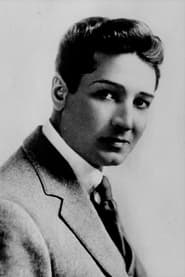
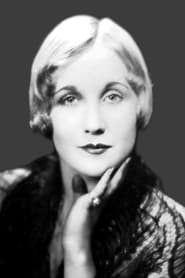
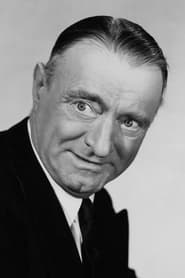
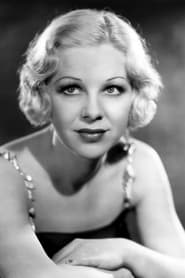
  • The cast includes Gwen Lee, a familiar Paramount-era supporting actress, and Richard Tucker, a veteran character actor often seen in family and romantic roles.
  • The film’s plot of a young man trying to win parental approval through show business would later become a familiar template in musical and backstage comedies.
  • Lucky Boy is often cited in film reference sources because of its association with the early career of Norman Taurog rather than because of extensive contemporary critical fame.
  • Surviving print status is not well documented in general circulation sources, which makes the film of interest to preservation researchers and silent/early sound historians.
  • Like many films of the period, it reflects the industry’s quick turn toward performers with established stage audiences as Hollywood sought to exploit the new sound medium.

What Critics Said

Contemporary critical coverage is not extensively preserved in widely available modern reference sources, but the film was part of a crowded market of early sound pictures competing for attention in 1929. Like many transitional films, its reputation has been overshadowed by better-remembered musicals and by later careers of its cast and director. Modern evaluation tends to frame it less as a canonical classic and more as an instructive artifact of the period, especially for scholars interested in George Jessel, Norman Taurog, and the evolution of early talkies. Its critical profile today is therefore modest, with interest concentrated in historical context, performance style, and preservation status rather than in universal acclaim.

What Audiences Thought

Specific audience metrics are not reliably documented in surviving public sources, but the film was designed to appeal to viewers who enjoyed musical entertainment and stage personalities in the early sound era. George Jessel’s existing fan base from vaudeville and Broadway likely formed part of its audience appeal, and the film’s family-and-show-business premise would have been accessible to mainstream moviegoers. Because it did not become a long-running classic, it appears to have had only limited lasting popular visibility compared with the major musical hits of the time. Today, audience interest is primarily among classic-film enthusiasts, George Jessel admirers, and researchers of early sound cinema.

Film Connections

Influenced By

  • Vaudeville performance traditions
  • Broadway musical-comedy structure
  • Backstage show-business stories popular in 1920s entertainment
  • Jewish family melodramas common in American stage and screen material

This Film Influenced

  • Later backstage musicals centered on ambitious performers
  • Later Jewish show-business narratives in American cinema
  • Family-versus-fame musical dramas of the 1930s and beyond

Film Restoration

Preservation status is not consistently documented in widely available sources. The film is known to survive in reference databases and archival listings, but complete public information about restoration or current archival condition is not readily confirmed.

Themes & Topics

jewelry businessaspiring entertainerfamily conflicttheatrical showfather approvalromanceearly sound musical