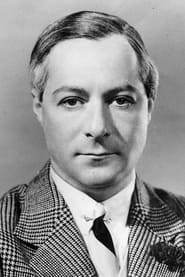
George Jessel
Actor
- Born
- April 3, 1898, New York City, New York, United States
- Died
- May 24, 1981
- Active
- 1900s-1970s
- Birth name
- George Albert Jessel
Films 1
About George Jessel
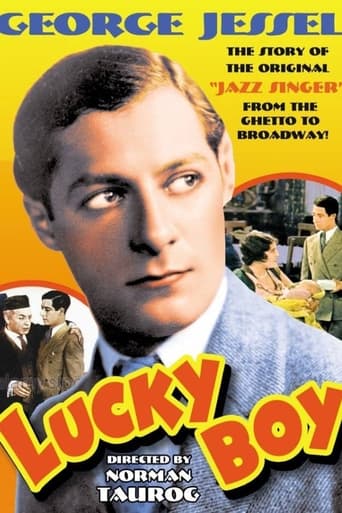
George Jessel was an American entertainer, actor, singer, songwriter, comedian, and producer whose career bridged vaudeville, Broadway, radio, records, and early sound cinema. Born in New York City, he was already a seasoned show-business personality by the time talking pictures arrived, and he became one of the early stars whose stage-trained delivery fit the new sound era. In film, he is especially remembered for Lucky Boy (1929), one of the notable early talkies that showcased his sentimental, urban, wisecracking persona and his ability to carry a picture with personality rather than physical spectacle. Although his motion-picture career was not as sustained as his stage and radio work, Jessel remained a prominent public figure for decades, known as much for his humor, show-business authority, and frequent commentary on entertainment culture as for specific film roles. He was closely associated with the phrase and tradition of the 'master of ceremonies' style of performance, and his name became synonymous with self-assured Broadway-bred wit. Jessel also appeared in later films and television as a nostalgic representative of earlier entertainment eras, reinforcing his image as a veteran of the old vaudeville world. His long career made him one of the recognizable links between the world of nineteenth-century-style variety entertainment and twentieth-century mass media.
More about George Jessel
On screen
Jessel's acting style was rooted in vaudeville, burlesque timing, and Broadway polish, with an emphasis on verbal rhythm, confidence, and direct audience address. He was especially effective in early sound films because his persona depended on quick speech, song, and a lively stage presence rather than silent-era visual subtlety. His performances often projected authority, comic assurance, and an affable self-importance that made him seem like a natural emcee or raconteur. Rather than disappearing into roles, he frequently performed as a heightened version of himself or a recognizable urban entertainer type, which gave his screen work a personal, conversational quality.
In film history
George Jessel had a notable cultural impact as one of the entertainers who helped carry the energy of vaudeville into the age of sound film. His screen image mattered less for transformation through acting technique than for what it represented: a new kind of performer whose voice, timing, and personality became central once movies could talk. In that sense, he stands as part of the generation that made early talkies feel contemporary and urban, rather than silent and pantomimic. Beyond film, his work in radio, records, clubs, and ceremonies made him a recognizable emblem of old New York show business, and his public persona helped define the entertainer as a witty, fast-talking, self-aware host.
Later reputation
Jessel's legacy lies in his place as a transitional figure between vaudeville and modern media celebrity. He is remembered today less for a large filmography than for the importance of Lucky Boy and for his broader contribution to the entertainment culture of the early sound era. His career demonstrates how many classic-cinema personalities were multitalented showmen whose influence extended beyond the number of films they made. Film historians often regard him as part of the infrastructure of early talkies: a performer whose stage-trained voice and confidence helped audiences accept the new technology and its new performance style. His long life also made him an enduring memory-keeper of show-business history, one of the last famous links to the pre-Hollywood popular-entertainment world.
Influence
Jessel influenced later emcees, comic hosts, nightclub performers, and television personalities who adopted the fast-talking, self-assured, show-business-savvy style he popularized. His ability to project authority while remaining approachable became a template for entertainers who needed to command a room or a broadcast audience. In film history, he also represents the kind of stage star whose presence helped early sound cinema find its voice, even if he did not become a long-term leading man. His example shows how performance traditions from vaudeville migrated into radio, records, and film, shaping the tone of American entertainment for decades.
Off screen
George Jessel was a highly public figure whose personal life often attracted press attention because of his marriages, celebrity friendships, and outspoken personality. He was known as a brash, witty, and sometimes controversial presence in the entertainment world, with a reputation for mixing showmanship, self-promotion, and old-school theatrical polish. His life intertwined with the social world of Broadway and Hollywood, and he remained active in public life long after his peak as a film performer. He was married multiple times and had children, and his family life was frequently reported in the popular press of the day. Jessel also became known for his friendships and professional relationships with many major figures in entertainment and for preserving the traditions of early twentieth-century show business.
Education
He was educated in New York City and was shaped more by stage experience than formal higher education. Like many vaudeville-era performers, his real training came from performance circuits, practical stage work, and exposure to the world of live entertainment at a young age.
Credits
- Became a popular vaudeville and Broadway performer before entering films, helping to carry stage-style comic delivery into early sound cinema
- Starred in Lucky Boy (1929), his best-known film role and an important early talkie showcase
- Developed a long-running reputation as a master of ceremonies and entertainer in radio, stage, nightclub, and television work
- Served as host and commentator at public entertainment events, becoming one of the most visible celebrity personalities of mid-century American show business
- Remained a familiar presence in retrospective appearances and nostalgic entertainment programming late in life
Roles
- The title-role figure in Lucky Boy, an early talkie vehicle built around his stage persona
- Master of ceremonies and entertainment host roles associated with his later career
- The wisecracking, self-confident New York showman persona that he repeated across stage, radio, and screen
Films
- Lucky Boy (1929)
- The Jazz Singer (1927) is often associated with the era and type of performer he represented, though he was not the star of that film
- Variety Girl (1947)
- The Eddie Cantor Story (1953)
Honors
- Recognized for decades of service as a major American entertainer across multiple media
- Remembered as an important transitional figure from vaudeville and Broadway to sound film
- Widely honored informally by the entertainment industry as a veteran show-business personality
Collaborators
- Broadway and vaudeville performers of the early sound era
- Entertainment hosts and producers involved in radio and television variety programming
- Norma Talmadge, through his marriage and social ties to silent-era screen circles
Studios
- Fox Film Corporation
- Independent and stage-to-screen productions associated with the early sound era
- Various radio and television production companies during his later career
Family
- Norma Talmadge (1934-1935)
- Beverly Jainus (dates not consistently documented in readily available sources)
- Joan Woodbury (1940s; marriage details vary by source)
- Marjorie Penney (later marriage)
Notes
- He was nicknamed the 'Toastmaster General of the United States' because of his reputation as an emcee and public entertainer.
- He was a major figure in vaudeville long before he became associated with early sound films.
- Lucky Boy (1929) is the film most strongly identified with his movie career.
- He was married to silent-film star Norma Talmadge, tying him directly to one of Hollywood's most famous screen families.
- He worked extensively in radio and nightclub entertainment, often playing versions of his own public persona.
- He was known for witty, often opinionated commentary on entertainment and celebrity life.
- His career spanned multiple eras of American popular entertainment, from the age of live vaudeville to television nostalgia programs.
Quotes
I do not have a confirmed, widely documented quotable line from George Jessel that can be reliably reproduced here without risking misattribution.
He was famous for epigrammatic, self-promotional one-liners in performance, but exact wording varies widely across sources and reminiscences.
Questions
Who was George Jessel?
George Jessel was an American actor, singer, comedian, and vaudeville star who became one of the most recognizable show-business personalities of the early sound era. He is best remembered in film history for Lucky Boy (1929), but his career was much broader, spanning Broadway, radio, records, nightclubs, and television.
What films is George Jessel best known for?
His best-known film is Lucky Boy (1929), which is the key title associated with his motion-picture career. He is also remembered for later appearances such as Variety Girl (1947) and The Eddie Cantor Story (1953), though these were more supporting or nostalgic uses of his persona than star vehicles.
When was George Jessel born and when did he die?
George Jessel was born on April 3, 1898, in New York City, New York, United States. He died on May 24, 1981, after a long and highly public career in American entertainment.
What awards did George Jessel win?
No major competitive film awards are prominently documented for George Jessel in the classic cinema period. His recognition came more from his status as a major entertainer, a veteran of vaudeville and early talkies, and a widely honored show-business institution.
What was George Jessel's acting style?
Jessel's style was built on vaudeville timing, crisp delivery, and a confident, conversational persona. He was especially well suited to early sound films because his performances depended on voice, rhythm, and personality rather than silent-era physical expressiveness.
What is George Jessel's legacy in film history?
His legacy is that of a transitional performer who helped link vaudeville and Broadway traditions with the new world of talking pictures. He is remembered as an early sound-era personality whose stage-trained voice and public charisma helped define what a modern showman could be on screen and off.