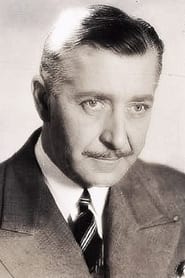
Richard Tucker
Actor
Born: June 4, 1884 in Brooklyn, New York, USA Died: December 8, 1942 Active: 1911-1940
Films
12 films
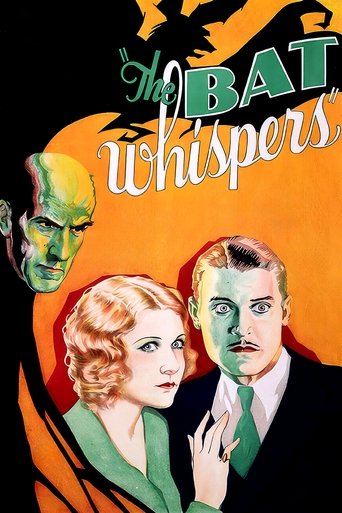
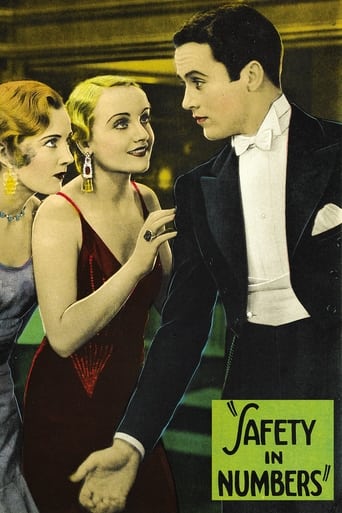
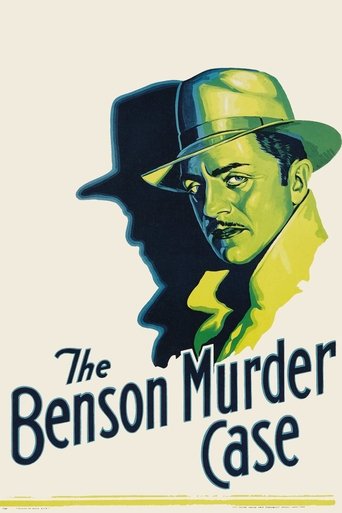
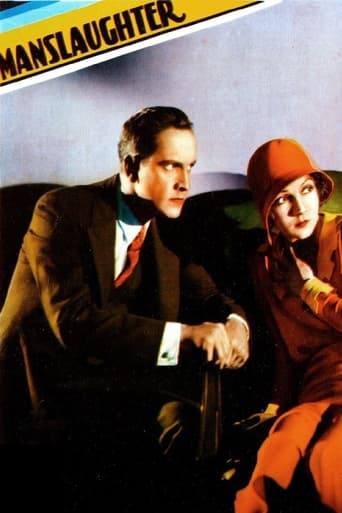
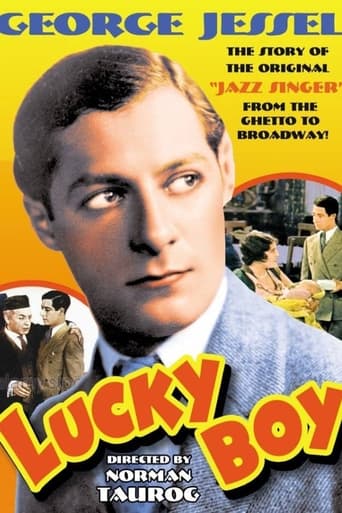
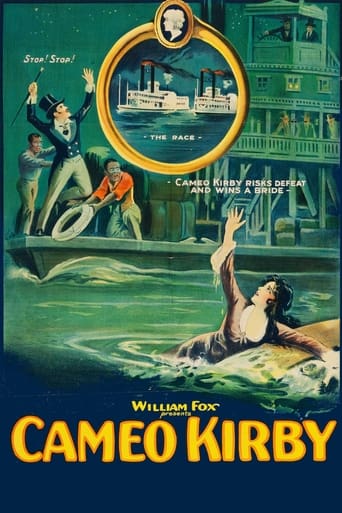
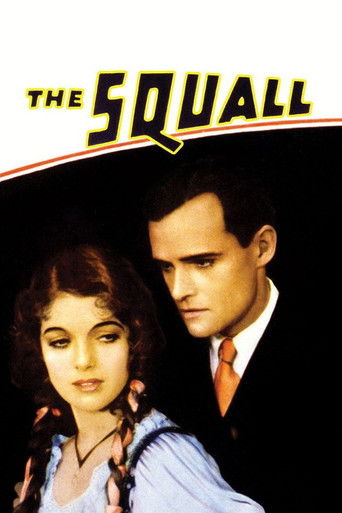
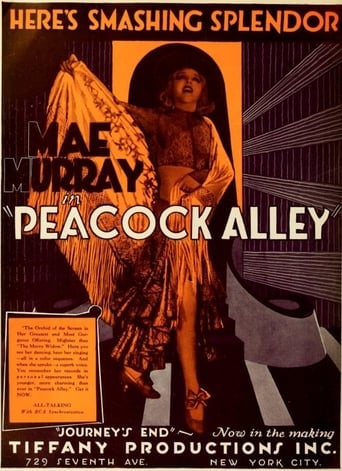
About Richard Tucker
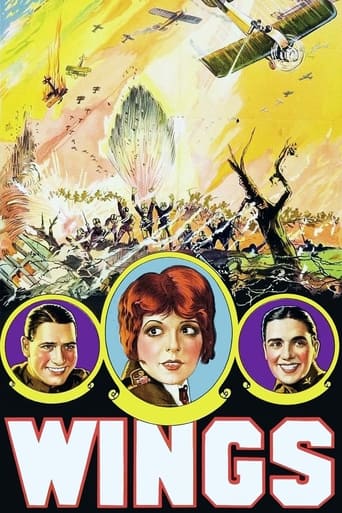
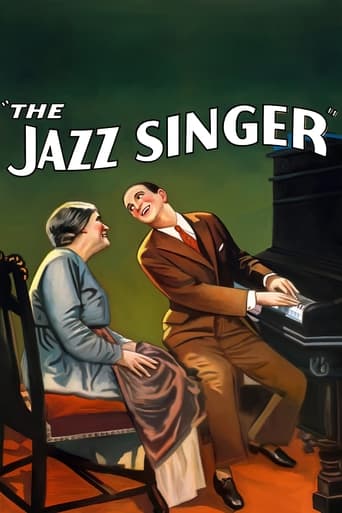
Prolific American character actor: the silent film era and the transition to sound pictures. Born in Brooklyn, New York, he began his film career in the early 1910s and appeared in over 260 films throughout his three-decade career. Tucker specialized in portraying authority figures, often playing doctors, lawyers, military officers, and businessmen with a presence. His most notable work came during the mid-1920s when he appeared in several historically significant films. Tucker had supporting roles in both Wings (1927), the first film to win the Academy Award for Best Picture, and The Jazz Singer (1927), the revolutionary feature that popularized sound in cinema. Despite his extensive filmography, he remained primarily a supporting actor rather than a leading man. His career gradually declined in the 1930s as he transitioned to smaller, often uncredited roles in the sound era. Tucker passed away in 1942 at the age of 58, leaving behind a legacy as one of Hollywood's most recognizable character faces during the golden age of silent cinema.
The Craft
On Screen
Richard Tucker was known for his dignified, authoritative presence on screen, often portraying professionals and figures of respectability. His acting style was typical of the silent era, emphasizing clear facial expressions and gestures to convey emotion and character. Tucker had a natural gravitas that made him particularly convincing in roles as doctors, lawyers, military officers, and businessmen. While not a method actor by modern standards, he brought consistency and reliability to his performances, making him a valuable supporting player. His transition to sound films was relatively smooth due to his clear diction and stage-trained voice.
Milestones
- Appeared in Wings (1927), first Academy Award Best Picture winner
- Had supporting role in The Jazz Singer (1927), first feature film with synchronized dialogue
- Appeared in over 260 films during his career
- Transitioned successfully from silent films to early talkies
- Became one of Hollywood's most recognizable character actors of the 1920s
Best Known For
Iconic Roles
Must-See Films
Accolades
Special Recognition
- Contributed to the first Academy Award Best Picture winner (Wings, 1927)
Working Relationships
Worked Often With
Studios
Why They Matter
Impact on Culture
Richard Tucker's cultural impact lies primarily in his participation in two of the most historically significant films of early cinema. His appearance in Wings (1927) places him in the inaugural Academy Award Best Picture winner, marking him as part of cinema history. Similarly, his role in The Jazz Singer (1927) makes him a contributor to the film that revolutionized the industry by introducing synchronized dialogue. While never a star, Tucker represented the backbone of Hollywood's studio system - the reliable character actors who gave authenticity and depth to supporting roles. His extensive filmography provides a valuable record of the types of characters and storytelling techniques prevalent during the transition from silent films to talkies.
Lasting Legacy
Richard Tucker's legacy is that of a quintessential Hollywood character actor who worked during one of cinema's most transformative periods. His participation in over 260 films makes him part of the fabric of early American cinema history. While not remembered as a star, his contributions to landmark films like Wings and The Jazz Singer ensure his place in film history books. Tucker represents the thousands of working actors who formed the foundation of Hollywood's golden age, bringing credibility and professionalism to every production. His career shows the importance of character actors in creating believable cinematic worlds.
Who They Inspired
As a supporting actor rather than a leading man, Richard Tucker's direct influence on other actors was limited. However, his professional approach to character work and successful transition from silent to sound films provided a model for other character actors of his era. His ability to consistently find work across multiple studios demonstrated the value of versatility and reliability in the studio system. Tucker's career longevity, spanning nearly three decades in an industry known for its volatility, showed the benefits of adaptability and professionalism in the face of technological and artistic changes in filmmaking.
Off Screen
Richard Tucker was married and had at least one child. Details about his personal life are relatively scarce, as was common for supporting actors of his era who maintained private lives away from the Hollywood spotlight. He lived in the Los Angeles area during his film career and eventually settled in Woodland Hills, California, where he spent his final years. Despite his extensive filmography, Tucker was never a tabloid figure and maintained a professional reputation throughout his career.
Education
Limited information available, likely received formal education in New York before entering films
Family
- Marilyn Miller (1919-1925)
- Mae Marsh (1929-1942, until his death)
Did You Know?
- Appeared in both the first Best Picture winner (Wings, 1927) and the first feature talkie (The Jazz Singer, 1927)
- Was married to two famous actresses: Marilyn Miller and Mae Marsh
- Made his film debut in 1911, giving him nearly a decade of experience before his most notable roles
- Often played characters older than his actual age, thanks to his dignified appearance
- Despite appearing in over 260 films, he was never a leading man in a major production
- His final film appearance was in 1940, just two years before his death
- Was part of the transition generation of actors who worked in both silent and sound films
- Many of his later roles were uncredited, typical for character actors of his era
- Born and raised in Brooklyn, New York, before moving to Hollywood
- His death at age 58 came during the height of World War II
- Worked with virtually every major studio during his career
- Was a reliable presence in both dramatic and comedic supporting roles
In Their Own Words
No famous quotes are attributed to Richard Tucker in available sources, as was typical for supporting actors of his era who rarely gave interviews or had their words documented in press coverage.
Frequently Asked Questions
Who was Richard Tucker?
Screen credits include over 260 films during the silent era and early sound period. He was known for playing authority figures and supporting roles in major films of the 1920s, including Wings and The Jazz Singer.
What films is Richard Tucker best known for?
Titles linked here include Wings (1927), The Jazz Singer (1927).
When was Richard Tucker born and when did he die?
Born June 4, 1884; died December 8, 1942.
What awards did Richard Tucker win?
Richard Tucker did not receive any major personal awards or nominations during his career. However, he was part of the cast of Wings (1927), which won the first Academy Award for Best Picture.
What was Richard Tucker's acting style?
Richard Tucker was known for his dignified, authoritative presence, often portraying doctors, lawyers, military officers, and businessmen. His style emphasized clear facial expressions and gestures typical of the silent era, and he successfully transitioned to sound films with his clear diction and professional demeanor.
How many films did Richard Tucker appear in?
Richard Tucker appeared in over 260 films between 1911 and 1940, making him. His most active period was during the 1920s when he appeared in several historically significant films.
Was Richard Tucker married to any famous actresses?
Yes, Richard Tucker was married to two notable actresses: Marilyn Miller, a famous Broadway and film star (1919-1925), and Mae Marsh, a prominent silent film actress (1929 until his death in 1942).
What was Richard Tucker's role in film history?
Richard Tucker played a significant supporting role in film history by appearing in two landmark films: Wings (1927), the first Best Picture winner, and The Jazz Singer (1927), the first feature talkie. He represents the important character actors who formed the backbone of Hollywood's studio system during the transition from silent to sound films.