
Budd Fine
Actor
Born: September 8, 1894 in New York City, New York, USA Died: November 25, 1966 Active: 1925-1930
Films
3 films

About Budd Fine
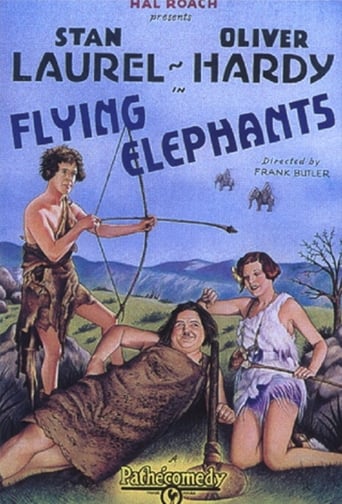
American character actor and comedian who found his niche during the golden age of silent film comedy. Beginning his career in the mid-1920s, Fine quickly established himself as a reliable supporting player in comedy shorts and features, often appearing alongside the era's biggest comedy stars. His distinctive appearance and physical comedy skills made him a valuable ensemble player in numerous productions. Fine worked extensively with comedy legends including Buster Keaton, appearing in 'Battling Butler' (1926), one of Keaton's most successful features. He also collaborated with the duo of Laurel and Hardy in 'Flying Elephants' (1928), showcasing his versatility in different comedy styles. As the silent era gave way to sound films, Fine's career trajectory mirrored that of many character actors who found the transition challenging. Despite his relatively brief period of prominence, Fine contributed significantly to the comedy landscape of late silent cinema, leaving behind a legacy of memorable supporting performances that enhanced the work of comedy's greatest stars.
The Craft
On Screen
Budd Fine specialized in physical comedy and character acting, utilizing his expressive face and distinctive appearance to create memorable supporting roles. His style was rooted in the pantomime traditions of silent comedy, emphasizing visual gags and physical reactions rather than dialogue. Fine often played the straight man or comic foil to lead comedians, using subtle gestures and reactions to enhance the main comedic performances. His ability to adapt his physical comedy style to work with different comedy stars demonstrated his versatility as a character actor.
Milestones
- Appeared in Buster Keaton's 'Battling Butler' (1926)
- Worked with Laurel and Hardy in 'Flying Elephants' (1928)
- Supporting roles in Hal Roach comedy productions
- Transitioned from stage to film during silent era peak
- Member of comedy ensemble casts throughout late 1920s
Best Known For
Iconic Roles
Must-See Films
Working Relationships
Worked Often With
Studios
Why They Matter
Impact on Culture
Budd Fine contributed to the American silent comedy during its final golden years. As a supporting actor in films featuring comedy legends like Buster Keaton and Laurel & Hardy, Fine played a crucial role in the ensemble comedy format that defined the era. His performances, though often in smaller roles, helped create the comedic rhythm and timing that made these films successful. Fine represents the countless character actors who were essential to the studio system, providing the foundation upon which stars could build their performances. His work exemplifies how silent comedy relied on a complete ensemble of skilled performers, not just the leading stars, to create the timeless humor that continues to entertain audiences decades later.
Lasting Legacy
Budd Fine's legacy lies in his contributions to some of the most celebrated comedy films of the silent era. While not a household name like the stars he supported, Fine's performances in 'Battling Butler' and 'Flying Elephants' have been preserved as part of cinema's comedic heritage. Film historians and silent cinema enthusiasts recognize Fine as part of the essential supporting cast that helped define the comedy styles of Buster Keaton and Laurel & Hardy. His career shows the importance of character actors in creating enduring comedy, and his work continues to be studied and appreciated by those interested in the mechanics of silent film comedy performance.
Who They Inspired
As a supporting character actor, Budd Fine's influence was primarily in his contributions to the overall success of the films in which he appeared. His ability to adapt his comedy style to work with different leading comedians demonstrated the versatility required of silent era supporting players. Fine's work helped establish patterns of ensemble comedy that would influence future generations of comedy filmmakers and performers. His performances in classic comedies continue to serve as examples of effective supporting comedy work for actors studying the craft of physical comedy and ensemble performance.
Off Screen
Budd Fine maintained a relatively private personal life away from the spotlight of Hollywood. Born in New York City in 1894, he was part of the generation of performers who transitioned from vaudeville and stage to motion pictures during the early 20th century. Fine's active years covered the crucial transition period from silent films to talkies, though he found greater success during the silent era. After his film career diminished in the early 1930s, he largely retired from entertainment. Fine spent his later years away from the public eye, passing away in 1966 at the age of 72.
Did You Know?
- Appeared in three films that are now considered comedy classics
- Worked with both Buster Keaton and Laurel & Hardy, two of comedy's greatest teams
- His active years covered the critical transition from silent films to talkies
- Often played unnamed or minor character roles but made memorable impressions
- Part of the Hal Roach studio comedy ensemble system
- His filmography is relatively short but includes significant comedy titles
- Representative of the many character actors essential to silent comedy success
- Born in New York during the vaudeville era, likely influencing his comedy style
- His last known film appearances coincided with the end of the silent era
- Died the same year that television began to dominate home entertainment
Frequently Asked Questions
Who was Budd Fine?
American character with credits in this catalog. He appeared in supporting roles alongside comedy legends including Buster Keaton and Laurel & Hardy, contributing to some of the era's most celebrated comedy films.
What films is Budd Fine best known for?
Titles linked here include Battling Butler (1926), Flying Elephants (1928).
When was Budd Fine born and when did he die?
Born September 8, 1894; died November 25, 1966.
What awards did Budd Fine win?
Budd Fine did not receive any major awards or nominations during his career. Like many character actors of the silent era, his contributions were primarily recognized through his steady employment and the success of the films in which he appeared.
What was Budd Fine's acting style?
Budd Fine specialized in physical comedy and character acting, using his expressive face and distinctive appearance in supporting roles. His style was rooted in silent film pantomime traditions, emphasizing visual gags and physical reactions that complemented the performances of leading comedians.