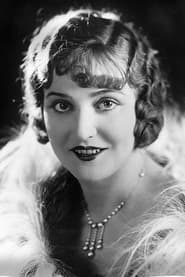
Agnes Ayres
Actor
Born: April 4, 1898 in Carbondale, Illinois, USA Died: December 25, 1940 Active: 1915-1929 Birth Name: Agnes Hinkle Eyre
Films
6 films
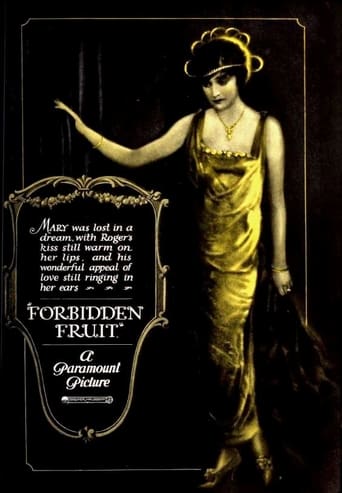
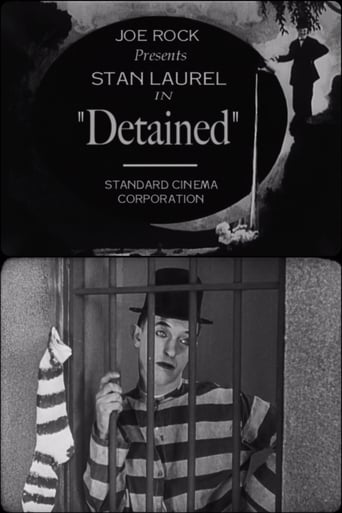
About Agnes Ayres
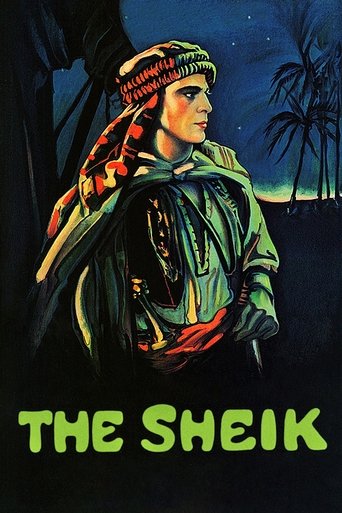
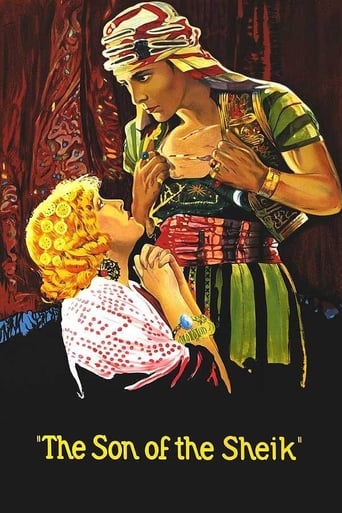
Agnes Ayres was prominent actresses of the silent film era, best remembered for her captivating role as Lady Diana Mayo opposite Rudolph Valentino in the film 'The Sheik' (1921). Born Agnes Hinkle Eyre in Carbondale, Illinois, she began her film career in 1915 after being discovered by director Frank Borzage while working as a model. Her rise to stardom was meteoric, and by the early 1920s, she was one of Paramount Pictures' most valuable assets and among the highest-paid actresses in Hollywood. The success of 'The Sheik' catapulted her to international fame, and she reprised her role in the sequel 'The Son of the Sheik' (1926), which was Valentino's final film. Ayres appeared in over 60 films during her career, working with directors like Cecil B. DeMille and Sam Wood. Like many silent stars, she struggled with the transition to sound films, and her career declined in the late 1920s. She spent her final years in relative obscurity, facing financial difficulties and health problems before her death from a cerebral hemorrhage on Christmas Day 1940 at the age of 42.
The Craft
On Screen
Agnes Ayres embodied the sophisticated, elegant acting style of the 1920s silent era, characterized by expressive eyes, graceful movements, and the ability to convey complex emotions through subtle facial expressions. She specialized in portraying strong-willed, independent women who often challenged societal norms, particularly in romantic dramas. Her screen presence combined innocence with underlying sensuality, making her particularly effective in exotic romance roles. Ayres had a natural chemistry with her leading men, especially Rudolph Valentino, creating memorable on-screen partnerships that captivated audiences of the silent era.
Milestones
- Breakthrough role in 'The Sheik' (1921) opposite Rudolph Valentino
- Became one of Paramount Pictures' highest-paid stars in the early 1920s
- Starred in over 60 films during her career
- Appeared in 'The Son of the Sheik' (1926), Valentino's final film
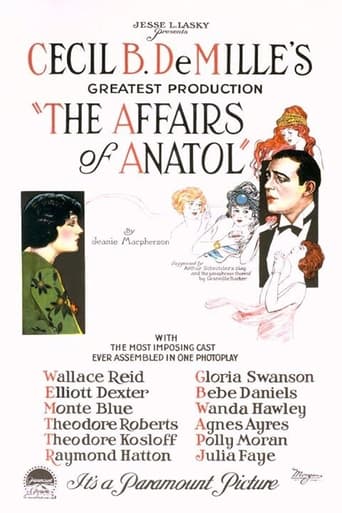
- Worked with legendary directors including Cecil B. DeMille
- Successfully transitioned from supporting roles to leading lady status
Best Known For
Iconic Roles
Must-See Films
Accolades
Special Recognition
- Hollywood Walk of Fame star (located at 6524 Hollywood Boulevard)
Working Relationships
Worked Often With
Studios
Why They Matter
Impact on Culture
Agnes Ayres played a pivotal role in shaping the exotic romance genre that dominated early 1920s cinema. Her portrayal of Lady Diana Mayo in 'The Sheik' created an enduring archetype of the strong, independent Western woman captivated by exotic passion. This character type influenced countless films that followed and contributed to the popularization of desert romance narratives. Ayres' screen presence and fashion sense also influenced 1920s culture, with her distinctive hairstyles and costumes being widely emulated by women of the era. Her collaboration with Rudolph Valentino created one of cinema's first major romantic pairings, establishing a template for screen chemistry that would influence Hollywood for decades.
Lasting Legacy
Agnes Ayres' legacy endures primarily through her iconic role in 'The Sheik,' which remains. While she may not be as well-remembered as some of her contemporaries, her contribution to establishing the exotic romance genre and her role in creating one of early cinema's most memorable screen partnerships with Valentino secured her place in film history. Her career trajectory also serves as a representative example of the challenges faced by silent film stars during the transition to sound, highlighting the precarious nature of fame in early Hollywood. Modern film scholars and silent film enthusiasts continue to recognize her as an important figure who embodied the glamour and sophistication of 1920s cinema.
Who They Inspired
Agnes Ayres influenced subsequent generations of actresses through her portrayal of strong, independent female characters who maintained their agency even in romantic narratives. Her ability to convey complex emotions through subtle expression set a standard for silent film acting. The success of her pairing with Rudolph Valentino influenced how Hollywood marketed romantic films, emphasizing the chemistry between leads. While she didn't directly mentor many actors, her work inspired actresses who followed in exotic romance roles, and her approach to character development influenced how leading women were written and portrayed in adventure and romance films throughout the 1920s and beyond.
Off Screen
Agnes Ayres' personal life was marked by both glamour and tragedy. She married Mexican film producer Manuel Reachi in 1924, and they had one daughter together before divorcing in 1927. The marriage was reportedly tumultuous, and the divorce proceedings were highly publicized. After her career decline, Ayres faced severe financial difficulties and was forced to sell her Hollywood home. She struggled with depression and alcoholism in her later years. Her death from a cerebral hemorrhage on Christmas Day 1940 came as a shock to many, as she had been largely forgotten by the public and industry that had once celebrated her.
Education
Limited information available; she received basic education in Illinois before moving to Chicago to pursue modeling and acting
Family
- Manuel Reachi (1924-1927)
Did You Know?
- She was discovered by director Frank Borzage while working as a model in Chicago
- Her birth name was Agnes Hinkle Eyre, which she shortened to Agnes Ayres for her screen name
- She was one of the first actresses to earn $1,000 per week, making her among the highest-paid stars of her time
- The Sheik was so successful that it spawned a sequel, 'The Son of the Sheik,' five years later
- She was originally considered for the lead role in 'The Ten Commandments' (1923) but lost it to Leatrice Joy
- Her daughter Maria Reachi later became a film producer in Mexico
- She was known for her distinctive bob haircut, which influenced women's fashion in the early 1920s
- Despite her fame, she was buried in an unmarked grave in Los Angeles until 1999 when a fan purchased a headstone
- She appeared in over 60 films but only about 20 are known to survive today
- Her final film appearance was in 'The Four Feathers' (1929), which had both silent and sound versions
In Their Own Words
In the silent pictures, you had to use your eyes and your body. You couldn't rely on your voice to convey emotion. Every gesture had to mean something.
Working with Valentino was magical. There was a chemistry between us that the camera just loved to capture.
The public wants romance and adventure. They want to escape their ordinary lives. That's what we tried to give them in every picture.
Frequently Asked Questions
Who was Agnes Ayres?
Prominent American silent film actress best known for her role opposite Rudolph Valentino in 'The Sheik' (1921). She was one of the highest-paid stars of the early 1920s and appeared in over 60 films during her career, establishing herself as a leading lady in exotic romances and dramatic films.
What films is Agnes Ayres best known for?
Titles linked here include The Sheik (1921), The Son of the Sheik (1926).
When was Agnes Ayres born and when did she die?
Born April 4, 1898; died December 25, 1940.
What awards did Agnes Ayres win?
While Agnes Ayres did not receive major acting awards during her career (the Academy Awards were not established until 1929, near the end of her peak years), she was honored with a star on the Hollywood Walk of Fame located at 6524 Hollywood Boulevard in recognition of her contributions to film.
What was Agnes Ayres's acting style?
Agnes Ayres embodied the sophisticated acting style of the silent era, characterized by expressive eyes and graceful movements. She specialized in portraying strong-willed, independent women and excelled at conveying complex emotions through subtle facial expressions. Her screen presence combined innocence with underlying sensuality, making her particularly effective in exotic romance roles.
How did Agnes Ayres's career end?
Like many silent film stars, Agnes Ayres struggled with the transition to sound films in the late 1920s. Her career declined rapidly, and she made her last film appearance in 1929. She faced financial difficulties and health problems in her final years, dying in relative obscurity in 1940.
What was Agnes Ayres's relationship with Rudolph Valentino?
Agnes Ayres and Rudolph Valentino created one of early cinema's most memorable screen partnerships through their work together in 'The Sheik' (1921) and 'The Son of the Sheik' (1926). Their on-screen chemistry was widely praised and contributed significantly to both films' success, though their relationship was professional rather than romantic.