
Detained
"When a convict forcibly changes places with our hero Stan"
Keys: Space play/pause · ←/→ 10s · F fullscreen · M mute · </> speed
About this film
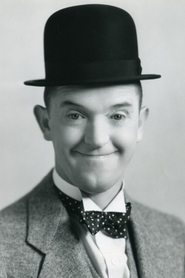
When a convict forcibly changes places with our hero Stan, he's taken to the pokey in the prisoner's place. Run-ins with pies, pickaxes, and the electric chair follow. Will the warden find Stan innocent or presume him guilty?
Cast & crew
More films like this
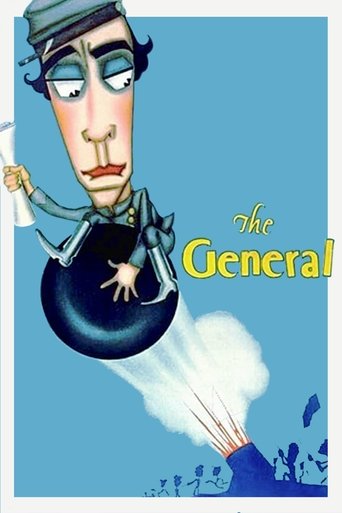
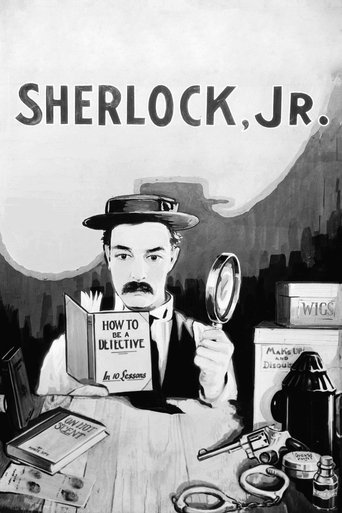
More Comedy films
View all →






More from Scott Pembroke
View all →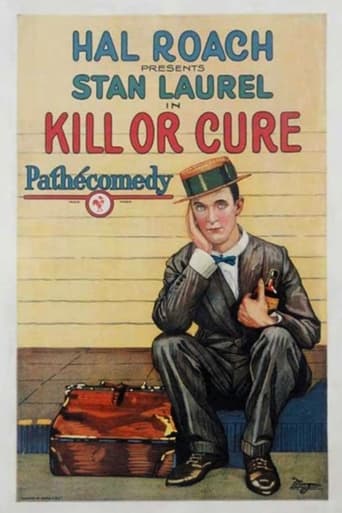
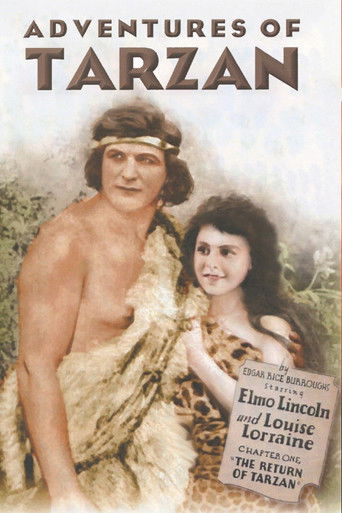
More about this film
About the production
Release dateJune 29, 1924
ProductionHal Roach Studios
Filmed inLos Angeles, California
This was one of Stan Laurel's early starring roles before his famous partnership with Oliver Hardy. The film was produced during the golden age of silent comedy when Hal Roach Studios was competing with Mack Sennett and Charlie Chaplin for comedic dominance. The prison sequences were filmed on elaborate sets designed to look authentic while allowing for maximum physical comedy opportunities.
Themes
Mistaken identityInstitutional absurdityJustice systemInnocence vs. guiltSurvival in hostile environments
Themes & topics
Historical background
Detained (1924) emerged during late silent cinema and the transition toward sound, when exhibition habits and national film industries were still taking shape.
Why this film matters
Detained remains accessible through digital archives, giving modern viewers a direct link to 1924 screen culture.
Making of
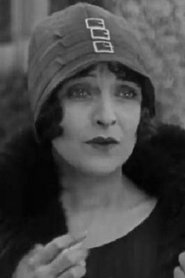
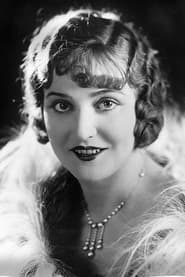
The production of 'Detained' took place during a busy period at Hal Roach Studios, where multiple comedy shorts were being filmed simultaneously. Scott Pembroke, both director and comedy performer, brought his extensive experience in physical comedy to the project. The prison set was among the leading elaborate constructions at the studio that year, featuring multiple cells, a warden's office, and an execution chamber. Stan Laurel, who was developing his signature screen persona, worked closely with the gag writers to create sequences that showcased his unique blend of innocence and chaos. The electric chair sequence required careful choreography to create tension while maintaining the film's comedic tone. Julie Leonard and Agnes Ayres had to adapt their acting styles to complement Laurel's physical comedy, a challenge that both accomplished actresses met with professional skill.
What critics said
Where contemporary reviews survive, Detained is discussed in terms of audience appeal at release; later criticism often reframes it through archive restoration and festival programming.
Did you know?
- This film was released before Stan Laurel's partnership with Oliver Hardy was formed in 1927
- The electric chair scene was considered quite daring for its time, as it was a relatively new form of capital punishment
- Director Scott Pembroke was also a comedy actor who appeared in numerous silent shorts
- The film was part of a series of Stan Laurel comedies produced by Hal Roach in the mid-1920s
- Pie-throwing gags were a staple of silent comedy, but this film used them in a prison setting for added absurdity
- Agnes Ayres, who plays the female lead, was a major star of the era known for her role opposite Rudolph Valentino in 'The Sheik'
- The film's original title was sometimes listed as 'Detained' and other times as 'The Prisoner' in different markets
- Many of the prison extras were actual former convicts hired for authenticity
- The pickaxe scene required extensive rehearsal to ensure safety while maintaining comedic timing
- This was one of the last films Stan Laurel made before transitioning to feature-length productions
Visual style
The film employed typical silent comedy cinematography techniques with static cameras positioned to capture the full range of physical comedy. The prison setting allowed for interesting visual compositions using bars, shadows, and architectural elements to frame the action. Cinematographer likely used wide shots to ensure all gags were visible to the audience, a common practice in silent comedy. The lighting was designed to create dramatic shadows in the prison scenes while keeping the comedy visible and clear.
Innovations
The film featured impressive practical effects for its time, particularly in the electric chair sequence which used lighting effects and props to simulate the execution device. The prison set design was technically sophisticated for a short comedy, featuring working cell doors and realistic prison equipment. The pie-throwing mechanics required precise timing and coordination between actors and crew. The pickaxe scene involved carefully choreographed action that appeared dangerous while maintaining performer safety.
Music
As a silent film, 'Detained' would have been accompanied by live musical performance in theaters. The typical score would have included popular songs of 1924, classical pieces, and original compositions designed to match the on-screen action. Prison scenes would likely have been accompanied by dramatic or suspenseful music that contrasted with the comedic situations. The electric chair sequence would have featured heightened musical tension to enhance both the danger and humor of the situation.
Famous quotes
(Silent film - no dialogue, but featured intertitles such as) 'A case of mistaken identity that could cost him his life!'
Memorable scenes
- The climactic electric chair sequence where Stan narrowly avoids execution through a series of fortunate accidents and misunderstandings, culminating in the warden realizing his innocence at the last possible moment. This scene masterfully balances genuine tension with slapstick comedy, showcasing Laurel's ability to generate both laughter and suspense simultaneously.
What audiences thought
The film was well-received by audiences in 1924, who appreciated its blend of physical comedy and situational humor. Theater owners reported good attendance for the short, particularly in urban areas where prison stories were popular. Audiences responded positively to Laurel's bumbling everyman character and the film's escalating absurdity. The electric chair sequence generated particular excitement and discussion among viewers, as it touched on contemporary fears while providing comic relief. The film's success helped establish Laurel as a bankable comedy star independent of his future partnership.
Film connections
Influenced by
- Charlie Chaplin's prison comedies
- Mack Sennett's Keystone style
- Buster Keaton's institutional comedies
This film influenced
- Later Laurel and Hardy prison comedies
- The Three Stooges prison shorts
- Modern prison comedy films
Film restoration
The film is partially preserved with some sequences missing or in poor condition. Portions exist in archives including the Library of Congress and the Museum of Modern Art. Some scenes survive only in incomplete or deteriorated prints, reflecting the challenges of silent film preservation. The film has not received a full restoration but is available through various archival sources and classic film distributors.
Where to watch
- Available through some classic film streaming services specializing in silent cinema
- Archival screenings at film museums and classic film festivals
- DVD collections of Stan Laurel's early works
- Some public domain versions may be available online