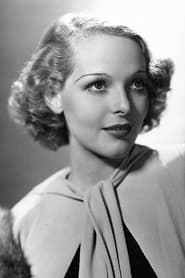
Sally Blane
Actor
Born: April 11, 1910 in Salida, Colorado, USA Died: August 27, 1997 Active: 1921-1937 Birth Name: Elizabeth Jane Young
Films
2 films
About Sally Blane
Sally Blane, born Elizabeth Jane Young, was an American actress who began her career as a child performer in silent films during the early 1920s. As the older sister of actress Loretta Young, she came from a family deeply entrenched in Hollywood. Blane transitioned successfully from silent films to talkies, appearing in numerous B-movies and supporting roles throughout the 1920s and early 1930s. Her career peaked in the early sound era where she often played the female lead in westerns, melodramas, and mystery films. While never achieving the stardom of her younger sister, she maintained a steady acting career with over 60 film credits to her name. Blane retired from acting in the mid-1930s to focus on her family, though she occasionally made uncredited appearances in films starring her sister Loretta. Her legacy remains as part of one of Hollywood's most famous acting families of the Golden Age.
The Craft
On Screen
Blane was known for her naturalistic acting style that adapted well to the transition from silent films to talkies. She possessed a gentle screen presence and often played the wholesome heroine or love interest. Her performances were characterized by emotional sincerity and a subtle approach that worked well in both dramatic and light-hearted roles. In westerns, she brought a refreshing authenticity to her frontier woman characters.
Milestones
- Began acting as a child in silent films
- Successfully transitioned to talkies
- Starred in numerous western films in the early 1930s
- Appeared in over 60 films during her career
- Retired from acting to focus on family life
Best Known For
Iconic Roles
Must-See Films
Accolades
Special Recognition
- Part of the Young family acting dynasty in Hollywood
Working Relationships
Worked Often With
Studios
Why They Matter
Impact on Culture
Sally Blane represents the typical working actress of Hollywood's Golden Age who maintained steady employment without achieving major stardom. Her career trajectory from child actress in silents to leading lady in early talkies exemplifies the adaptability required of performers during this transitional period in cinema history. As part of the Young family acting dynasty, she contributed to Hollywood's legacy of family-based talent that spanned multiple generations.
Lasting Legacy
While not as famous as her sister Loretta Young, Sally Blane left her mark as a reliable character actress who appeared in numerous films across different genres. Her filmography serves as a valuable record of B-movie production during the early sound era, particularly in the western genre. Her marriage to director Norman Foster created another Hollywood power couple, and their children continued the family's entertainment legacy. Today, she is remembered by film historians as an example of the journeyman actress who was the backbone of Hollywood's studio system.
Who They Inspired
Blane influenced other actresses by demonstrating how to maintain longevity in Hollywood through versatility and adaptation to changing technologies. Her successful transition from silent films to talkies provided a model for other actors facing similar challenges. As part of an acting family, she helped pave the way for her younger sisters and demonstrated how multiple family members could succeed in the competitive Hollywood environment.
Off Screen
Sally Blane came from a show business family and was the eldest of three sisters who all became actresses. She married actor and director Norman Foster in 1935, and their marriage lasted until Foster's death in 1976. The couple had two children together, Robert and Gretchen. After retiring from acting, Blane focused on raising her family and supporting her husband's career. She maintained a close relationship with her famous sister Loretta Young throughout her life.
Education
Educated in Los Angeles schools while beginning her acting career as a child
Family
- Norman Foster (1935-1976)
Did You Know?
- Was the older sister of Academy Award winner Loretta Young
- Her birth name was Elizabeth Jane Young
- Began her film career at age 11
- Appeared in films with her sister Loretta under the stage name Sally Blane
- Her mother Gladys Belzer Young was also an actress
- Married director Norman Foster who directed many of her later films
- Retired from acting shortly after her marriage
- Made uncredited appearances in some of her sister's films after retirement
- Her sister Polly Ann Young was also an actress
- The Young sisters were half-sisters, sharing the same mother
In Their Own Words
Acting was in our blood. It was just what our family did.
Frequently Asked Questions
Who was Sally Blane?
American actress active during the silent era and early sound period, best known as the older sister of legendary actress Loretta Young. She appeared in over 60 films between 1921 and 1937, often playing leading roles in B-movies, particularly westerns.
What films is Sally Blane best known for?
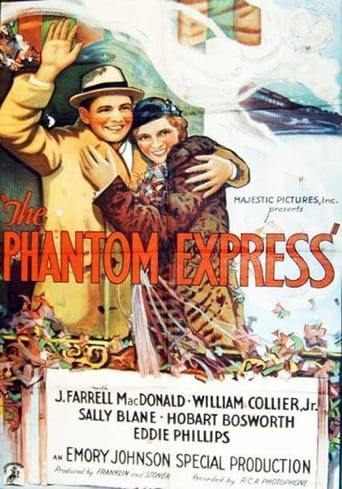
Titles linked here include The Phantom Express (1932), The Vanishing Frontier (1932).
When was Sally Blane born and when did she die?
Born April 11, 1910; died August 27, 1997.
What awards did Sally Blane win?
Sally Blane did not receive major awards or nominations during her career, though she was recognized as a reliable working actress who maintained steady employment in Hollywood's studio system for over 15 years.
What was Sally Blane's acting style?
Sally Blane was known for her naturalistic and sincere acting style that transitioned well from silent films to talkies. She brought emotional authenticity to her roles, particularly as wholesome heroines in westerns and melodramas, with a gentle screen presence that appealed to audiences of the era.
Was Sally Blane related to Loretta Young?
Yes, Sally Blane was the older sister of Academy Award-winning actress Loretta Young. They were part of an acting family that also included their sister Polly Ann Young, all of whom had careers in Hollywood during the Golden Age.
Why did Sally Blane retire from acting?
Sally Blane retired from acting in the mid-1930s shortly after marrying director Norman Foster in 1935. She chose to focus on her family life and supporting her husband's career, though she occasionally made uncredited appearances in films thereafter.