

Father Gets in the Game
"griffith under pre-feature era skies"
Keys: Space play/pause · ←/→ 10s · F fullscreen · M mute · </> speed
About this film
Out on pre-feature era life, d.W. Griffith film about an elderly father who grows tired of seeing his son bring home beautiful women so he gets a makeover and heads out on the prowl.
Cast & crew
More films like this
More Comedy films
View all →







More from D.W. Griffith
View all →
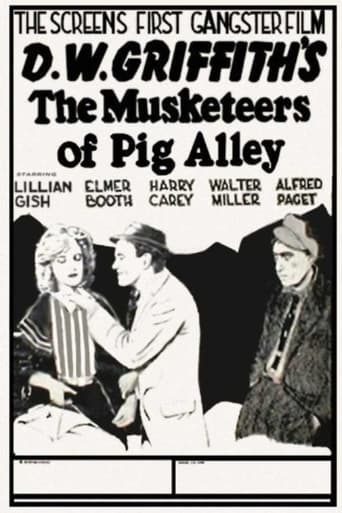
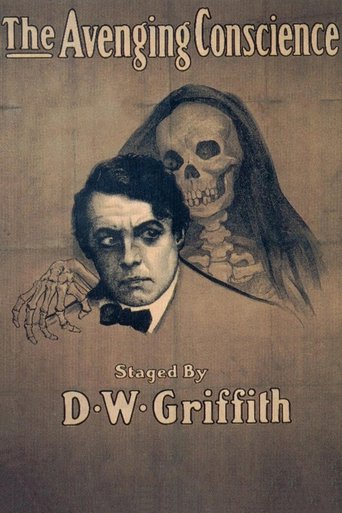
More about this film
About the production
Release dateOctober 17, 1908
ProductionAmerican Mutoscope and Biograph Company
Filmed inNew York City, Fort Lee, New Jersey
This was one of over 450 short films D.W. Griffith directed for the Biograph Company between 1908-1913. The film was shot on 35mm black and white film stock typical of the era. Like most Biograph productions of this period, it was likely completed in just one or two days of shooting. The film showcases Griffith's early experimentation with narrative storytelling and character development in the short film format.
Themes
Age vs. YouthRomantic CompetitionFamily DynamicsSocial AwkwardnessSelf-Improvement
Themes & topics
Historical background
The 1908 premiere of Father Gets in the Game coincided with broader shifts in pre-feature era culture, from technology to social norms.
Why this film matters
Father Gets in the Game has outlived its original run as a document of pre-feature era popular entertainment and craft.
Making of
The making of 'Father Gets in the Game' represents a typical Biograph production from Griffith's early directorial period. The studio operated on an assembly-line system, churning out multiple short films each week. Griffith, who had previously been an actor and struggling playwright, was given his first directorial opportunity at Biograph in 1908 and quickly proved his talent for visual storytelling. The cast consisted of Biograph's stock company actors who would appear in multiple films each week, often playing different characters. The film was likely shot outdoors or in simple studio sets with natural lighting, as artificial lighting was still primitive in 1908. The comedic timing and physical gags would have been rehearsed briefly before filming, with actors relying on their stage experience and natural comedic instincts.
What critics said
Re-evaluation in film journals has kept Father Gets in the Game in circulation among enthusiasts who track pre-feature era releases.
Did you know?
- This was one of Mack Sennett's earliest film appearances before he became famous as 'The King of Comedy' and founded Keystone Studios.
- The film was released during D.W. Griffith's first year as a director at Biograph, where he directed over 40 films in 1908 alone.
- Harry Solter, who appears in the film, was married to actress Florence Lawrence, considered 'America's First Movie Star.'
- Like many films of this era, 'Father Gets in the Game' was likely shot without a complete script, with actors improvising based on basic plot outlines.
- The film was originally distributed on 1000-foot film reels, which was standard for Biograph's one-reel productions.
- This comedy predates Griffith's more famous and controversial works like 'The Birth of a Nation' by seven years.
- The film's theme of age vs. youth in romance would become a recurring motif in silent comedies throughout the 1910s and 1920s.
- George Gebhardt, another cast member, was one of Biograph's regular character actors who appeared in dozens of Griffith's early films.
Visual style
The cinematography in 'Father Gets in the Game' reflects the technical limitations and conventions of 1908 filmmaking. The film was shot by Biograph's staff cinematographers using stationary cameras, as camera movement was rare during this period. The visual style features medium shots that capture full body actions, essential for conveying the physical comedy without the benefit of sound. The lighting would have been primarily natural, either daylight for exterior scenes or basic studio lighting for interiors. The composition follows the theatrical tradition of placing important action in the center of the frame, ensuring clarity for the audience. The black and white imagery creates strong contrasts that help define the characters and their interactions, though the original film would have shown more detail than typical surviving copies.
Innovations
While 'Father Gets in the Game' does not showcase major technical innovations, it represents the standard technical quality of Biograph productions in 1908. The film was shot on 35mm film using Biograph's proprietary equipment, which was considered high quality for the period. The editing likely employed simple cuts between scenes, as more complex editing techniques were still being developed. The film demonstrates the effective use of continuity in storytelling, which was becoming more sophisticated in 1908. The makeup and costume work, while simple by modern standards, would have been adequate for conveying the father's transformation and the film's comedic premise. The film's survival and preservation allow modern viewers to appreciate the technical standards of early American cinema.
Music
As a silent film, 'Father Gets in the Game' had no synchronized soundtrack. During its original theatrical run, musical accompaniment would have varied by venue, ranging from a single piano player in smaller nickelodeons to small orchestras in more prestigious theaters. The music would have been selected by the house musician or musical director to match the on-screen action and mood. Popular tunes of the era, classical pieces, or improvisational music might have been used to enhance the comedic moments. The rhythm and tempo of the music would have been particularly important for accentuating the physical comedy and timing of the gags. No specific musical score was composed for this film, as was typical for short comedies of this period.
Famous quotes
As a silent film, there are no recorded spoken lines or intertitles from 'Father Gets in the Game.'
Memorable scenes
- The transformation scene where the elderly father gets his makeover, complete with new suit and hat, preparing himself for his romantic adventures. This sequence would have featured visual comedy through the character's awkward attempts to appear youthful and fashionable, likely including difficulties with his new clothing and grooming efforts.
What audiences thought
Audiences in 1908 would have viewed 'Father Gets in the Game' as light, entertaining fare suitable for the diverse crowds that frequented nickelodeons. The film's relatable theme of generational competition in romance would have resonated with viewers of all ages. The physical comedy and situational humor would have been easily understood without intertitles, making it accessible to immigrant audiences who might not speak English. The six-minute runtime was perfect for the short attention spans expected in nickelodeon programming, where multiple films were typically shown in succession. The film likely provided good-natured entertainment and laughter for working-class audiences seeking brief escape from their daily lives.
Film connections
Influenced by
- Stage comedy traditions
- Vaudeville performance styles
- Earlier Biograph comedies
This film influenced
- Later father-son comedy films
- Age-gap romance comedies
- Mack Sennett's Keystone comedies
Film restoration
The film is preserved in the Library of Congress collection as part of the Paper Print Collection. Early Biograph films were archived on paper prints submitted for copyright protection, which has allowed many of these early works to survive. The film has been transferred to modern safety film and digital formats for preservation and study. While some deterioration may be present due to the age of the original materials, the film remains viewable and accessible to researchers and cinema historians.
Where to watch
- Library of Congress National Screening Room
- Various public domain film archives
- Specialized silent film collections
- Academic film libraries
- Some streaming services specializing in classic cinema