
Between Showers
"Stolen umbrella, muddy dispute"
Keys: Space play/pause · ←/→ 10s · F fullscreen · M mute · </> speed
About this film
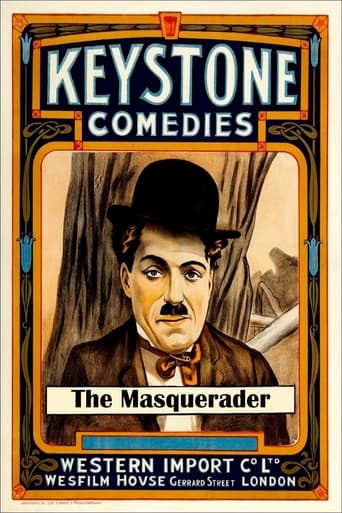
Ford Sterling's villain Snookie steals an umbrella during a rain shower, provoking Charlie Chaplin's Tramp in this 1914 Keystone one-reeler. Mack Sennett's company released the short as part of Chaplin's early slapstick period.
Cast & crew
More films like this

More Comedy films
View all →







More from Henry Lehrman
View all →
More about this film
About the production
Release dateFebruary 28, 1914
Box officeUnknown (box office records from 1914 are not well documented for individual shorts)
ProductionKeystone Film Company
Filmed inLos Angeles, California, Keystone Studios, Edendale
Filmed in early 1914 during Chaplin's first year at Keystone, this short was typical of the studio's rapid production schedule, often completed in just a few days. The puddle scene was created on location using water hoses, a common practice for outdoor comedy scenes. The film presents the early development of Chaplin's Tramp character, which was still evolving its distinctive mannerisms and costume elements.
Themes
Rivalry and competitionChivalry and courtshipSocial status and classUrban life and weatherMale ego and pride
Themes & topics
Historical background
Between Showers belongs to Chaplin's first year at Keystone when he was refining the Tramp persona amid frenetic park and street gags.
Why this film matters
'Between Showers' represents a crucial moment in the development of screen comedy and the establishment of Charlie Chaplin as a cinematic icon. The film exemplifies the Keystone style of rapid-fire physical comedy while showcasing Chaplin's emerging talent for combining slapstick with character-driven humor. This short contributed to the popularization of the Tramp character, who would become recognizable figures in global cinema. The film's simple premise of rivalry over a woman's attention established a template that would be endlessly replicated in comedies throughout the 20th century. Its preservation allows modern audiences to witness the early evolution of comedy filmmaking, before the establishment of many conventions we now take for granted. The movie also demonstrates how early filmmakers used everyday situations like rain and puddles to create comedic scenarios that resonated with working-class audiences of the time.
Making of
The production of 'Between Showers' took place during a crucial period in Charlie Chaplin's career, as he was transitioning from a Keystone stock player to a comedy superstar. Director Henry Lehrman, who resented Chaplin's growing popularity and improvisational style, reportedly made filming difficult by changing shot compositions and deliberately trying to make Chaplin look foolish. Despite this tension, the physical comedy between Chaplin and Ford Sterling presents the competitive energy that defined Keystone's best work. The puddle sequence was particularly challenging to film, requiring precise timing to capture the splash effects and the actors' reactions. Chaplin was already beginning to refine his Tramp character, incorporating subtle gestures and expressions that would become his trademark. The film was shot quickly, as was typical of Keystone's assembly-line production methods, often completing multiple shorts in a single week.
What critics said
Chaplin scholars treat it as a minor but illustrative Keystone entry showing his emerging conflict with authority figures.
Did you know?
- This was one of the first films where Charlie Chaplin appeared with his Tramp costume, though the character was still being refined.
- The film was directed by Henry Lehrman, who had a contentious relationship with Chaplin and often tried to sabotage his performances.
- Ford Sterling, who plays Mr. Snookie, was one of Keystone's biggest stars before Chaplin's arrival.
- The umbrella-stealing gag was a recurring theme in early silent comedies, symbolizing the petty conflicts that drive slapstick humor.
- This short was released just weeks after Chaplin's film debut, showing how rapidly Keystone was producing content featuring their new star.
- The puddle scene required multiple takes due to the difficulty of timing the physical comedy with the water effects.
- Chester Conklin, who appears in the film, was known for his distinctive walrus mustache and was a regular Keystone player.
- The film's title 'Between Showers' refers to the brief respite from rain that creates the opportunity for the story's action.
- This was among the last films Chaplin made before he began demanding more creative control over his work.
- The simple premise of two men competing to help a woman across water became a template for countless future comedy routines.
Visual style
The cinematography in 'Between Showers' is typical of Keystone productions in 1914, featuring a static camera positioned to capture the full range of physical action. The cameraman used medium shots to ensure both performers and their physical gags remained visible throughout the comedy sequences. The outdoor filming took advantage of natural lighting, creating a realistic atmosphere for the rain-themed scenario. The camera work prioritized clarity of action over artistic composition, ensuring that every pratfall and splash was clearly visible to the audience. The puddle sequence required careful framing to contain the water effects while maintaining focus on the performers' reactions.
Innovations
While 'Between Showers' did not introduce major technical innovations, it demonstrates the effective use of existing film techniques for comedic effect. The film presents Keystone's mastery of practical effects, particularly the creation and filming of the puddle sequence using water hoses and careful timing. The editing follows the continuity style emerging in 1914, maintaining clear spatial relationships between characters. The film also demonstrates the effective use of outdoor locations to add realism to comedy scenarios, a technique that would become standard in film comedy. The production efficiency shown in completing this short in minimal time reflects the industrial processes being developed by Hollywood studios.
Music
As a silent film, 'Between Showers' would have been accompanied by live musical performance during its theatrical run. Typical Keystone comedies were accompanied by pianists or small orchestras playing popular songs of the era, classical pieces, or improvised music that matched the on-screen action. For the rain scenes, musicians might have used percussive effects to simulate rainfall, while the physical comedy would have been underscored with jaunty, upbeat tunes. The exact musical accompaniment would have varied by theater and performer, as standardized film scores were not yet common practice in 1914.
Famous quotes
(Silent film - no dialogue, but famous visual gags include Chaplin's distinctive walk and the umbrella-stealing sequence)
Memorable scenes
- The opening sequence where Ford Sterling's character steals the umbrella with exaggerated stealth
- The puddle-crossing scene where both men attempt to help the woman while sabotaging each other
- Chaplin's introduction as the Tramp, with his distinctive waddle and cane
- The final splash sequence where both rivals end up in the water
- The moment when the umbrella becomes a weapon in their comic battle
What audiences thought
Audiences in 1914 responded enthusiastically to 'Between Showers,' as it featured the increasingly popular Charlie Chaplin in his distinctive Tramp costume. The film played well in vaudeville houses and nickelodeons, where short comedies were in high demand. Moviegoers of the era particularly enjoyed the relatable scenario of dealing with rain and puddles, combined with the escalating physical comedy. The rivalry between Chaplin and Ford Sterling resonated with audiences, who could recognize the familiar comedic trope of two men competing for a woman's attention. The film's success contributed to Chaplin's rapidly growing star power and helped establish him as a box office draw for Keystone.
Film connections
Influenced by
- French comedy films of the early 1900s
- Vaudeville slapstick routines
- Mack Sennett's Keystone comedy formula
- Max Linder's character-based comedy
- American stage comedy traditions
This film influenced
- Later Chaplin shorts featuring the Tramp
- Hal Roach comedy shorts
- Laurel and Hardy films
- Three Stooges shorts
- Modern physical comedy films
Film restoration
The film is preserved in the archives of major film institutions including the Library of Congress and the Museum of Modern Art. Several 16mm and 35mm copies exist, and it has been digitized for inclusion in various Chaplin collections and DVD releases. The print quality varies but the film remains largely intact and viewable.
Where to watch
- Available on DVD in 'The Chaplin Mutuals' collection
- Streaming on various classic film platforms
- Part of the Internet Archive's public domain collection
- Included in some streaming services' classic film sections
- Available through film archive websites