
Films
5 films

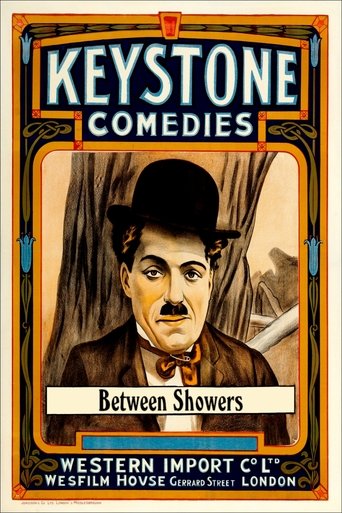
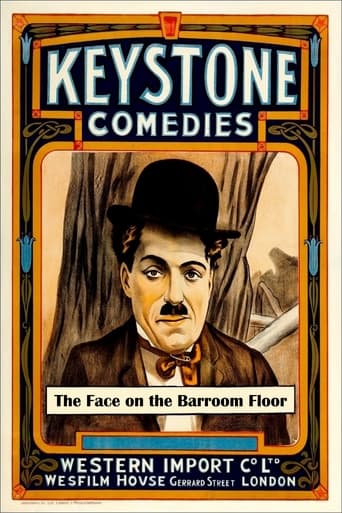
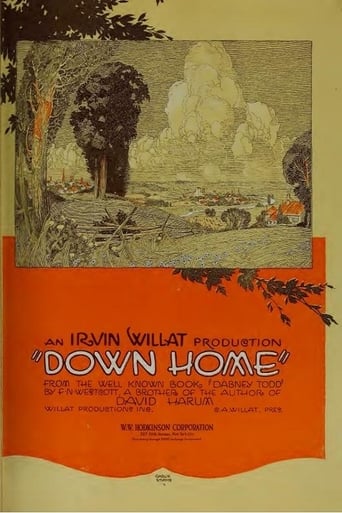
About Edward Nolan
Made his mark during the pivotal year of 1914 at Keystone Studios, where he worked alongside Charlie Chaplin during the formative period of Chaplin's career. As a member of Mack Sennett's famed stock company, Nolan appeared in several of Chaplin's early comedy shorts that would help establish the Tramp character and revolutionize film comedy. His performances, while often in supporting or background roles, contributed to the ensemble dynamic that made Keystone productions so successful and influential. Nolan worked during a revolutionary period in cinema when the language of film comedy was being developed and refined through rapid experimentation. Though his film career was brief and concentrated entirely in 1914, his work survives as an important record of early American cinema and the collaborative nature of silent film production. Like many supporting actors of his era, he transitioned from likely stage or vaudeville work to the new medium of motion pictures, bringing physical comedy skills that were essential to the Keystone style.
The Craft
On Screen
Edward Nolan's acting style was characteristic of Keystone Studios performers, featuring broad physical comedy, exaggerated facial expressions, and energetic movement designed to maximize comedic impact in the short film format. His performances relied on visual gags, slapstick timing, and the ability to support the lead comedian's routines while maintaining distinct character presence. Like other Keystone players, he mastered the art of quick pacing and exaggerated reactions that were essential to the studio's successful formula of rapid-fire comedy.
Milestones
- Appeared in Charlie Chaplin's film debut 'Making a Living' (1914)
- Member of Mack Sennett's Keystone Studios stock company
- Participated in the development of early film comedy techniques
- Worked during the foundational year of Chaplin's screen persona
- Contributed to multiple one-reel comedy shorts that defined the era
Best Known For
Iconic Roles
Must-See Films
Working Relationships
Worked Often With
Studios
Why They Matter
Impact on Culture
Edward Nolan's cultural impact, while subtle, is significant as part of the foundational ensemble that helped establish American film comedy. His work with Charlie Chaplin during 1914 contributed to the development of the visual language of cinema comedy that would influence generations of filmmakers and performers. As a member of the Keystone stock company, he participated in creating comedy techniques and ensemble dynamics that became standard in film production. The surviving films featuring Nolan represent important historical documents of early Hollywood and the collaborative nature of silent film production, where supporting actors played crucial roles in establishing the rhythm and energy that made comedies successful.
Lasting Legacy
Edward Nolan's legacy is preserved through his surviving film appearances that serve as valuable historical records of early American cinema and the development of film comedy. His work represents the importance of ensemble casting in silent films and the crucial role that supporting actors played in establishing the success of lead performers like Charlie Chaplin. While not a major star, Nolan's contributions to these foundational films ensure his place in film history as part of the machinery that created some of cinema's earliest and most influential comedies. His brief career exemplifies the transient nature of early film stardom and the many performers who contributed to cinema's development without achieving lasting fame.
Who They Inspired
As a supporting actor during the formative years of American cinema, Edward Nolan's direct influence on other performers is not extensively documented. However, his participation in the development of Keystone comedy techniques and his work establishing ensemble dynamics in early film shorts indirectly influenced subsequent generations of comedy performers. The physical comedy methods and ensemble approaches he helped develop became part of the foundation that later comedians and filmmakers would build upon and refine throughout the evolution of film comedy.
Off Screen
Very limited information is available about Edward Nolan's personal life, which was typical for supporting actors of the silent era who were not major stars. Like many character actors of his time, details about his family background, personal relationships, and life outside of film work were not extensively documented in contemporary sources or preserved in film history records.
Did You Know?
- Appeared in Charlie Chaplin's very first film 'Making a Living' (1914)
- His entire film career was concentrated in the single year of 1914
- Worked at Keystone Studios during what many consider Chaplin's most innovative period
- Part of the stock company system that dominated early Hollywood production
- The films he appeared in were typically one-reel shorts lasting 10-12 minutes
- Like many early film actors, he likely transitioned from stage or vaudeville to cinema
- His roles, while often small, were essential to establishing the ensemble comedy dynamic
- Worked during the transition period when film comedy evolved from simple slapstick to character-driven humor
- Contributed to films that helped establish Charlie Chaplin's iconic Tramp character
- His surviving performances represent important examples of early American ensemble comedy
Frequently Asked Questions
Who was Edward Nolan?
American silent film with credits in this catalog. He was part of the supporting ensemble that helped establish the foundation of American film comedy during its formative years.
What films is Edward Nolan best known for?
Titles linked here include Making a Living (1914), Recreation (1914).
When was Edward Nolan born and when did he die?
Born 1888; died 1943.
What awards did Edward Nolan win?
Edward Nolan did not receive any documented major awards or nominations during his career, which was typical for supporting actors in the silent film era. His contributions are preserved through his surviving film work rather than through formal recognition.
What was Edward Nolan's acting style?
Edward Nolan's acting style was characteristic of Keystone Studios performers - featuring broad physical comedy, exaggerated facial expressions, and quick pacing designed to support the lead comedian's routines. His performances contributed to the ensemble dynamic that made early film shorts successful.