
Cohen Saves the Flag
"And his rival Goldberg enlist"
Keys: Space play/pause · ←/→ 10s · F fullscreen · M mute · </> speed
About this film
Cohen and his rival Goldberg enlist in the Union Army during the American Civil War. Goldberg receives a lieutenant’s commission while Cohen becomes a sergeant. During the Battle of Gettysburg, Cohen inadvertently becomes a hero when he tosses back an enemy hand grenade and raises a fallen flag in the midst of the conflict. Goldberg conspires to have Cohen shot by a firing squad, but Cohen’s girlfriend Rebecca rides to the rescue.
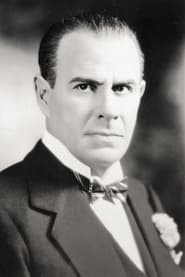
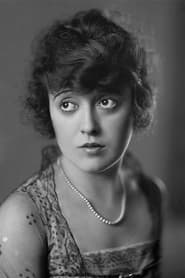
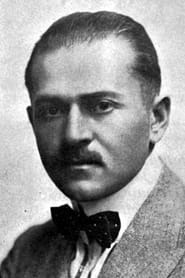
Cast & crew
More films like this
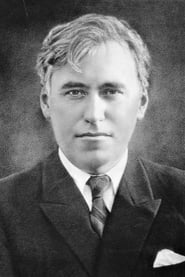
More from Mack Sennett
View all →

More about this film
About the production
Release dateOctober 1913
Box officeUnknown - box office records were not systematically kept for short films in 1913
ProductionKeystone Film Company
Filmed inLos Angeles, California, Edendale, California (Keystone Studios)
Filmed during the peak of Keystone's production in 1913, this short was part of Mack Sennett's rapid-fire schedule of producing multiple comedy shorts per week. The battle scenes were filmed on the relatively undeveloped hills surrounding Los Angeles, which doubled for the Gettysburg battlefield. The film utilized Keystone's stock company of actors and extras, many of whom would become major stars in the coming years. The production faced challenges in creating convincing battle sequences with limited resources, relying on smoke effects, stunt work, and clever camera positioning to simulate the scale of the famous Civil War battle.
Themes
Underdog heroismRivalry and jealousyPatriotism and national identityRomantic rescueComic reversal of expectations
Themes & topics
Historical background
Made in 1913, Cohen Saves the Flag reflects production norms of the silent era before feature-length dominance—shorter runtimes, regional audiences, and limited preservation infrastructure.
Why this film matters
Historians reference Cohen Saves the Flag (1913) when discussing 1913 film by Mack Sennett.
Making of
Cohen Saves the Flag was produced during Keystone Studios' most prolific period under Mack Sennett's leadership. The film was created using Sennett's signature 'assembly line' approach to comedy production, with multiple films being shot simultaneously on the studio's Edendale lot. Ford Sterling, one of Keystone's biggest stars, had developed the Cohen character through his vaudeville background and refined it through previous Keystone shorts. The battle sequences required considerable coordination, with Sennett employing his famous 'Sennett Bathing Beauties' and studio extras to create the illusion of a large-scale military engagement. The film's climactic rescue scene featuring Mabel Normand on horseback was particularly challenging, as Normand had limited riding experience and required extensive rehearsals. The production utilized innovative camera techniques for the time, including panning shots during the battle sequences and close-ups to capture the actors' comedic expressions. The film was edited and assembled quickly to meet Keystone's demanding release schedule, with Sennett personally overseeing the final cut to ensure maximum comedic impact.
What critics said
Trade and revival screenings have kept Cohen Saves the Flag (1913) on the map for collectors and scholars rather than mass first-run promotion.
Did you know?
- This film is one of the earliest examples of the 'Cohen' character archetype in American cinema, which featured Jewish stereotypes that were common in vaudeville and early film but would be considered offensive today
- Ford Sterling's Cohen character was so popular that it spawned a series of films at Keystone, making him one of the first recurring comedy characters in American cinema
- The film was released just months before the 50th anniversary of the Battle of Gettysburg, capitalizing on renewed public interest in the Civil War
- Mabel Normand, who plays Rebecca, was not only the film's female lead but also one of the few women in early cinema with significant creative input at Keystone
- The battle scenes were filmed using real Civil War-era uniforms and equipment rented from local collectors, adding authenticity to the production
- This film represents one of the earliest cinematic depictions of the Battle of Gettysburg, predating D.W. Griffith's 'The Birth of a Nation' (1915)
- The hand grenade used in the film was actually a painted prop, as real grenades from the Civil War era were rare and dangerous to handle
- Keystone's rapid production schedule meant this film was likely shot in just 1-2 days, typical for their comedy shorts of this period
- The film's title was a parody of the popular 'saves the day' narrative structure common in melodramas of the era
- Henry Lehrman, who plays the villainous Goldberg, would later become a director and was involved in the controversial death of comedian Charles 'Chic' Sale
Visual style
The cinematography in Cohen Saves the Flag was typical of Keystone's work in 1913, utilizing hand-cranked cameras and natural lighting for most scenes. The film employed static camera positioning for most dialogue scenes but incorporated more dynamic camera movement during the battle sequences, including panning shots to follow the action across the battlefield. The cinematographer (uncredited, as was common at Keystone) used medium shots for most comedic moments to capture both the actors' expressions and their physical movements. The battle scenes utilized multiple camera angles to create the illusion of a larger conflict, including low angles to make the action appear more dramatic. The film made effective use of the Southern California landscape, with the rolling hills and open spaces doubling convincingly for the Gettysburg battlefield. The cinematography also included early examples of close-up shots during emotional moments, particularly in scenes featuring Mabel Normand's character, demonstrating the evolving visual language of cinema during this transitional period.
Innovations
Cohen Saves the Flag demonstrated several technical achievements for its 1913 production date. The film's battle sequences represented an early attempt at staging large-scale action scenes in cinema, utilizing multiple extras, smoke effects, and coordinated stunts to create the illusion of warfare. The film employed innovative editing techniques, including cross-cutting between different action lines during the battle scenes to build suspense and excitement. The production team developed special effects for the hand grenade scene, using editing tricks and props to create the illusion of an explosive device being thrown back and forth. The film's use of location shooting for the battle sequences was relatively advanced for the period, as many studios still relied primarily on indoor sets. The cinematography included early examples of camera movement during action scenes, demonstrating the evolving techniques of visual storytelling. The film's successful integration of comedy, action, and romance within a short runtime showed the growing sophistication of narrative filmmaking in 1913.
Music
As a silent film, Cohen Saves the Flag did not have a recorded soundtrack but would have been accompanied by live musical performance during theatrical exhibition. Typical accompaniment would have included a pianist or small theater orchestra performing popular songs of the era, classical pieces, and improvised music synchronized with the on-screen action. Battle scenes would have been accompanied by dramatic martial music, while comedic moments would have featured lighter, more playful melodies. The film's romantic elements would have been underscored with popular sentimental songs of the period. Theaters showing the film might have used cue sheets provided by Keystone Studios, which suggested appropriate musical selections for different scenes. The lack of synchronized sound meant that the film's comedy relied entirely on visual gags, physical performance, and intertitles for dialogue and exposition, making the musical accompaniment crucial for setting the emotional tone and enhancing the audience's experience.
Famous quotes
Cohen: 'I may be a sergeant, but I have the heart of a general!'
Goldberg: 'That flag will fall, and with it, your ridiculous ambitions!'
Rebecca: 'They cannot execute my hero while I still have breath in my body!'
Cohen: 'A hand grenade? For me? You shouldn't have!' (while tossing it back)
Intertitle: 'In the chaos of battle, even the clumsy can become heroes'
Memorable scenes
- The climactic battle sequence where Cohen accidentally becomes a hero by tossing back the enemy hand grenade, creating panic among the Confederate soldiers while his fellow Union soldiers cheer his unintentional bravery
- The dramatic rescue scene where Mabel Normand rides across the battlefield on horseback, galloping through smoke and chaos to reach the firing squad just in time to save Cohen from execution
- The opening recruitment scene where Cohen and Goldberg argue over who will serve their country with more honor, establishing their rivalry and comedic dynamic
- The flag-raising sequence where Cohen, confused by the battle around him, instinctively picks up the fallen Union flag and waves it defiantly, becoming an unexpected symbol of courage
What audiences thought
Contemporary audience reception to Cohen Saves the Flag was enthusiastic, as evidenced by the film's success and the continued demand for Cohen character films at Keystone. The film played to packed houses in nickelodeons and early movie theaters across the United States, with audiences responding positively to Ford Sterling's comedic performance and the film's action sequences. The Civil War setting resonated with audiences of the time, many of whom had personal family connections to the war. The film's blend of comedy, romance, and historical action appealed to the diverse audiences of early cinema, which included immigrants, working-class Americans, and middle-class patrons. The character of Cohen, despite his stereotypical portrayal, was popular with audiences of various backgrounds, representing the everyman hero who triumphs through luck and determination. The film's success helped establish Ford Sterling as Popular comedy stars of the early 1910s and contributed to Keystone's dominance of the comedy film market during this period.
Film connections
Influenced by
- Vaudeville comedy traditions
- Civil War melodramas of the stage
- Earlier Keystone comedy shorts
- Mack Sennett's comedy style
- Ethnic humor from American popular entertainment
This film influenced
- Subsequent Cohen character films at Keystone
- Later Civil War comedy films
- Keystone's military-themed comedies
- Charlie Chaplin's military comedies
- Buster Keaton's 'The General' (1926)
Film restoration
The preservation status of Cohen Saves the Flag is uncertain, which is common for Keystone films from this period. Many Keystone shorts from 1913 have been lost due to the unstable nitrate film stock used at the time and the common practice of studios discarding films after their theatrical run. However, some Keystone productions have survived through archives and private collections. The film may exist in fragmentary form or as part of compilation reels. The Library of Congress, the Museum of Modern Art, and the UCLA Film and Television Archive maintain extensive collections of Keystone films, though specific holdings of this title are not definitively documented. Restoration efforts for early Keystone films continue, with surviving materials being transferred to more stable formats for preservation. The film's historical significance as an early example of the Cohen character series makes it a priority for preservationists working on Keystone's catalog.
Where to watch
- Potentially available through film archives specializing in early cinema
- May be included in compilations of Mack Sennett or Keystone Studios films
- Possible screenings at silent film festivals or special cinema events
- Might be accessible through academic film libraries or university collections
- Could be available through specialized distributors of classic and silent films