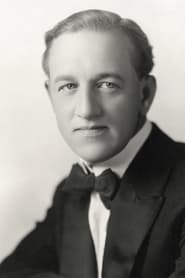
Hampton Del Ruth
Actor
Born: September 7, 1879 in Delaware, Ohio, USA Died: May 15, 1958 Active: 1913-1930
Films
2 films
About Hampton Del Ruth
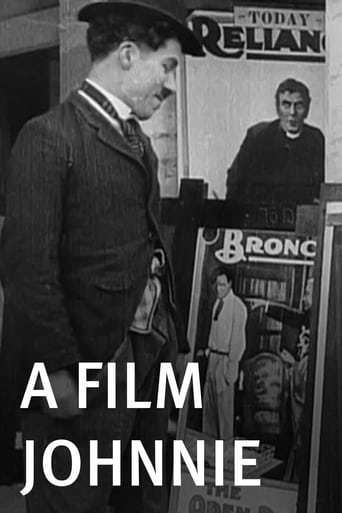
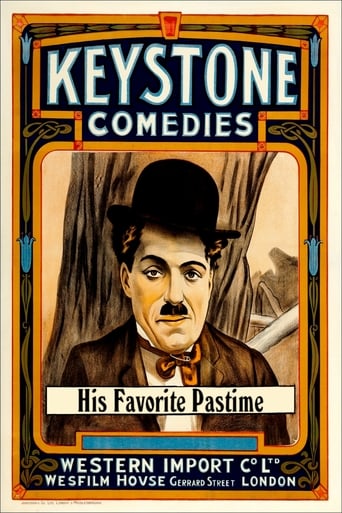
Figure in early American cinema, primarily known as a director, producer, and screenwriter during the silent film era. Born in Ohio in 1879, he began his film career in the early 1910s, joining Keystone Studios where he worked alongside Charlie Chaplin during his formative years. While primarily working behind the camera, Del Ruth did appear in a few acting roles in 1914, including in Chaplin's early shorts 'A Film Johnnie' and 'His Favorite Pastime.' He transitioned to directing and producing, helming numerous comedies and dramas throughout the 1910s and 1920s, working with major studios of the era including Universal and Fox. His the entire silent period, and he successfully navigated the transition to sound films in the late 1920s. By the 1930s, he had largely retired from active filmmaking, though he remained respected in Hollywood circles until his death in 1958.
The Craft
On Screen
As an occasional actor, Del Ruth appeared in minor supporting roles typical of early Keystone comedies, utilizing broad physical comedy and exaggerated expressions characteristic of the silent era style.
Milestones
- Early work at Keystone Studios with Charlie Chaplin
- Directed over 50 silent films
- Successfully transitioned from silent to sound films
- Produced numerous comedy shorts and feature films
- Worked with major Hollywood studios including Universal and Fox
Best Known For
Iconic Roles
Must-See Films
Accolades
Special Recognition
- Pioneer of American Cinema (posthumous recognition)
Working Relationships
Worked Often With
Studios
Why They Matter
Impact on Culture
Hampton Del Ruth was part of the foundational generation of American filmmakers who helped establish the language of cinema. His work at Keystone Studios during the crucial early years of American comedy contributed to the development of film comedy techniques that would influence generations of filmmakers. As a director and producer, he helped create the studio system approach to filmmaking that would dominate Hollywood for decades.
Lasting Legacy
Del Ruth's legacy lies in his contributions to early American cinema, particularly in the comedy genre. While not as famous as some of his contemporaries, his work behind the camera helped shape the industry during its most formative period. His films from the 1910s and 1920s serve as important historical documents of early American filmmaking techniques and storytelling approaches.
Who They Inspired
Del Ruth influenced subsequent generations of filmmakers through his efficient production methods and his ability to work across multiple genres. His work in both comedy and drama demonstrated the versatility required of early film directors, setting a precedent for the multi-talented filmmakers who would follow in Hollywood's golden age.
Off Screen
Hampton Del Ruth was married and had children, though he maintained a relatively private personal life despite his prominent career in early Hollywood. He was known among his contemporaries as a reliable and professional filmmaker who contributed significantly to the development of American cinema during its formative years.
Education
Limited formal education, typical of early film pioneers who learned their craft through practical experience in the emerging film industry
Family
- Eleanor Del Ruth (married 1905-1958)
Did You Know?
- Despite being primarily a director, he appeared as an actor in two Charlie Chaplin films from 1914
- He was one of the few Keystone alumni to successfully transition to major studio directing
- His active years covered the entire silent era, from the early 1910s to the late 1920s
- He worked with virtually every major comedy star of the silent era
- His production company was one of the first to specialize in both short subjects and feature films
- He was known for completing films on time and under budget, making him popular with studio executives
- He directed one of the first feature-length comedy Westerns
- His films are studied today by film historians for their representation of early American cinema techniques
- He was a member of the Motion Picture Directors Association
- He retired from filmmaking before the full implementation of the Hollywood Code system
In Their Own Words
In the early days, we made films by instinct. There were no rules, only possibilities.
Working at Keystone taught me everything about timing and comedy - lessons I used throughout my career.
The transition from silent to sound wasn't as difficult for directors who understood visual storytelling.
Frequently Asked Questions
Who was Hampton Del Ruth?
American on YTB.my. He began his career at Keystone Studios and worked with Charlie Chaplin, later directing numerous films for major Hollywood studios.
What films is Hampton Del Ruth best known for?
Titles linked here include A Film Johnnie (1914), His Favorite Pastime (1914).
When was Hampton Del Ruth born and when did he die?
Born September 7, 1879; died May 15, 1958.
What awards did Hampton Del Ruth win?
While Hampton Del Ruth did not receive major formal awards during his career, he has been posthumously recognized as a pioneer of American cinema for his contributions to early film development.
What was Hampton Del Ruth's directing style?
Del Ruth was known for his efficient, workmanlike directing style with clear storytelling and good pacing. He excelled particularly in comedy and melodrama, with a strong understanding of visual gags and timing that he developed during his time at Keystone Studios.