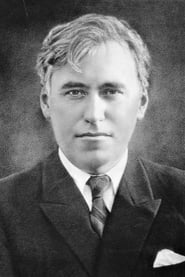
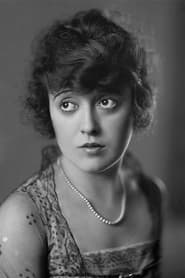
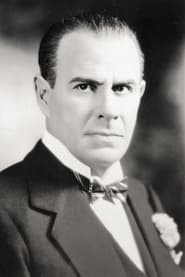
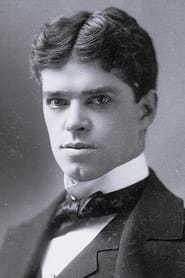
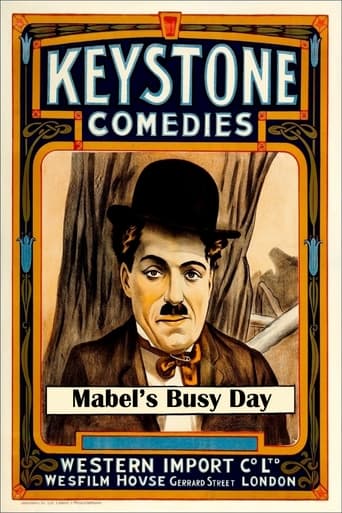
The Water Nymph
"Mabel and her sweetheart go to the beach and play a trick on the boyfriend's father"
Keys: Space play/pause · ←/→ 10s · F fullscreen · M mute · </> speed
About this film
Mabel and her sweetheart go to the beach and play a trick on the boyfriend's father.
Cast & crew
More films like this
More Comedy films
View all →







More from Mack Sennett
View all →

More about this film
About the production
Release dateJuly 1912
ProductionKeystone Studios
Filmed inPacific Ocean, California (likely Santa Monica or Venice Beach area)
This film was produced during the first year of Keystone Studios' operation, when Mack Sennett was still establishing his signature style of rapid-fire slapstick comedy. The beach setting was a common location for early comedies due to its proximity to Hollywood studios and the visual comedy potential of water-related gags. The film was likely shot in one or two days, typical of the fast production schedule of early shorts. Water scenes in this era were particularly challenging due to the bulky cameras and the difficulty of keeping equipment dry.
Themes
Youthful rebellionCourtship and romanceGenerational conflictDeception and trickeryBeach culture
Themes & topics
beachprankdrowning fakefather-daughter relationshipslapstickwater comedycourtshiptrickromancesummer vacation
Historical background
The Water Nymph (1912) emerged during the silent-film era. Mabel and her sweetheart go to the beach and play a trick on the boyfriend's father. Archival records and catalog entries help place the work within film-history surveys of the period.
Why this film matters
Preserved under Wikidata ID Q3212841, The Water Nymph is valued as a comedy within catalog and archive collections. Wikipedia's "The Water Nymph (1912 film)" entry connect it to broader histories of cinema exhibition and restoration.
Making of
The production of 'The Water Nymph' took place during a pivotal moment in cinema history when comedy was transitioning from stage-based theatrical humor to film-specific visual gags. Mack Sennett, who had learned his craft under D.W. Griffith at Biograph Studios, was experimenting with faster pacing and more physical comedy than was typical for the era. The beach location presented unique challenges for 1912 filming - cameras were large, heavy, and not waterproof, requiring careful positioning to capture water action while protecting the expensive equipment. Mabel Normand, who had started as a model and artist, was quickly becoming one of Sennett's most reliable performers, able to convey humor through physical comedy rather than relying on intertitles. The film's simple premise allowed for improvisation on set, a practice Sennett encouraged to capture spontaneous moments of comedy. The relationship between Sennett and Normand both on and off screen added an extra layer of chemistry to their performances, which audiences of the time clearly appreciated.
What critics said
Trade and archival sources offer limited day-one review coverage for The Water Nymph. Modern reception rests on its availability in collections, repertory screenings, and reference works that document 1912 cinema.
Did you know?
- This was one of the earliest films directed by Mack Sennett, who would later become known as 'The King of Comedy' for his pioneering work in slapstick film.
- Mabel Normand was not only the star but also one of the few women in early cinema to have significant creative control, eventually directing her own films.
- Ford Sterling, who plays the father, would become one of Keystone's most recognizable character actors, known for his exaggerated facial expressions.
- The film represents an early example of the 'beach comedy' genre that would become popular throughout the silent era.
- Keystone Studios was founded in 1912, making this one of the studio's inaugural productions.
- The water scenes were filmed without modern safety equipment, making them genuinely risky for the performers.
- This film was released before the term 'slapstick' was commonly used to describe this type of comedy.
- The original film was likely tinted blue for the water scenes, a common practice in early cinema.
- Mack Sennett and Mabel Normand were romantically involved off-screen during this period.
- The film was distributed by the Mutual Film Corporation, one of the major early film distribution companies.
Visual style
The cinematography of 'The Water Nymph' reflects the technical limitations and aesthetic preferences of early 1912 filmmaking. The film was likely shot using a hand-cranked camera with fixed focal length lenses, requiring careful planning of shots to capture the action. The beach location offered natural lighting, which was superior to the artificial lighting available in studios of the era. Water scenes presented particular challenges, as cameras of the period were not waterproof and film stock was sensitive to moisture. The cinematographer would have used protective coverings and careful positioning to capture water action while risking equipment damage. The visual style emphasizes medium shots that capture full body movement, essential for the physical comedy. The film probably employed simple editing techniques with straight cuts between scenes, as more sophisticated editing techniques were still being developed. The camera movement was minimal, consisting mainly of slight pans to follow action, reflecting the heavy and cumbersome nature of early film equipment.
Innovations
While 'The Water Nymph' was not a groundbreaking technical achievement, it demonstrated several important techniques for its time. The successful filming of water sequences represented a technical challenge that many studios avoided in 1912. The film's use of an actual beach location rather than studio sets was relatively innovative for the period, showcasing the advantages of California filming locations. The physical comedy required precise timing between performers and camera, demonstrating an understanding of film rhythm that was still developing in the industry. The film's editing, while simple by modern standards, represented the growing sophistication of narrative construction in early cinema. The preservation of comedy timing through the editing process was particularly important for maintaining the effectiveness of physical gags, showing an early understanding of how film could enhance rather than merely record comedic performances.
Music
As a silent film, 'The Water Nymph' had no synchronized soundtrack but would have been accompanied by live music during theatrical exhibition. Typical accompaniment for a 1912 comedy short would include a pianist or small theater organist playing popular songs of the era, classical pieces, and specially composed mood music. The music would emphasize the comedic moments with jaunty, upbeat tunes and create tension during the apparent drowning sequence with more dramatic selections. Large urban theaters might have employed small orchestras for accompaniment. The musical choices were often left to the discretion of the individual theater's musical director, though studios sometimes provided cue sheets with suggested musical selections. The beach setting might have inspired the use of popular nautical-themed songs or light classical pieces associated with water scenes.
Famous quotes
No dialogue - silent film with intertitles (original intertitles have not been preserved in commonly available versions)
The film relied on visual comedy rather than spoken or written dialogue, typical of the period before intertitles became standardized
Memorable scenes
- The opening scene where Mabel and her sweetheart arrive at the beach, showcasing the freedom and excitement of young love in a restrictive era
- The sequence where Mabel pretends to drown, with increasingly exaggerated flailing and panic from the father character
- The final reveal where the prank is exposed, featuring Ford Sterling's signature over-the-top reaction of humiliation and frustration
What audiences thought
Audiences in 1912 responded enthusiastically to 'The Water Nymph' and similar Keystone comedies, which provided welcome entertainment during an era of rapid industrialization and social change. The film's beach setting and youthful rebellion themes resonated with urban audiences seeking escape from daily routines. Mabel Normand quickly became a fan favorite, with her combination of beauty and comic timing appealing to both male and female viewers. The simple, visual nature of the humor made it accessible to the diverse immigrant populations that formed a significant portion of early cinema audiences. Box office records for individual shorts from this period are scarce, but the continued production of similar films by Keystone indicates strong commercial success. The film's popularity helped establish the profitable formula of short comedies that would dominate American cinema programming throughout the 1910s.
Film connections
Influenced by
- Stage comedies of the vaudeville era
- Early French comedies by Georges Méliès
- Biograph Studios comedies
- Music hall traditions
- Silent era physical comedy traditions
This film influenced
- Later Keystone beach comedies
- Harold Lloyd's safety last films
- Buster Keaton's water comedies
- The Beach Party films of the 1960s
- Modern romantic comedies with beach settings
Film restoration
The preservation status of 'The Water Nymph' is somewhat unclear, as many Keystone Studios shorts from this early period have been lost or survive only in incomplete form. Some versions exist in film archives and have been transferred to digital formats, though the quality varies depending on the source material. The film is believed to survive at least in part, as it has been included in some collections of early comedy works. However, like many films from 1912, it may not exist in its complete original form, and some scenes or intertitles may be missing. The Museum of Modern Art and the Library of Congress hold collections of Keystone films that may include this title. Preservation efforts for early comedy shorts have increased in recent decades, recognizing their historical importance in the development of American cinema.
Where to watch
- YouTube (various uploads of public domain Keystone shorts)
- Internet Archive (public domain collections)
- DVD collections of early Mack Sennett comedies
- Film archive screenings (occasionally programmed in silent film series)
- Streaming services specializing in classic cinema (availability varies by region)