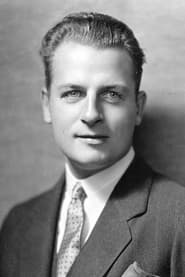
Reginald Denny
Actor
Born: November 20, 1891 in Richmond, Surrey, England Died: June 16, 1967 Active: 1915-1958 Birth Name: Reginald Leigh Dugmore
Films
9 films
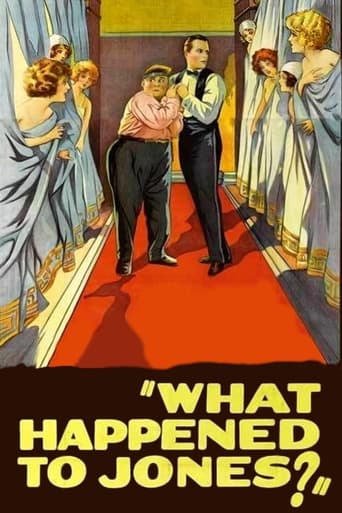
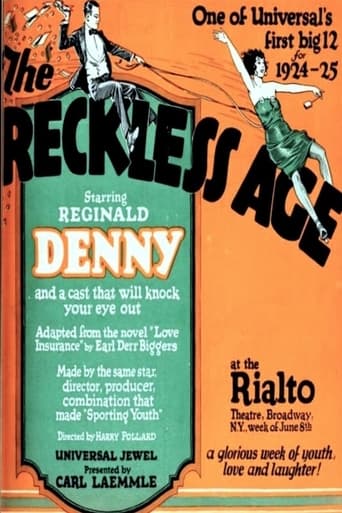
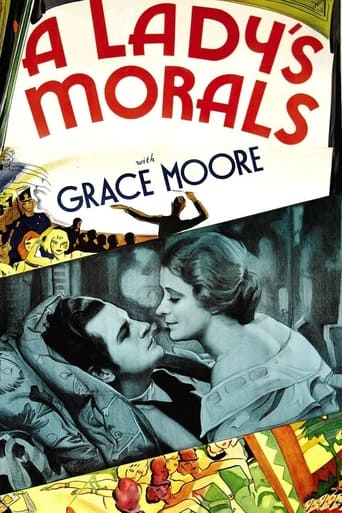
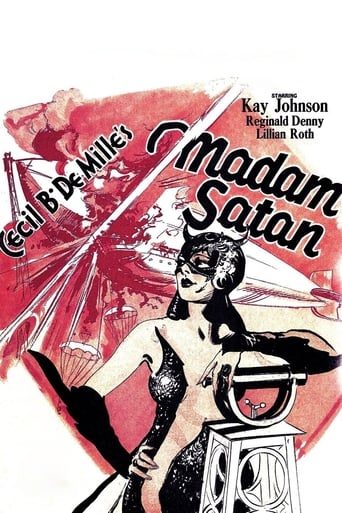
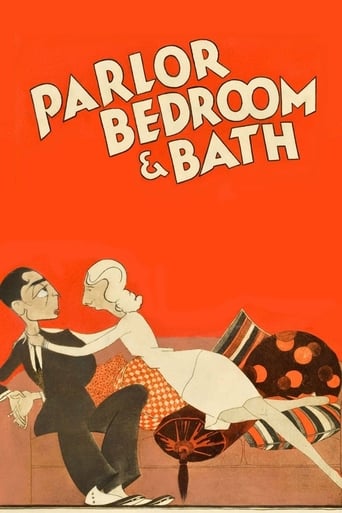
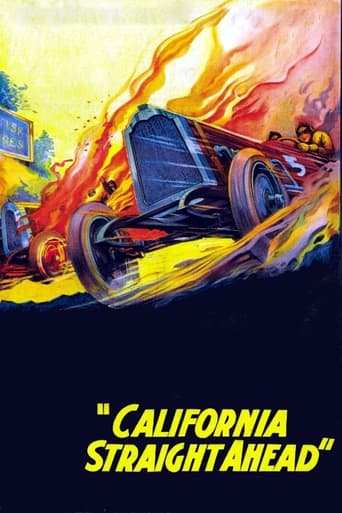
About Reginald Denny
British-American actor: the silent era through Hollywood's golden age, marked by his sophisticated screen presence and remarkable adaptability. Born into a theatrical family in Richmond, Surrey, England, Denny began his career on the London stage before serving as a fighter pilot in World War I. After the war, he moved to Hollywood and quickly became a popular leading man in silent films during the 1920s, known for his dashing appearance and refined British charm. Denny successfully navigated the challenging transition to talkies, though his leading man status gradually diminished, leading him to embrace character roles where he found continued success. Beyond his acting career, Denny — aviation enthusiast who co-founded Reginald Denny Industries, which initially manufactured model airplanes and later developed radio-controlled target drones for the U.S. Military during World War II. His dual legacy encompasses both his contributions to cinema as a versatile performer and his innovations in aviation technology that would influence military and civilian applications for decades. Denny appeared in over 200 films before retiring in the late 1950s, leaving an indelible mark on both Hollywood history and technological advancement.
The Craft
On Screen
Reginald Denny was known for his sophisticated, debonair screen presence that perfectly embodied the archetype of the refined English gentleman. His acting style combined naturalistic delivery with a polished theatricality that served him well in both silent and sound films. In silent cinema, he excelled at conveying emotion through subtle facial expressions and body language, while in talkies, his distinctive British accent and measured delivery added authenticity to his characterizations. Denny possessed remarkable versatility, seamlessly transitioning from romantic leads to comic roles and eventually to character parts as he aged, always maintaining his trademark charm and dignity.
Milestones
- Became a leading man in silent films during the 1920s
- Successfully transitioned from silent films to talkies
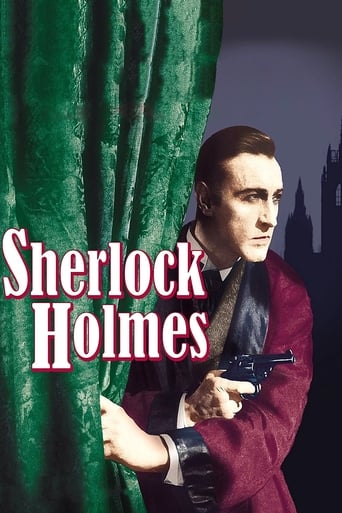
- Starred as Sherlock Holmes in the 1922 film adaptation
- Co-founded Reginald Denny Industries for model airplanes
- Developed radio-controlled target drones for the U.S. Military
- Appeared in over 200 films throughout his career
- Received a star on the Hollywood Walk of Fame
Best Known For
Iconic Roles
Must-See Films
Accolades
Won
- Hollywood Walk of Fame Star (located at 6631 Hollywood Boulevard)
Special Recognition
- Military commendations for his contributions to drone technology during WWII
- Aviation Hall of Fame recognition for his innovations in remote control technology
- Pioneer in Model Aviation award
Working Relationships
Worked Often With
Studios
Why They Matter
Impact on Culture
Reginald Denny's cultural impact extends beyond his contributions to cinema into the realm of technological innovation. As one of the few British actors to maintain steady employment in Hollywood through the transition from silent to sound films, he represented the adaptability required for success in the rapidly changing film industry. His portrayal of Sherlock Holmes in 1922 helped establish the character's visual identity for future film adaptations. More significantly, Denny's work in aviation technology through Reginald Denny Industries had profound implications for military warfare, with his radio-controlled drones becoming precursors to modern unmanned aerial vehicles. His company's innovations also influenced civilian technology, contributing to early developments in remote control systems that would eventually be applied to television and other consumer electronics. Denny embodied the multi-faceted nature of early Hollywood figures, who often pursued diverse interests beyond entertainment.
Lasting Legacy
Reginald Denny's legacy is twofold: as a significant figure in early Hollywood cinema and as a pioneer in aviation technology. In film history, he represents the successful transition from silent film stardom to character actor status in the sound era, demonstrating the adaptability required for longevity in Hollywood. His extensive filmography, spanning over 200 movies, provides a valuable record of cinematic techniques and storytelling from the silent era through the golden age of Hollywood. In the technological realm, his innovations in remote control technology through Reginald Denny Industries laid groundwork for modern drone technology and influenced military aviation for decades. The company he founded eventually became part of Northrop Corporation, continuing its influence on aerospace development. Denny's dual legacy as both entertainer and innovator makes him a unique figure in American cultural history, bridging the worlds of art and science.
Who They Inspired
Reginald Denny influenced both the film industry and aviation technology in distinct ways. As an actor, he demonstrated to his contemporaries how to successfully navigate the challenging transition from silent films to talkies, serving as a model for other performers facing similar career challenges. His sophisticated British persona helped establish the archetype of the refined English gentleman in American cinema, influencing how such characters would be portrayed for decades. In the technological sphere, his work with radio-controlled aircraft directly influenced military strategy and technology development during World War II and beyond. His company's innovations in remote control systems had ripple effects across multiple industries, from military applications to consumer electronics. Denny's entrepreneurial spirit also inspired other entertainers to pursue business ventures outside of their primary entertainment careers, showing that creative individuals could make meaningful contributions to technology and industry.
Off Screen
Reginald Denny led a fascinating life that balanced his entertainment career with his passion for aviation and technology. He married three times throughout his life: first to actress Irene Haugh from 1919 to 1925, then to Isabelle 'Belle' Logan from 1928 to 1931, and finally to Betsy Lee in 1931, with whom he remained until his death in 1967. Denny had one daughter, Barbara, from his first marriage. Beyond his film career, he was an accomplished athlete in his youth, serving as a champion boxer and later becoming a skilled polo player. His most significant personal achievement was founding Reginald Denny Industries, which began as a hobby shop selling model airplanes but evolved into a company that developed crucial military technology. Denny was known for his intelligence, wit, and British charm, making him a popular figure both on and off the Hollywood set.
Education
Attended private schools in England; received formal training in acting and stagecraft in London before moving to the United States
Family
- Irene Haugh (1919-1925)
- Isabelle 'Belle' Logan (1928-1931)
- Betsy Lee (1931-1967)
Did You Know?
- Served as a fighter pilot in the Royal Flying Corps during World War I
- Was a champion boxer in his youth before entering acting
- Co-founded Reginald Denny Industries, which started as a model airplane shop
- Developed the 'Radioplane' series of radio-controlled target drones for the U.S. Army
- His company's drones were used for anti-aircraft training during WWII
- Marilyn Monroe was discovered while working at his Radioplane factory
- Was an accomplished polo player and participated in celebrity tournaments
- His company was eventually acquired by Northrop Corporation
- Appeared in over 200 films during his 40+ year career
- Was one of the few actors to successfully transition from silent film leading man to sound film character actor
- His model airplane kits were among the most popular in the United States during the 1930s
- Received military commendations for his contributions to aviation technology
In Their Own Words
Acting is a business where you have to be constantly learning. The day you think you know it all is the day you should quit.
The transition from silent to sound films was like learning to walk again. Some of us made it, some didn't. I was lucky to adapt.
My model airplane hobby started as a way to relax between pictures, but it became something much more important than I ever imagined.
Frequently Asked Questions
Who was Reginald Denny?
British-American with credits in this catalog. He appeared in over 200 films and was also a pioneer in developing radio-controlled aircraft technology for military use.
What films is Reginald Denny best known for?
Titles linked here include Sherlock Holmes (1922), The Reckless Age (1924).
When was Reginald Denny born and when did he die?
Born November 20, 1891; died June 16, 1967.
What awards did Reginald Denny win?
Reginald Denny received a star on the Hollywood Walk of Fame and was recognized for his contributions to aviation technology, though he did not receive major film industry awards like Academy Awards.
What was Reginald Denny's acting style?
Denny was known for his sophisticated, debonair screen presence that embodied the refined English gentleman archetype. He excelled at subtle emotional expression in silent films and adapted his style to talkies with his distinctive British accent and measured delivery.
How did Reginald Denny contribute to aviation technology?
Denny founded Reginald Denny Industries, which developed radio-controlled target drones for the U.S. Military during WWII. His Radioplane drones were crucial for anti-aircraft training and laid groundwork for modern drone technology. Marilyn Monroe was discovered while working at his factory.
What was Reginald Denny's legacy in Hollywood?
Denny's legacy includes being one of the few actors who successfully transitioned from silent film leading man to sound film character actor, appearing in over 200 films. He also represents the multi-talented nature of early Hollywood figures who pursued diverse interests beyond entertainment.