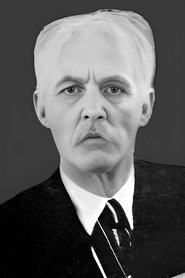
Frederick Vroom
Actor
Born: November 11, 1857 in Clementsport, Nova Scotia, Canada Died: June 17, 1942 Active: 1912-1942
Films
4 films
About Frederick Vroom
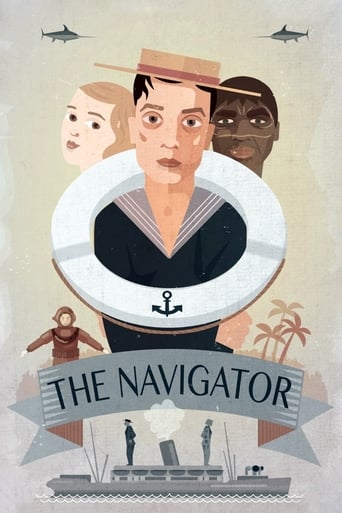
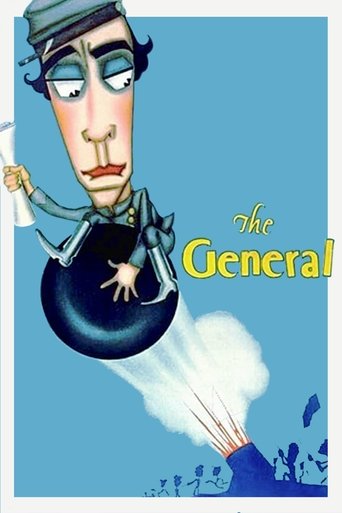
Canadian-American character actor: the transition from silent films to early talkies. Born in Nova Scotia in 1857, Vroom began his career in theater before transitioning to cinema in the early 1910s. He established himself as a reliable character actor, often portraying authority figures such as judges, military officers, bankers, and wealthy gentlemen. Vroom worked with some of the biggest stars of the silent era, most notably appearing in multiple Buster Keaton classics including 'The Navigator' (1924) and 'The General' (1926). His dignified presence and commanding bearing made him a perfect foil for comedy stars, and he appeared in over 200 films throughout his career. Despite never achieving leading man status, Vroom became recognizable supporting actors of his era. He continued working well into the sound era, adapting his style for talking pictures until his death in 1942 at the age of 84.
The Craft
On Screen
Vroom was known for his dignified, authoritative presence and precise, theatrical delivery. His acting style was rooted in his stage experience, characterized by measured movements and a commanding screen presence. He specialized in playing establishment figures with gravitas, using his tall stature and formal bearing to create memorable characters. In comedy films, he served as an excellent straight man, his serious demeanor providing the perfect contrast to the physical comedy of stars like Buster Keaton. His performances were marked by consistency and reliability, making him a favorite among directors seeking dependable character actors.
Milestones
- Transition from theater to film in early 1910s
- Regular collaborator with Buster Keaton
- Appeared in over 200 films
- Successful transition from silent to sound films
- Worked with Charlie Chaplin in multiple films
Best Known For
Iconic Roles
Must-See Films
Accolades
Special Recognition
- Prolific character actor recognized for over 200 film appearances
- Respected figure in early Hollywood community
Working Relationships
Worked Often With
Studios
Why They Matter
Impact on Culture
Frederick Vroom contributed significantly to the golden age of silent comedy by providing the perfect dramatic counterpoint to comic geniuses like Buster Keaton and Charlie Chaplin. His ability to play authority figures with both gravitas and subtle humor helped create the dynamic tension essential to classic silent comedy structure. Vroom represented the type of reliable character actor that formed the backbone of Hollywood's studio system, demonstrating how supporting performers could become familiar and beloved faces to audiences. His successful transition from silent to sound films exemplified the adaptability required of actors during this revolutionary period in cinema history. Vroom's body of work serves as a valuable record of the types of characters and performance styles that defined early American cinema.
Lasting Legacy
Frederick Vroom's legacy lies in his extensive filmography that spans the formative years of American cinema. With over 200 appearances, he created a blueprint for the career character actor that would be followed by generations of performers. His collaborations with silent comedy masters have ensured his continued recognition among film historians and classic cinema enthusiasts. Vroom's ability to adapt from stage to silent film to talkies demonstrated remarkable versatility and professional longevity. Today, he is remembered as an essential part of the ensemble casts that made silent comedy classics work, his presence adding authenticity and depth to the films he graced.
Who They Inspired
Vroom influenced subsequent generations of character actors by demonstrating how to build a successful career through reliability and versatility rather than stardom. His work with comedy legends helped establish the template for the straight man role in film comedy. Younger actors in the studio system looked to his example of professionalism and adaptability during the challenging transition to sound. His dignified portrayal of authority figures influenced how such characters would be depicted in American cinema for decades. Vroom's career trajectory showed that character actors could achieve both artistic fulfillment and financial success without ever becoming leading stars.
Off Screen
Frederick Vroom maintained a relatively private personal life despite his lengthy Hollywood career. He married Margaret Vroom, who was also involved in the entertainment industry, and they had children together. The family resided in Hollywood during the height of his film career. Vroom was known as a professional and reliable actor who maintained good relationships within the industry. His longevity in the business, spanning three decades, suggested a stable personal life that supported his demanding career. He continued working until shortly before his death, indicating his dedication to his craft.
Education
Educated in Nova Scotia, Canada; theatrical training in the late 19th century
Family
- Margaret Vroom
Did You Know?
- Born in the same year as the first known motion picture was patented
- Appeared in films with both Charlie Chaplin and Buster Keaton, the two giants of silent comedy
- Was already 55 years old when he began his most prolific film period in the 1920s
- His active years covered from the early days of feature films to the Golden Age of Hollywood
- Often played military officers, likely drawing on his formal bearing and stage experience
- Worked with three of the silent era's biggest comedy stars: Chaplin, Keaton, and Harold Lloyd
- Continued acting into his 80s, well beyond the typical retirement age of the era
- His filmography includes some of the most celebrated silent films ever made
- Represented the transition from 19th-century theatrical acting to modern film performance
- Was one of the oldest working actors in Hollywood during his final years
In Their Own Words
(On working with Buster Keaton) 'He was a perfectionist who demanded the best from everyone, but always with kindness and humor'
(On the transition to sound) 'The challenge wasn't learning to speak, but learning not to over-speak after years of silent expression'
Frequently Asked Questions
Who was Frederick Vroom?
Screen credits include over 200 films during the silent era and early sound period. He was best known for playing authority figures and working with comedy legends like Buster Keaton and Charlie Chaplin.
What films is Frederick Vroom best known for?
Titles linked here include The General (1926), The Navigator (1924).
When was Frederick Vroom born and when did he die?
Born November 11, 1857; died June 17, 1942.
What awards did Frederick Vroom win?
During his era, character actors like Vroom rarely received formal awards or nominations. His recognition came through his prolific career and the respect of his peers in the Hollywood studio system.
What was Frederick Vroom's acting style?
Vroom's acting style was characterized by his dignified, authoritative presence and theatrical training. He excelled at playing establishment figures with gravitas, serving as an excellent straight man in comedies while bringing authenticity to dramatic roles.
How long was Frederick Vroom's career?
Vroom's film active years covered three decades, from 1912 to 1942, making him one of the longest-working actors of his generation and allowing him to witness the entire transition from silent films to sound.