William Austin
Actor
Born: May 12, 1884 in London, England Died: June 15, 1935 Active: 1919-1935
Films
6 films
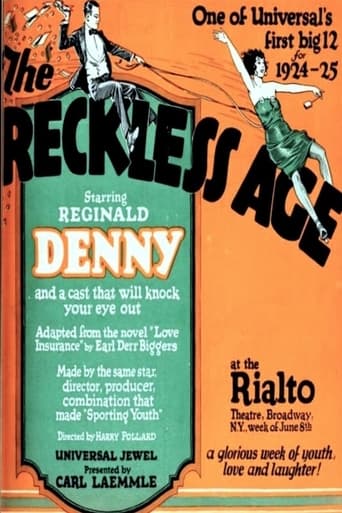
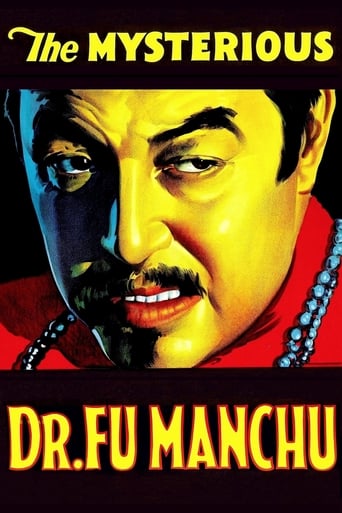
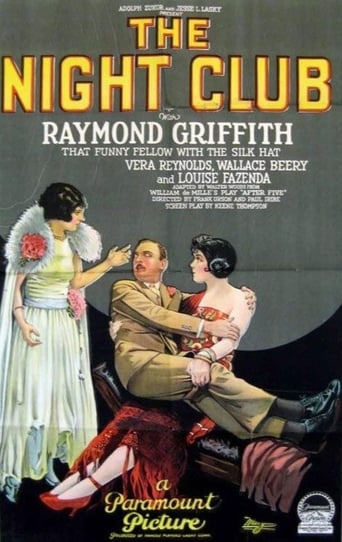
About William Austin
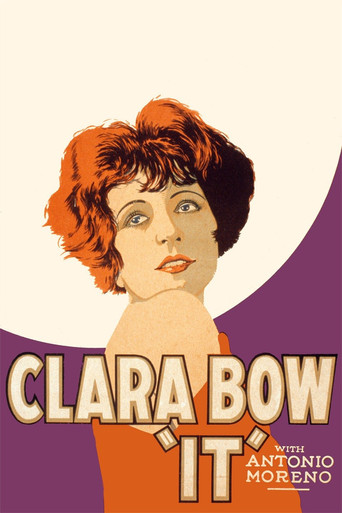
Prolific English character actor who found success in Hollywood during the silent film era and transitioned into early talkies. Born in England in 1884, he began his acting career on the British stage before emigrating to the United States to pursue opportunities in the burgeoning film industry. Austin quickly established himself as a reliable supporting player, appearing in over 80 films between 1919 and his untimely death in 1935. He worked with many of the era's biggest stars, including Clara Bow in the film 'It' (1927), where he played the wealthy suitor. Austin was particularly adept at comedic roles, often portraying stuffy butlers, befuddled gentlemen, or upper-class types with perfect timing. His the crucial transition period from silent films to sound, and he successfully adapted his acting style to accommodate the new technology. Despite never achieving leading man status, Austin became a familiar face to movie audiences of the 1920s and early 1930s, known for his distinctive appearance and reliable performances in both comedies and dramas.
The Craft
On Screen
Austin specialized in portraying upper-class gentlemen and authority figures with a comedic touch. His acting style was characterized by precise timing, exaggerated mannerisms, and the ability to convey both dignity and befuddlement simultaneously. In silent films, he used expressive facial features and body language to communicate character traits, particularly excelling at playing stuffy butlers, wealthy businessmen, and confused aristocrats. His transition to sound films showcased his pleasant voice and British accent, which added authenticity to his roles as English gentlemen.
Milestones
- Appeared in over 80 films during his 16-year career
- Successfully transitioned from silent films to talkies
- Worked with major stars including Clara Bow, Harold Lloyd, and Buster Keaton
- Played memorable supporting roles in classic silent comedies
- Became a recognizable character actor in Hollywood's Golden Age
Best Known For
Iconic Roles
Must-See Films
Working Relationships
Worked Often With
Studios
Why They Matter
Impact on Culture
William Austin contributed to the Hollywood's silent era by providing essential supporting performances that enhanced the work of leading actors. His portrayal of the British gentleman archetype helped establish cultural stereotypes in American cinema that would persist for decades. As a character actor who successfully navigated the transition from silent to sound films, Austin represented the adaptability required of actors during this revolutionary period in film history. His work in films like 'It' helped create the template for the romantic comedy genre, particularly in his role as the wealthy but ultimately rejected suitor.
Lasting Legacy
While not a household name, William Austin's legacy lives on through his extensive filmography, which provides valuable documentation of silent era and early sound cinema techniques. His performances serve as examples of the specialized skills required of character actors during Hollywood's formative years. Austin's ability to consistently deliver reliable performances in a wide variety of roles demonstrated the importance of supporting players in creating memorable films. His work continues to be studied by film historians and enthusiasts interested in the craft of character acting during cinema's transition to sound.
Who They Inspired
Austin influenced subsequent generations of character actors, particularly those specializing in portraying British or upper-class characters in American films. His technique of using subtle humor while maintaining character dignity became a model for similar roles throughout Hollywood history. His successful transition from silent to sound films provided a template for other actors facing the same challenge, demonstrating how to adapt performance styles without losing essential character traits.
Off Screen
William Austin married actress Mary Earl in 1920, and they remained together until his death in 1935. The couple had no children. Austin was known in Hollywood circles as a dedicated professional who took his craft seriously despite often being cast in minor roles. He maintained his British citizenship throughout his life in America, which occasionally limited the types of roles he could play. His death at age 51 was attributed to a heart attack, cutting short a career that was still active and productive.
Education
Educated in England, likely received formal training in dramatic arts before beginning his stage career
Family
- Mary Earl (1920-1935)
Did You Know?
- Born in London but spent most of his career in Hollywood
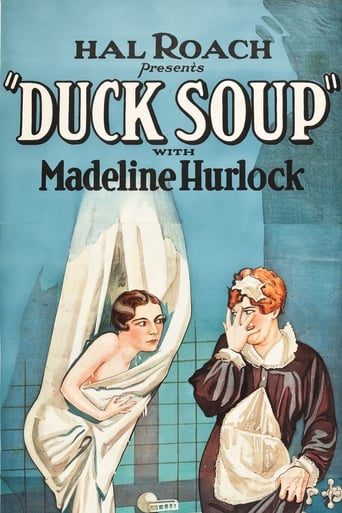
- Appeared in both the 1927 silent 'Duck Soup' and worked with the Marx Brothers who would later make their famous film of the same name
- His final film appearance was in 'The Gay Bride' (1934)
- Often played characters much older than his actual age
- Was a favorite of director Frank Capra, appearing in several of his early films
- Maintained his British accent throughout his American film career
- Never received on-screen credit for many of his early film roles
- Died just as his career was gaining momentum in sound films
- Was one of the few British actors to successfully transition from English stage to American silent cinema
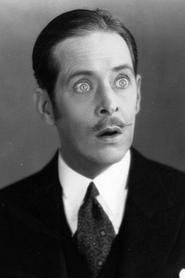
- His distinctive mustache became his trademark in many roles
In Their Own Words
As a character actor, I'm not meant to be remembered, I'm meant to be believed in the moment
The transition from silence to sound didn't change my approach - I always believed in telling the story through the eyes
Frequently Asked Questions
Who was William Austin?
Prolific English character with credits in this catalog. He was known for playing upper-class gentlemen, butlers, and supporting comedic roles in films like Clara Bow's 'It' (1927).
What films is William Austin best known for?
When was William Austin born and when did he die?
Born May 12, 1884; died June 15, 1935.
What awards did William Austin win?
William Austin did not receive any major awards during his career, which was typical for character actors of his era. His contributions were recognized through consistent employment and respect from his colleagues rather than formal accolades.
What was William Austin's acting style?
Austin specialized in portraying upper-class British characters with a comedic touch, using precise timing, exaggerated mannerisms, and expressive facial features. He successfully adapted his style from silent films to talkies, maintaining his distinctive British accent and gentlemanly demeanor throughout his career.