Films
4 films
About Loretta Blake
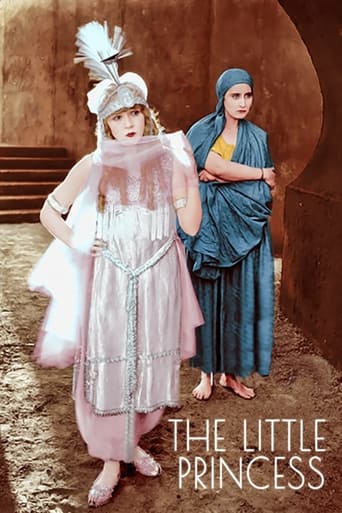
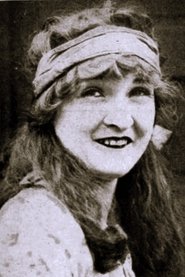
Silent film actress who had a remarkably brief but notable career during the transitional period of American cinema in the mid-1910s. She emerged in 1916 during the golden age of silent films, a time when the industry was rapidly evolving and establishing its star system. Blake appeared in supporting roles that showcased the dramatic acting style characteristic of the era, relying heavily on facial expressions and body language to convey emotion. Her most significant work came in 1917 with her role in the acclaimed adaptation of Frances Hodgson Burnett's novel 'A Little Princess,' starring the Mary Pickford. This film represented one of the high points of her short career, as she worked alongside one of the biggest stars of the silent era. Despite her promising start and association with quality productions, Blake's film career appears to have concluded after 1917, making her one of many talented performers from the silent era whose time in the spotlight was tragically brief. Her story exemplifies the transient nature of early Hollywood stardom, where countless actors and actresses appeared in films but failed to achieve lasting fame.
The Craft
On Screen
Loretta Blake employed the dramatic, expressive acting style typical of the silent film era, using exaggerated facial expressions and gestures to convey emotion to audiences without the benefit of synchronized sound. Her performances would have emphasized theatricality and visual storytelling, techniques essential for actors in early cinema who needed to communicate complex emotions through movement and expression alone.
Milestones
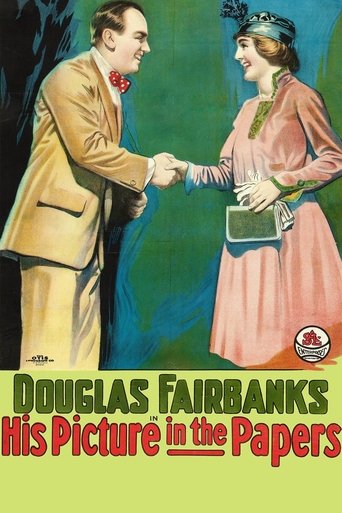
- Debut in 'His Picture in the Papers' (1916)
- Supporting role in 'A Little Princess' (1917) starring Mary Pickford
- Work during the formative years of Hollywood's studio system
Best Known For
Iconic Roles
Must-See Films
Working Relationships
Worked Often With
Why They Matter
Impact on Culture
Loretta Blake's cultural impact was minimal due to her extremely brief career in the film industry, lasting only from 1916 to 1917. However, her participation in 'A Little Princess' connects her to one of the important literary adaptations of the silent era, a film that helped establish Mary Pickford as 'America's Sweetheart' and demonstrated the commercial viability of adapting classic literature for the screen. Blake represents the countless supporting actors who contributed to early cinema's development but whose names have been largely lost to history.
Lasting Legacy
Loretta Blake's legacy is primarily that of a representative figure from the early days of Hollywood, exemplifying the transient nature of stardom in the silent film era. While she did not achieve lasting fame, her work survives as part of the historical record of American cinema's formative years. Her appearance in 'A Little Princess' ensures she has a small but permanent place in film history, connected to one of the era's most beloved stars and productions.
Who They Inspired
Given her brief career and limited filmography, Loretta Blake had minimal direct influence on subsequent generations of actors or filmmakers. However, like all performers from the silent era, she contributed to the development of film acting techniques that would evolve and influence cinema for decades to come.
Off Screen
Very little is documented about Loretta Blake's personal life, which is not uncommon for actors of her era who had brief careers and limited public recognition. Like many supporting players in early Hollywood, her life story remains largely unknown to film historians, with no extensive biographical records or personal accounts available.
Did You Know?
- Loretta Blake's entire known filmography consists of only two films from 1916-1917
- She worked with Mary Pickford,
- Her most notable film 'A Little Princess' was considered a major production of its time
- Blake represents one of the many actors from early Hollywood whose complete life stories remain undocumented
- Her active years covered during World War I, a period that saw significant changes in the film industry
- The films she appeared in were made before Hollywood established itself as the undisputed center of American film production
Frequently Asked Questions
Who was Loretta Blake?
Silent film actress who had a brief career in 1916-1917, appearing in 'His Picture in the Papers' and 'A Little Princess.' She was a supporting player during the formative years of Hollywood's studio system.
What films is Loretta Blake best known for?
Titles linked here include His Picture in the Papers (1916), A Little Princess (1917).
When was Loretta Blake active in films?
Loretta Blake's film career was extremely brief, spanning only from 1916 to 1917 during the silent film era.
Did Loretta Blake work with any famous stars?
Yes, she appeared in 'A Little Princess' (1917) alongside Mary Pickford, who was one of the biggest stars and most powerful figures in early Hollywood.
What was Loretta Blake's acting style?
Blake used the dramatic, expressive style typical of silent film actors, relying on facial expressions and gestures to convey emotion without synchronized sound.