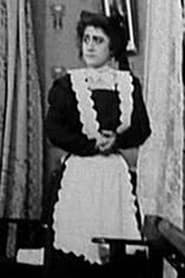
Anita Hendrie
Actor
Born: 1866 in Philadelphia, Pennsylvania, United States Died: March 15, 1940 Active: 1909
Films
19 films
The Son's Return
1909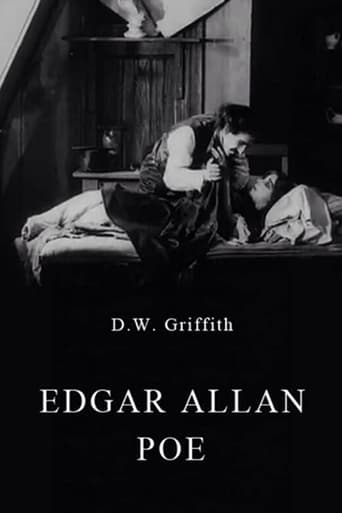
Edgar Allan Poe
1909
At the Altar
1909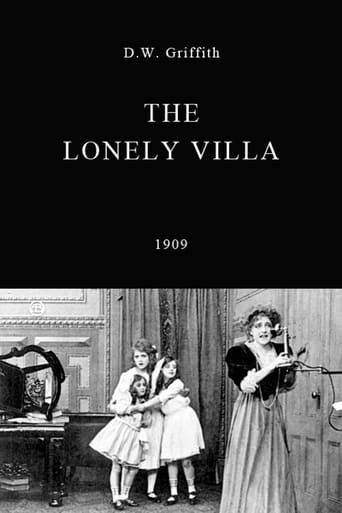
The Lonely Villa
1909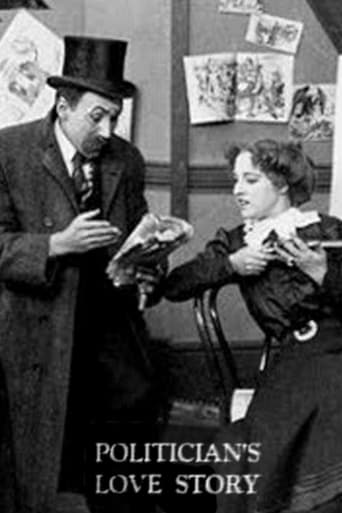
The Politician's Love Story
1909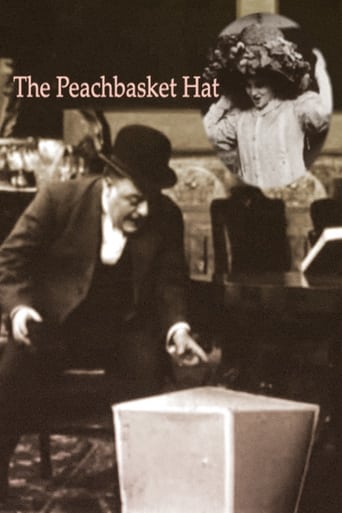
The Peachbasket Hat
1909
The Golden Louis
1909
The Lure of the Gown
1909
A Drunkard's Reformation
1909
The Cord of Life
1909
The Voice of the Violin
1909
Lucky Jim
1909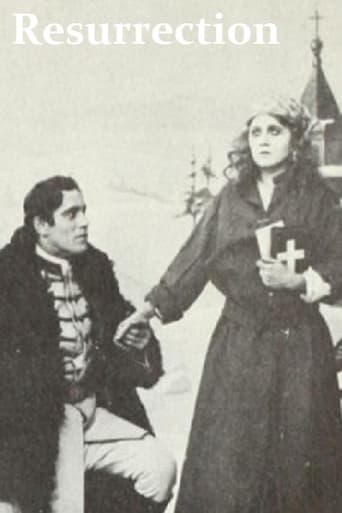
Resurrection
1909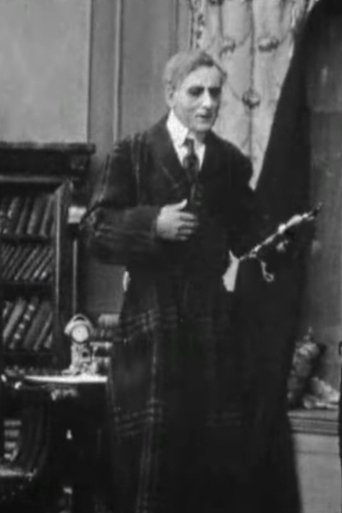
Two Memories
1909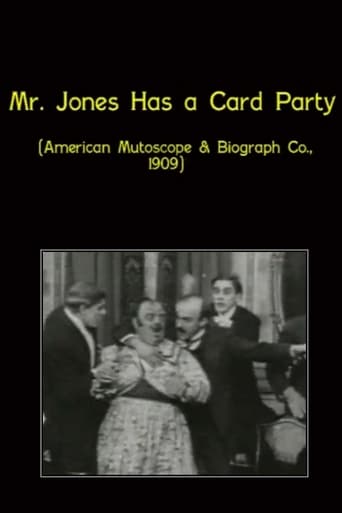
Mr. Jones Has a Card Party
1909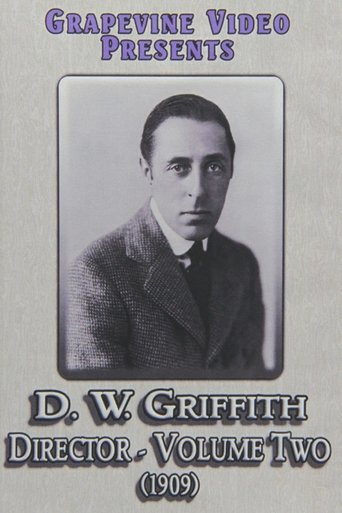
The Joneses Have Amateur Theatricals
1909 Confidence
1909
The Cricket on the Hearth
1909About Anita Hendrie
Made her mark during the days of silent cinema, working primarily with the Biograph Studio in 1909. Born in 1866, she was already in her forties when she entered the film industry, which was quite unusual for actresses of that era who were typically much younger. Hendrie became part of D.W. Griffith's stock company at Biograph during his formative years as a director, appearing in numerous short films that helped establish the language of cinema. Her mature appearance made her ideal for maternal roles, and she frequently played mothers, aunts, and other respectable female characters in Griffith's early melodramas and comedies. Despite her brief film career lasting only one year, she appeared in approximately 30-40 films, making her one of the more prolific actresses of that period. Hendrie's work represents an important contribution to the foundation of American narrative cinema, though like many early film performers, her legacy has been largely overshadowed by the directors and younger stars who followed. After 1909, she seemingly disappeared from the film industry, returning to a life of relative obscurity until her death in 1940.
The Craft
On Screen
Anita Hendrie's acting style was typical of the theatrical approach common in early cinema, characterized by broad gestures and exaggerated expressions necessary to convey emotion to silent film audiences. As an older actress, she brought a sense of maturity and gravitas to her maternal roles, using her life experience to create believable characters in an era when film acting was still evolving from stage techniques. Her performances, while perhaps dated by modern standards, were effective in the context of early 20th century cinema where subtlety was often lost in the technical limitations of the medium.
Milestones
- Member of D.W. Griffith's Biograph stock company
- Appeared in over 30 films in 1909
- actress in early American cinema
- Frequent performer in maternal and supporting roles
- Contributed to the development of narrative film techniques
Best Known For
Iconic Roles
Must-See Films
Accolades
Special Recognition
- Recognized as a actress in early American cinema
Working Relationships
Worked Often With
Studios
Why They Matter
Impact on Culture
Anita Hendrie's cultural impact lies in her contribution to the foundational period of American cinema, particularly through her work with D.W. Griffith at Biograph. As part of Griffith's stock company during his most experimental and formative years, she participated in the development of cinematic language and storytelling techniques that would influence generations of filmmakers. Her presence in these early films helped establish the importance of character actors and supporting players in creating believable dramatic worlds, even in the brief one-reel format of the era. Though not a star by any measure, her work represents the collective effort of countless early film pioneers who laid the groundwork for Hollywood's golden age.
Lasting Legacy
Anita Hendrie's legacy is that of a representative figure from cinema's earliest days, one of the many dedicated performers who helped establish film as a legitimate art form and entertainment medium. While she never achieved fame or recognition in her lifetime, her surviving performances in Griffith's Biograph films serve as valuable historical documents of early American cinema and the evolution of screen acting. Film historians and silent cinema enthusiasts recognize her as part of the crucial foundation upon which the Hollywood studio system would be built, even if her individual contribution was modest and brief.
Who They Inspired
Anita Hendrie's direct influence on subsequent performers is difficult to trace due to her short career and the obscurity that followed. However, as part of Griffith's company, she contributed to the development of screen acting techniques that would be refined and expanded by later generations of actors. Her work in establishing believable maternal characters helped demonstrate that films could tackle complex emotional stories and relationships, paving the way for more sophisticated dramatic performances in the years that followed. The professional standards and work ethic demonstrated by early film pioneers like Hendrie undoubtedly influenced the emerging film industry's approach to casting and performance.
Off Screen
Very little is documented about Anita Hendrie's personal life beyond her brief film career. She was born in Philadelphia in 1866 and entered the film industry at the relatively advanced age of 43, suggesting she may have had previous experience in theater or other performing arts. After her single year in films, she returned to private life, and details about her family, marriages, or children remain largely unknown to film historians. Her death in 1940 at approximately age 74 marked the end of a life that briefly intersected with cinema history but otherwise remained outside the public eye.
Education
No formal education records are available, though her theatrical presence suggests possible stage training or experience.
Did You Know?
- Anita Hendrie's entire film career lasted only one year - 1909
- She was already in her forties when she began acting in films, making her significantly older than most actresses of the silent era
- She appeared in approximately 30-40 films during her single year of activity
- All of her known films were directed by D.W. Griffith for Biograph Studio
- She frequently played maternal roles despite having no known children of her own
- Like many early film actors, she came from a theatrical background
- Her films were all one-reel shorts, typically running 10-15 minutes
- She worked alongside future stars like Mary Pickford and Mack Sennett before they became famous
- No interviews or personal writings from Hendrie are known to exist
- Her death in 1940 went largely unnoticed by the film industry she had helped establish
Frequently Asked Questions
Who was Anita Hendrie?
American actress who worked briefly in silent films during 1909, primarily with D.W. Griffith at the Biograph Studio. She was part of Griffith's stock company and appeared in numerous short films during this pivotal year in early American cinema history.
What films is Anita Hendrie best known for?
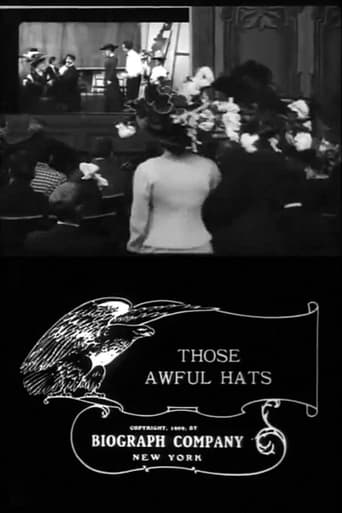
Titles linked here include Those Awful Hats (1909), The Lonely Villa (1909).
When was Anita Hendrie born and when did she die?
Born 1866; died March 15, 1940.
What awards did Anita Hendrie win?
Anita Hendrie did not receive any formal awards or recognition during her lifetime or posthumously. Her contribution to cinema is recognized historically as part of the era of American film rather than through individual accolades.
What was Anita Hendrie's acting style?
Hendrie's acting style was typical of the early silent era, featuring the theatrical and exaggerated expressions necessary to convey emotion without sound. As a mature actress, she specialized in maternal roles, bringing gravitas and believability to mother characters in Griffith's early melodramas.