Films
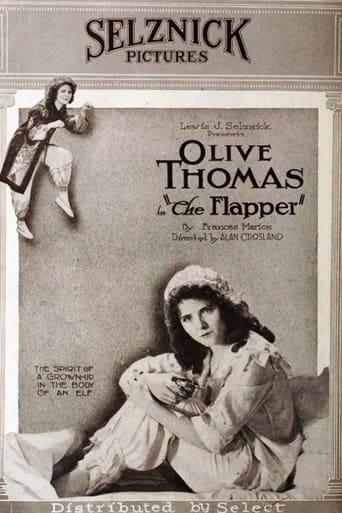
7 films



About Charles Craig
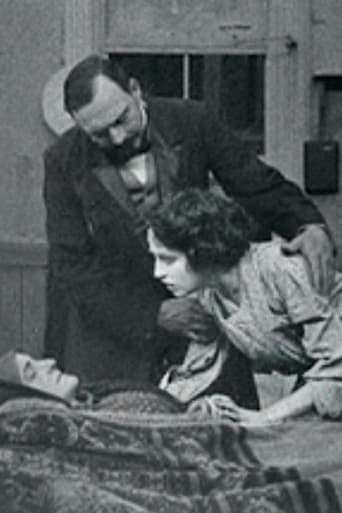
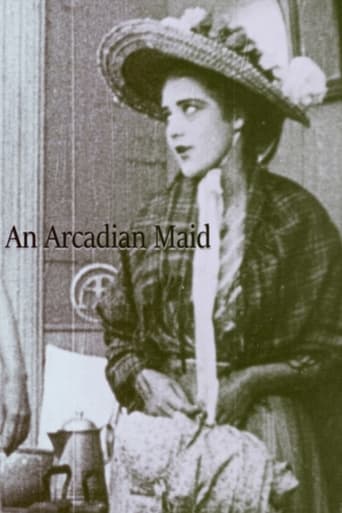
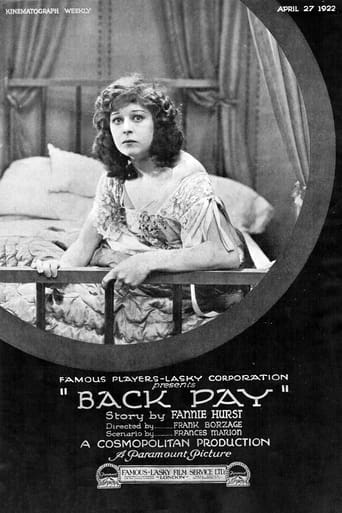
American actor who emerged during the days of cinema, working primarily in silent films from 1909 through the early 1920s. He began his career at the Biograph Company, where he became part of D.W. Griffith's regular stock company of actors, appearing in numerous short films that helped establish the language of cinema. Craig worked consistently during the formative years of Hollywood, transitioning from short films to feature-length productions as the industry evolved. His the entire silent era, though like many actors of his generation, he struggled to maintain his prominence with the advent of sound. While never achieving star status, Craig — reliable character actor who appeared in dozens of films, often playing authority figures, businessmen, or paternal roles. His filmography represents a cross-section of early American cinema, from Griffith's innovative Biograph shorts to later features produced by various studios of the silent era.
The Craft
On Screen
As a product of the theatrical tradition adapted to early cinema, Craig employed the exaggerated gestures and dramatic expressions typical of silent film acting. His style evolved from the stage-like performances of early Biograph shorts to more naturalistic acting as film techniques advanced. Craig specialized in conveying emotion and character through facial expressions and body language, essential skills in the absence of dialogue.
Milestones
- Member of D.W. Griffith's Biograph stock company (1909-1911)
- Appeared in the groundbreaking film 'A Corner in Wheat' (1909)
- Transitioned from short films to feature-length productions
- Worked with directors of the silent era
- Maintained steady employment through the formative years of Hollywood
Best Known For
Iconic Roles
Must-See Films
Working Relationships
Worked Often With
Studios
Why They Matter
Impact on Culture
Charles Craig represents the generation of actors who helped establish the foundation of American cinema. His work with D.W. Griffith at Biograph contributed to the development of film grammar and storytelling techniques that would become standard in cinema. While not a major star, his consistent presence in early films exemplifies the collaborative nature of early filmmaking, where stock companies of actors worked together to create the burgeoning art form. His career trajectory mirrors the evolution of the film industry itself, from short one-reelers to feature-length productions.
Lasting Legacy
Charles Craig's legacy lies in his contribution to the foundational years of American cinema. As part of Griffith's Biograph company, he participated in creating some of the most influential early films that shaped cinematic language. His filmography serves as a valuable record of early 20th-century American filmmaking practices and the transition from theatrical to cinematic acting styles. While largely forgotten by mainstream audiences, film historians recognize his work as part of the collective effort that established Hollywood as the center of global cinema.
Who They Inspired
As a working actor during cinema's formative years, Craig contributed to the development of screen acting techniques that would influence future generations of performers. His work in Griffith's films helped demonstrate how actors could adapt theatrical skills to the intimate medium of film, paving the way for more naturalistic screen performances in later decades.
Off Screen
Charles Craig was born in Illinois in 1877 and pursued a career in acting during the early development of the film industry. Like many actors of his era, he transitioned from stage work to the new medium of motion pictures. He spent his later years away from the film industry, living in California until his death in 1945.
Did You Know?
- Appeared in over 100 films during his 13-year career
- Was part of the original Biograph stock company that included many future stars
- Worked during the transition from short films to feature-length productions
- His film 'A Corner in Wheat' was selected for preservation in the National Film Registry in 1994
- Like many silent actors, his career declined with the advent of sound pictures
- Often played characters much older than his actual age
- Worked with multiple directors including Griffith and Sennett
- His active years covered the entire silent era from its early days to its peak
- Appeared in films that are now considered classics of early cinema
- Represented the working actor of early Hollywood rather than the star system
Frequently Asked Questions
Who was Charles Craig?
American silent film with credits in this catalog.W. Griffith's Biograph stock company and appearing in early films including 'A Corner in Wheat' (1909).
What films is Charles Craig best known for?
Titles linked here include A Corner in Wheat (1909), A Trap for Santa Claus (1909).
When was Charles Craig born and when did he die?
Born 1877; died 1945.
What awards did Charles Craig win?
Charles Craig did not receive any major awards during his career, as he was primarily a working character actor during the early years of cinema when formal award systems had not yet been established.
What was Charles Craig's acting style?
Craig employed the typical dramatic acting style of the silent era, using exaggerated gestures and facial expressions to convey emotion, though his technique evolved toward more naturalistic performances as film acting developed.
Did Charles Craig work with any famous directors?
Yes, Craig worked extensively with D.W. Griffith at the Biograph Company, appearing in many of Griffith's groundbreaking early films that helped establish cinematic storytelling techniques.
Why did Charles Craig's career end in 1922?
Like many silent era actors, Craig's career declined as the industry transitioned to sound films in the late 1920s, and he appears to have retired from acting before the sound revolution fully took hold.