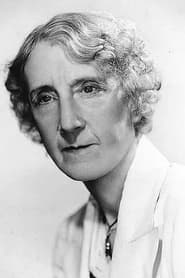
Flora Finch
Actor
Born: June 17, 1867 in London, England Died: January 4, 1940 Active: 1908-1927
Films
10 films

About Flora Finch
English-American actress who became recognizable and prolific character actresses of the silent film era. Born in London in 1867, she began her career on the stage before transitioning to motion pictures with the Biograph Studio in 1908. Finch achieved tremendous popularity through her partnership with comedian John R. Clements, forming one of early cinema's most successful comedy duos. She specialized in playing eccentric spinsters, meddling mothers, and comical old maids, often sporting her trademark spectacles and elaborate hats. At the height of her popularity in the early 1910s, she was among the highest-paid actresses in Hollywood, earning $500 per week. Her nearly two decades and included appearances in over 300 films, though her popularity waned with the transition to sound films in the late 1920s. Finch retired from acting in 1927 and lived quietly in Los Angeles until her death in 1940, leaving behind a as one of early cinema's most distinctive character performers.
The Craft
On Screen
Flora Finch was known for her exaggerated, theatrical acting style that was perfectly suited to the demands of silent film comedy. She employed broad physical gestures, expressive facial contortions, and precise comic timing to convey humor without dialogue. Her performances were characterized by a distinctive blend of prim propriety and chaotic energy, often playing characters who attempted to maintain dignity while being swept into absurd situations. Finch had a particular talent for using props, especially hats and spectacles, as extensions of her comic persona, and she mastered the art of the double-take and slow burn reactions that became staples of silent comedy.
Milestones
- Formed successful comedy duo with John R. Clements at Vitagraph Studios
- Became one of highest-paid actresses in early 1910s earning $500/week
- Starred in over 300 films during silent era
- Popularized the 'spinster' character type in early comedy
- Successfully transitioned from stage to film career
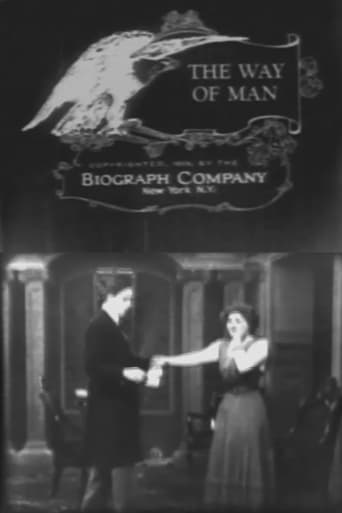
- Worked with director D.W. Griffith at Biograph
Best Known For
Iconic Roles
Must-See Films
Accolades
Special Recognition
- Star on Hollywood Walk of Fame (1720 Vine Street)
Working Relationships
Worked Often With
Studios
Why They Matter
Impact on Culture
Flora Finch played a significant role in establishing the archetype of the comic spinster character in American cinema, influencing generations of character actresses who followed. Her films helped define the visual language of silent comedy, demonstrating how physical appearance and props could be used to create memorable comic characters. As one of the first female stars to achieve financial independence and creative control over her films, Finch paved the way for greater opportunities for women in the emerging film industry. Her work with John R. Clements established the template for male-female comedy duos that would later be perfected by teams like Laurel and Hardy and Burns and Allen.
Lasting Legacy
Flora Finch's legacy endures through her extensive body of work that survives as proof of early American comedy cinema. Though largely forgotten by modern audiences, film historians recognize her as a figure who helped establish character comedy as a legitimate art form. Her films are studied today for their insight into early 20th-century social attitudes, particularly regarding gender roles and the status of unmarried women. Finch's career trajectory also serves as an example of the challenges faced by silent film stars during the transition to sound, making her story an important chapter in Hollywood history.
Who They Inspired
Finch influenced countless character actresses who followed, particularly those specializing in comic roles. Her distinctive acting style and character choices can be seen echoed in the work of later performers like Edna May Oliver, Agnes Moorehead, and even modern character actresses. She demonstrated that character actors could achieve stardom and financial success, challenging the industry's focus on youthful romantic leads. Her business acumen and professional conduct set standards for actors' behavior on set, and her ability to create memorable characters without dialogue influenced the development of visual storytelling techniques in cinema.
Off Screen
Flora Finch led a relatively private personal life despite her immense popularity during the silent film era. She married Harold March, a fellow performer, though the marriage ended in divorce. Unlike many of her contemporaries, Finch avoided scandal and maintained a reputation for professionalism and reliability on set. She was known for her frugality and wise investments, which allowed her to live comfortably after her film career ended. Finch never had children and spent her retirement years in Los Angeles, occasionally attending film retrospectives and reunions with former colleagues. She remained proud of her contributions to early cinema until her death from heart disease at age 72.
Education
Educated in London, attended dramatic school and received theatrical training before entering show business
Family
- Harold March (1910-1915)
Did You Know?
- Was one of the highest-paid actresses in Hollywood by 1912, earning $500 per week
- Appeared in over 300 films during her 19-year career
- Her trademark look included large spectacles and elaborate hats
- Formed one of early cinema's most successful comedy teams with John R. Clements
- Began her career on the London stage at age 16
- Was originally contracted to Biograph Studio for $25 per week in 1908
- Her popularity declined sharply with the advent of sound films
- Retired from acting in 1927 when her contract with Fox expired
- Was known for her professionalism and never missed a day of shooting
- Invested her earnings wisely and was financially secure in retirement
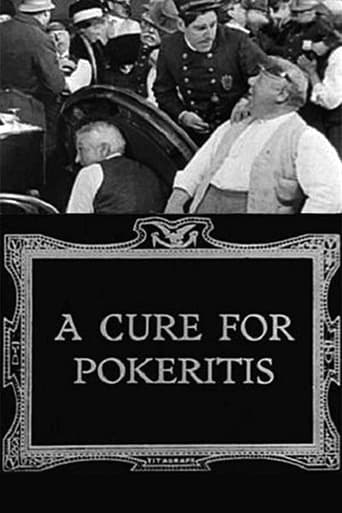
- Her film 'A Cure for Pokeritis' was selected for preservation in the National Film Registry
- Often played characters much older than her actual age
In Their Own Words
In the pictures, one must be larger than life, or the camera will swallow you whole.
Comedy is serious business. It takes more skill to make people laugh than to make them cry.
I have never regretted my choice of career. The motion picture has been good to me, and I hope I have been good to it.
Frequently Asked Questions
Who was Flora Finch?
English-American actress who became.
What films is Flora Finch best known for?
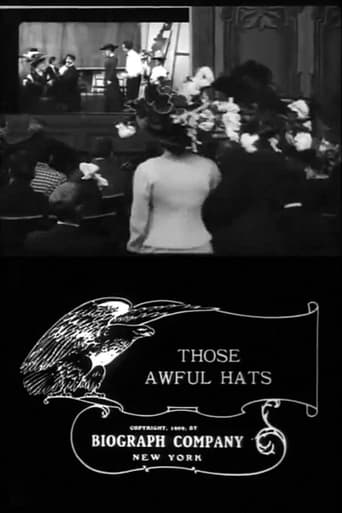
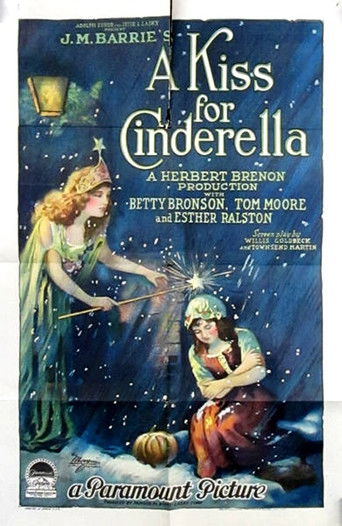
Titles linked here include A Cure for Pokeritis (1912), Those Awful Hats (1909).
When was Flora Finch born and when did she die?
Born June 17, 1867; died January 4, 1940.
What awards did Flora Finch win?
While she didn't receive major awards during her lifetime, she was honored with a star on the Hollywood Walk of Fame at 1720 Vine Street for her contributions to motion pictures.
What was Flora Finch's acting style?
Finch was known for her exaggerated theatrical style perfect for silent comedy, using broad physical gestures, expressive faces, and precise comic timing, often playing prim characters caught in absurd situations.
Why did Flora Finch's career end?
Her career declined with the transition to sound films in the late 1920s, as her distinctive visual comedy style and character type didn't translate well to talking pictures.
Did Flora Finch work with other famous silent film stars?
Yes, she worked with many early film pioneers including D.W. Griffith at Biograph, formed a successful duo with John R. Clements at Vitagraph, and collaborated with numerous other early film stars.