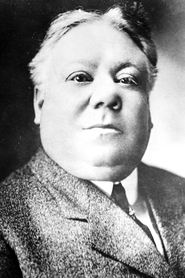
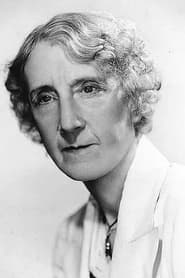
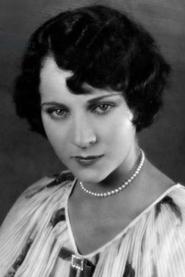
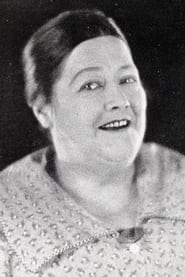
Her Crowning Glory
"widower becomes infatuated with his daughter's governess, to"
Keys: Space play/pause · ←/→ 10s · F fullscreen · M mute · </> speed
About this film
A widower becomes infatuated with his daughter's governess, to the displeasure of the child and her nurse.
Cast & crew
More films like this
More Comedy films
View all →







More from Laurence Trimble
View all →More about this film
About the production
Release dateSeptember 1911
ProductionVitagraph Company of America
Filmed inBrooklyn, New York (Vitagraph Studios)
The short was part of the popular 'Bunnyfinches' series of domestic comedies starring John Bunny and Flora Finch. The Vitagraph Studios in Brooklyn was one of the earliest film production facilities in America. Early silent films like this were typically shot in natural light using glass-enclosed studios. The picture was likely completed in one or two days, as was common for shorts of this era.
Themes
Family dynamicsParent-child relationshipsDeception and manipulationSocial classGender roles
Themes & topics
governesswidowerfamily conflictdeceptiondomestic comedymanipulationchildhood innocencemoral lessonsocial hierarchyromantic pursuit
Historical background
Vitagraph Company of America's 1911 release of Her Crowning Glory fit contemporary United States programs that mixed fiction, news, and novelty subjects for repeat weekly attendance.
Why this film matters
Programmers and historians revisit Her Crowning Glory (1911) because its story—a widower becomes infatuated with his daughter's governess, to the displeasure of the child and her nurse—illustrates popular narrative habits and production norms of the period.
Making of
The production of 'Her Crowning Glory' took place during a formative period in American cinema when the picture industry was establishing itself as a legitimate entertainment medium. The Vitagraph Studios in Brooklyn, where was likely shot, was among the leading sophisticated production facilities of its time. Director Laurence Trimble, who had a background in both acting and directing, brought a polished approach to these domestic comedies. The chemistry between John Bunny and Flora Finch was well-established by 1911, having appeared in numerous films together since 1910. Bunny, a former vaudeville performer, brought theatrical timing to his film work, while Finch's background in stage comedy complemented his style. the picture would have been shot quickly, likely in one or two days, with minimal retakes due to the cost of film stock. The sets were simple but detailed, reflecting Vitagraph's commitment to production quality. The young Helene Costello, who played the daughter, was already an experienced child actress having appeared in films since 1909.
What critics said
English-language trade reviews of Her Crowning Glory are limited for 1911. Where notices survive, they stress pacing and photographic clarity; later criticism values the title as archival evidence of studio style.
Did you know?
- John Bunny was one of America's first film comedians to achieve true star status, earning $1,000 per week at the height of his popularity in 1911.
- The 'Bunnyfinches' series (John Bunny and Flora Finch) was so popular that the portmanteau 'Bunnyfinch' entered common usage to describe their domestic comedies.
- Director Laurence Trimble was also known for his work with animal actors, particularly dogs, and later directed several films featuring the famous dog actor Jean.
- Vitagraph was one of the major film production companies of the early 1910s, competing with Biograph, Edison, and others.
- was released during the peak of John Bunny's career, just two years before his untimely death in 1915 at age 51.
- Early silent films like this often featured intertitles with rhyming couplets or witty phrases to advance the narrative.
- the picture's title 'Her Crowning Glory' was likely a reference to the governess's hairstyle, which was a common focus of attention in films of this era.
- Vitagraph films were known for their higher production values compared to many other studios of the period.
- was part of the transitional period when films were moving from simple chase comedies to more complex narrative structures.
- The domestic setting was a favorite backdrop for early comedies, as it was relatable to middle-class audiences.
Visual style
The cinematography of 'Her Crowning Glory' would have been typical of Vitagraph productions of 1911, featuring relatively static camera positions with occasional pans to follow action. the picture was likely shot on 35mm black and white film stock using hand-cranked cameras, resulting in variable frame rates that contribute to the distinctive rhythm of silent films. Vitagraph was known for its higher production values, so the lighting would have been more carefully controlled than in many contemporary productions. The studio's glass-enclosed stages allowed for the use of natural light supplemented by arc lamps, creating a more naturalistic look than was common at the time. Composition would have followed theatrical conventions, with actors positioned to create clear visual relationships and emotional emphasis. the picture would have featured medium shots and close-ups, techniques that were still relatively new in 1911 but increasingly used to convey emotion and detail. The domestic setting allowed for detailed set dressing that added visual interest and authenticity to the scenes.
Innovations
While 'Her Crowning Glory' was not a groundbreaking film in terms of technical innovation, it benefited from Vitagraph's commitment to production quality and the general technological improvements occurring in the picture industry during this period. the picture was likely shot using improved film stock that offered better image quality and consistency than earlier materials. Vitagraph was among the studios experimenting with artificial lighting techniques, allowing for more controlled and visually appealing images. The editing would have been more sophisticated than in earlier films, with clearer narrative continuity and more refined pacing. The use of intertitles would have been more polished, with better typography and more concise wording than in previous years. the picture's production would have benefited from the increasing standardization of film equipment and practices, leading to more consistent technical quality across productions. While not revolutionary, these incremental improvements contributed to the overall professionalism and watchability of the picture.
Music
As a silent film, 'Her Crowning Glory' would have been accompanied by live music during theatrical exhibitions. The type of musical accompaniment would have varied depending on the theater's resources, ranging from a single piano in smaller venues to small orchestras in more prestigious theaters. Vitagraph often provided cue sheets with their films, suggesting appropriate musical pieces for different scenes. For a domestic comedy like this, the music would likely have included popular songs of the era, classical pieces, and specially composed mood music. The governess scenes might have been accompanied by romantic or waltz music, while the comedic elements would have been enhanced with lighter, more playful selections. The tempo and volume of the music would have been adjusted to match the action on screen, with dramatic moments receiving more intense musical treatment. The practice of providing musical suggestions with films was becoming increasingly common by 1911, helping to standardize the viewing experience across different venues.
Famous quotes
No recorded dialogue available as this is a silent film
Memorable scenes
- The scene where the governess deliberately 'accidentally' drops her handkerchief to attract the widower's attention, demonstrating her manipulative nature through subtle gestures and expressions.
What audiences thought
The 'Bunnyfinches' films, including 'Her Crowning Glory,' were extremely popular with audiences of their time, making John Bunny one of the highest-paid actors in early American cinema. The relatable domestic situations and the comforting familiarity of the recurring characters created a loyal following among middle-class moviegoers. The films were particularly successful in urban areas where the growing middle class had disposable income for entertainment. Audience feedback from the period suggests that viewers appreciated the films' combination of humor with moral lessons, which made them feel respectable as family entertainment. The popularity of these comedies helped establish cinema as a regular social activity rather than a novelty attraction. Bunny's Everyman quality made him particularly beloved, with audiences seeing elements of themselves or people they knew in his characters. The films' success was such that other studios attempted to create similar domestic comedy series, though none achieved the same level of popularity as the Vitagraph productions.
Film connections
Influenced by
- Domestic theatrical comedies
- Victorian literature
- Vaudeville comedy traditions
- Earlier Vitagraph comedy shorts
- French comedy films of the era
This film influenced
- Later domestic comedy shorts
- Family sitcoms
- Romantic comedies featuring deception themes
- Films featuring governess characters
Film restoration
The preservation status of 'Her Crowning Glory' is uncertain, as is the case with many films from this era. A significant percentage of silent films from the 1910s have been lost due to the unstable nature of early film stock and the lack of systematic preservation efforts. Some Vitagraph films from this period have survived in archives such as the Library of Congress and the Museum of Modern Art, but the specific survival of this title is not definitively documented. If the picture exists, it would likely be in 35mm nitrate or safety film format, possibly in incomplete form. the picture's value as a representative example of the popular Bunnyfinches series would make it a priority for preservation if discovered.
Where to watch
- the picture is not currently available on major streaming platforms or home video formats. If it has been preserved, it may be accessible through film archives such as the Library of Congress, the Museum of Modern Art Film Department, or the British Film Institute. Some early Vitagraph films occasionally appear in special screenings at film festivals or museum retrospectives. Online archives of early cinema might contain fragments or the complete film if it has been digitized, though access would likely be limited to researchers or through special institutional arrangements.