Laurence Trimble
Director
Born: February 15, 1885 in Robbinston, Maine, USA Died: February 8, 1954 Active: 1910-1926
Films
4 films
About Laurence Trimble
Made significant contributions to early cinema during the silent era. He began his career as an actor before transitioning to directing, where he found considerable success working primarily with Vitagraph Studios. Trimble was particularly renowned for his work with animal actors, most notably a dog named Jean who became one of the first canine film stars and a major box office draw. He discovered Jean in 1910 and went on to direct the dog in numerous successful films, establishing a template for animal-centered cinema that would influence generations of filmmakers. Throughout his career, Trimble directed over 100 films, showcasing versatility across comedy, drama, and adventure genres while consistently demonstrating innovative techniques in visual storytelling. His work often featured naturalistic performances and emotional narratives that resonated with audiences of the time. In the 1920s, Trimble moved to England where he continued his filmmaking career before eventually retiring from the industry, leaving behind a legacy as one of early cinema's most versatile directors.
The Craft
Behind the Camera
Laurence Trimble's directing style was characterized by its naturalistic approach and emotional storytelling, particularly evident in his work with animal actors. He demonstrated remarkable patience and innovation in capturing authentic performances from non-human actors, often using multiple takes to achieve the desired effect. Trimble employed a straightforward narrative style that emphasized clear storytelling and character development, making his films accessible to early cinema audiences. His visual composition showed a keen understanding of the emerging language of cinema, with careful attention to framing and movement within the shot. Trimble's direction often focused on heartwarming, family-friendly content that highlighted the bond between humans and animals, creating emotionally resonant narratives that appealed to broad audiences.
Milestones
- Discovered and directed Jean the dog, one of the first animal film stars
- Directed over 100 films during his career
- Worked extensively with Vitagraph Studios during their golden age
- Pioneered techniques in filming with animal actors
- Successfully transitioned from acting to directing
- Moved to England and continued his directing career there
- Made significant contributions to early comedy cinema
Best Known For
Must-See Films
Accolades
Special Recognition
- Pioneer in animal cinema
- Recognized as one of Vitagraph Studios' most prolific directors
Working Relationships
Worked Often With
Studios
Why They Matter
Impact on Culture
Laurence Trimble made a significant cultural impact through his work with animal actors in early cinema. His collaboration with Jean the dog helped establish animals as viable box office draws and demonstrated the emotional potential of non-human characters in film narratives. Trimble's success with Jean paved the way for future animal stars like Rin Tin Tin and Lassie, creating a lasting genre in cinema that continues to this day. His work also contributed to the development of comedy in early American cinema, particularly through his collaborations with popular comedy teams of the era. Trimble's films helped establish storytelling techniques that would become standard in family entertainment, emphasizing heartwarming narratives and moral lessons that appealed to audiences of all ages.
Lasting Legacy
Laurence Trimble's legacy in film history is primarily defined by his groundbreaking work with animal actors and his substantial contributions to early American cinema. As one of the first directors to successfully center films around an animal character, he created a template that countless filmmakers would follow. His over 100 directed films represent a significant body of work from the silent era, showcasing the evolution of cinematic storytelling during its formative years. Trimble's techniques for working with animal actors influenced generations of filmmakers and helped establish animals as legitimate stars in their own right. His work with Vitagraph Studios during their peak years contributed to the company's success and helped shape the early American film industry. Today, film historians recognize Trimble as an important innovator who expanded the possibilities of cinematic storytelling through his unique focus on the human-animal bond.
Who They Inspired
Laurence Trimble influenced subsequent generations of filmmakers through his innovative approaches to working with animal actors and his naturalistic directing style. His success with Jean the dog demonstrated that animals could carry films as central characters, inspiring later directors like Charles 'Buddy' Rogers who worked with Rin Tin Tin and the various directors who worked with Lassie. Trimble's techniques for training and filming animals became foundational knowledge in the industry, influencing how animal scenes were shot for decades. His emphasis on emotional storytelling and family-friendly content helped establish conventions in family entertainment that persist in cinema today. Directors like Frank Capra and other family-oriented filmmakers of later decades built upon the emotional foundation that Trimble helped establish in early cinema.
Off Screen
Laurence Trimble was married twice during his lifetime, both times to actresses from the silent film era. His personal life was closely connected to his professional career, as he often cast his spouses in his films. Trimble was known for his deep affection for animals, particularly dogs, which became a defining characteristic of both his personal and professional life. After his active filmmaking years, he lived a relatively quiet life away from the public eye. His passion for animal welfare and training continued throughout his life, even after he retired from the film industry.
Education
Limited formal education, largely self-taught in filmmaking through practical experience in the early film industry
Family
- Margarita Fischer (1915-1920)
- Mona Liza (1925-1954)
Did You Know?
- Discovered Jean the dog when she was a stray and paid $2 for her
- Jean the Dog became one of the highest-paid actors of her time
- Trimble often wrote, directed, and acted in his own films
- He was one of the first filmmakers to use multiple takes for animal performances
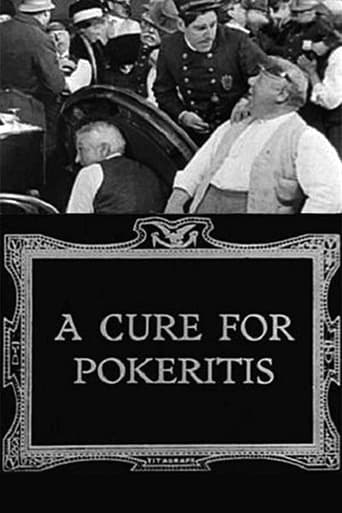
- His film 'A Cure for Pokeritis' was preserved by the Library of Congress
- Trimble moved to England in the 1920s to continue his career
- He worked as a war correspondent during World War I
- Jean the Dog appeared in over 20 films before her death in 1916
- Trimble was known for his patience and kindness toward animal actors
- His films were among the first to feature animals as protagonists rather than side characters
In Their Own Words
The secret to working with animals is patience, understanding, and treating them as the intelligent beings they are.
A dog on screen can convey more emotion with a single glance than many actors can with pages of dialogue.
In the early days, we were inventing cinema as we went along. Every film was an experiment.
Frequently Asked Questions
Who was Laurence Trimble?
American on YTB.my. He directed over 100 films between 1910 and 1926, working primarily with Vitagraph Studios before moving to England to continue his career.
What films is Laurence Trimble best known for?
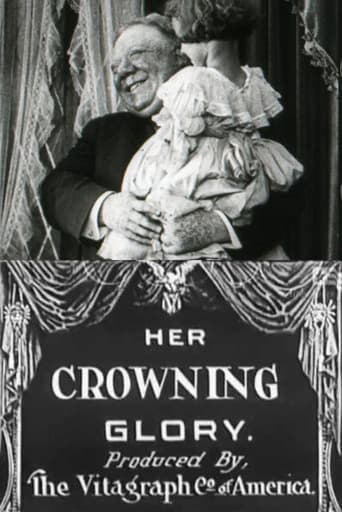
Titles linked here include Her Crowning Glory (1911), A Cure for Pokeritis (1912).
When was Laurence Trimble born and when did he die?
Born February 15, 1885; died February 8, 1954.
What awards did Laurence Trimble win?
While Laurence Trimble did not receive formal awards during his lifetime, he is recognized by film historians as a pioneer in animal cinema and one of Vitagraph Studios' most prolific and influential directors. His work has been preserved by institutions like the Library of Congress.
What was Laurence Trimble's directing style?
Trimble's directing style emphasized naturalistic performances and emotional storytelling, particularly in his work with animal actors. He was known for his patience in capturing authentic performances from animals and his ability to create heartwarming, family-friendly narratives that resonated with audiences of the silent era.