
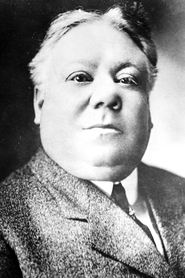
John Bunny
Actor
Born: September 21, 1863 in New York City, New York, USA Died: April 26, 1915 Active: 1910-1915
Films
5 films
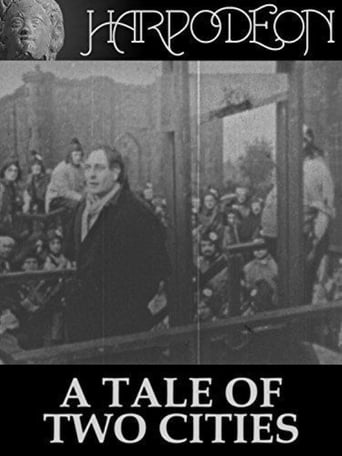
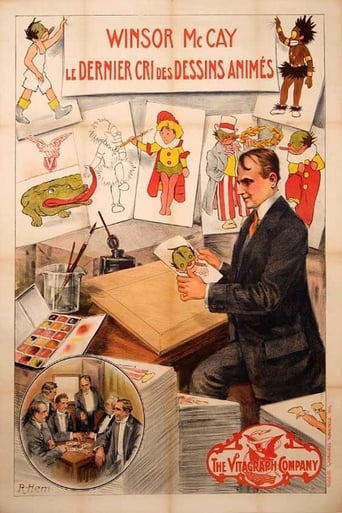
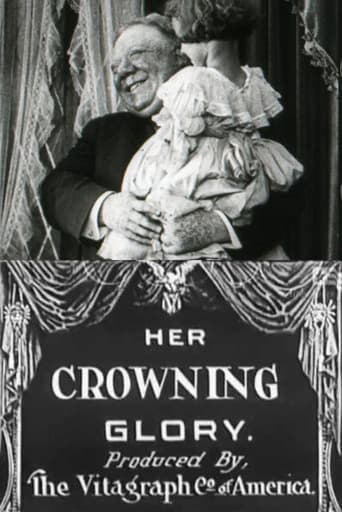
About John Bunny
American film comedian who became one of the first true movie stars during the silent era. He began his career on the stage in minstrel shows and vaudeville before transitioning to films in 1910 with the Vitagraph Studios. Bunny quickly became enormously popular, specializing in domestic comedies that showcased his rotund figure and gentle, affable persona. He made over 150 short films between 1910 and his death in 1915, becoming one of the highest-paid actors of his time with a salary of $1,000 per week. His films often featured him in situations of domestic bliss or comedic mishaps, playing characters that audiences found relatable and endearing. Bunny's partnership with actress Flora Finch created one of early cinema's most successful comedy teams. Sadly, his career was cut short when he died of Bright's disease at the age of 51, at the height of his popularity, leaving behind a legacy as one of the foundational figures of American film comedy.
The Craft
On Screen
Bunny's acting style was characterized by his gentle, understated approach to comedy that relied more on facial expressions and situational humor than physical slapstick. His large, rotund physique became his trademark, and he used it to create a character of the lovable, slightly bumbling everyman. Unlike the more exaggerated comedic styles of his contemporaries, Bunny's performances were subtle and naturalistic, making his characters relatable to middle-class audiences. He specialized in portraying henpecked husbands, befuddled fathers, and good-natured businessmen caught in comedic predicaments. His screen presence was warm and affable, creating an immediate connection with viewers that made him one of the first true film personalities audiences could recognize and follow.
Milestones
- Signed with Vitagraph Studios in 1910 becoming their first major star
- Formed successful comedy duo with Flora Finch in 'Bunnyfinches' comedies
- Made over 150 short films in just 5 years
- Became one of the highest-paid actors of the silent era at $1,000 per week
- Starred in the first film adaptation of Dickens' 'The Pickwick Papers'
- Pioneered domestic comedy genre in American cinema
Best Known For
Iconic Roles
Must-See Films
Accolades
Special Recognition
- Hollywood Walk of Fame star (Motion Pictures)
- figure recognized by film historians as one of America's first film stars
Working Relationships
Worked Often With
Studios
Why They Matter
Impact on Culture
John Bunny revolutionized early American cinema by demonstrating that films could create genuine stars with audience appeal. He was among the first performers to prove that an actor's personality could draw audiences to theaters, establishing the foundation for the star system that would dominate Hollywood for decades. His domestic comedies reflected and shaped American middle-class values of the early 20th century, presenting idealized yet humorous versions of family life. Bunny's success showed that comedy could be a major commercial force in cinema, paving the way for future comedy stars. His films were distributed internationally, making him one of the first American film stars with global recognition. The 'Bunnyfinches' comedies with Flora Finch established the template for male-female comedy partnerships that would be replicated throughout film history.
Lasting Legacy
John Bunny's legacy as one of the figures of American cinema endures through his influence on comedy performance and the star system. Though most of his films have been lost, film historians recognize him as crucial to the development of American film comedy and the concept of movie stardom. His approach to subtle, character-driven comedy influenced generations of performers who followed. Bunny demonstrated that audiences would develop personal connections with film personalities, a principle that remains fundamental to the entertainment industry. His success at Vitagraph helped establish the studio as a major player in early Hollywood. The John Bunny Award for Comedy was later established in his honor, recognizing achievement in film comedy. He represents the transition from stage to screen performance and helped define what it meant to be a 'movie star' in the new medium of cinema.
Who They Inspired
John Bunny's influence on comedy performance was profound, establishing a template for the relatable, everyman comedian that would be followed by stars like Jackie Gleason and Homer Simpson decades later. His naturalistic acting style contrasted with the theatrical approach common in early cinema, influencing performers toward more subtle screen techniques. The domestic comedy genre he pioneered became a staple of both film and television, with shows like 'The Honeymooners' and 'Married. With Children' owing a debt to his approach. His partnership with Flora Finch established the male-female comedy duo formula that would be replicated by teams like Burns and Allen, Lucy and Desi, and countless others. Bunny's success proved that comedy could be sophisticated and character-driven rather than purely physical, influencing the development of situation comedy. His ability to create empathy while generating laughter became a model for comedians seeking to balance humor with heart.
Off Screen
John Bunny was married and had two children. He lived in Brooklyn, New York for much of his life and maintained a reputation as a devoted family man off-screen. Despite his enormous success in films, he remained grounded and was known for his kindness to fans and colleagues. His sudden death at the peak of his career shocked the film industry and his millions of fans worldwide. Bunny was also known for his charitable work and often participated in benefit performances for various causes.
Education
Limited formal education, trained in theater through practical experience in minstrel shows and vaudeville circuits
Family
- Clara Scallan (m. 1890-1915, his death)
Did You Know?
- Was one of the first actors to receive screen credit for his performances
- Made more films in his 5-year career than many actors make in a lifetime
- At the time of his death, he was the most popular film comedian in America
- His films were so popular that 'Bunnyfinches' became a common term for his comedy shorts with Flora Finch
- Despite his success, only a handful of his films survive today due to the deterioration of nitrate film
- He earned $1,000 per week at his peak, equivalent to over $25,000 today
- His death was front-page news across America and internationally
- He was a trained opera singer before turning to comedy
- Weighed over 250 pounds, which became part of his comic persona
- His son George Bunny also became an actor, appearing in over 200 films
- Was known as 'The Man Who Makes the World Laugh' in contemporary press
In Their Own Words
I don't have to be funny. I just have to be me, and people laugh.
The camera is a funny thing. It catches what you really are, not what you pretend to be.
Comedy is just tragedy happening to someone else.
Frequently Asked Questions
Who was John Bunny?
John Bunny was one of America's first film stars and comedians of the silent era. He made over 150 short films between 1910-1915, specializing in domestic comedies that made him enormously popular with audiences. He was known for his gentle, everyman comedy style and was one of the highest-paid actors of his time before his untimely death at age 51.
What films is John Bunny best known for?
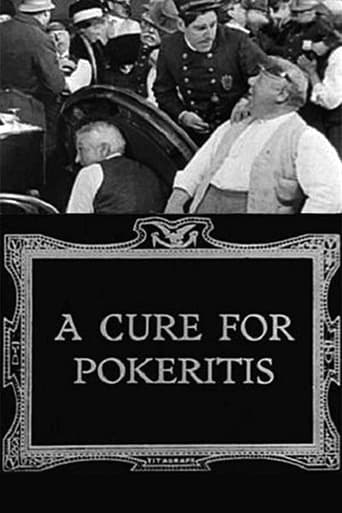
Titles linked here include A Cure for Pokeritis (1912), The Pickwick Papers (1913).
When was John Bunny born and when did he die?
Born September 21, 1863; died April 26, 1915.
What awards did John Bunny win?
During John Bunny's era (1910-1915), formal film awards did not exist, so he received no official accolades during his lifetime. However, he posthumously received a star on the Hollywood Walk of Fame and is recognized by film historians as. His greatest award was the enormous popularity he achieved with audiences worldwide.
What was John Bunny's acting style?
John Bunny's acting style was characterized by gentle, understated comedy that relied on facial expressions and situational humor rather than physical slapstick. He used his large physique to create a lovable everyman character that audiences found relatable. His naturalistic approach contrasted with the more theatrical acting common in early films, helping establish a more realistic style of screen performance.
How did John Bunny influence later comedians?
John Bunny influenced later comedians by the relatable everyman comedy style and establishing the domestic comedy genre. His naturalistic approach to screen acting influenced performers toward subtler techniques. The male-female comedy partnership he created with Flora Finch became a template for future comedy teams. His success proved that character-driven comedy could be commercially viable, influencing generations of comedians from Harold Lloyd to modern sitcom stars.
Why are so few of John Bunny's films available today?
Most of John Bunny's films have been lost due to the deterioration of nitrate film stock, which was commonly used in early cinema. Nitrate film is highly flammable and chemically unstable, causing many films from the 1910s to decompose over time. Of the 150+ films he made, only a handful survive, making his surviving works particularly valuable to film historians and enthusiasts of early cinema.