A Tale of Two Cities
"Paris mobs and London mercy"
Keys: Space play/pause · ←/→ 10s · F fullscreen · M mute · </> speed
About this film
A condensed silent film version of the Charles Dickens classic about the French Revolution and its subsequent Reign of Terror. Exhibitors circulated the 1911 print in short programs.
Cast & crew
More films like this
More Drama films
View all →







More from William Humphrey
View all →
More about this film
About the production
Release dateSeptember 23, 1911
Box officeUnknown - box office tracking was not standardized in 1911
ProductionVitagraph Company of America
Filmed inBrooklyn, New York (Vitagraph Studios)
This was one of the earliest cinematic adaptations of Dickens' work, created during a period when film studios were beginning to recognize the commercial potential of literary adaptations. The production faced the challenge of condensing Dickens' complex 45-chapter narrative into a format suitable for early cinema's time constraints. As was typical for Vitagraph productions of this period, the film was likely shot quickly on existing studio sets with minimal location work.
Themes
Sacrifice and redemptionSocial injustice and revolutionDual nature of humanityLove and devotionHistorical transformation
Themes & topics
French RevolutionLondonParisReign of TerrorGuillotineAristocracyRevolutionSacrificeLove triangleHistorical dramaSocial upheaval
Historical background
A Tale of Two Cities reached screens around 1911, produced in its country of origin. Silent-era houses paired such titles with live music and newsreel bills.
Why this film matters
Researchers cite A Tale of Two Cities when tracing screen culture of its decade.
Making of
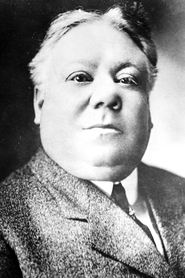
The production was typical of Vitagraph's approach during this period, utilizing their roster of contract players who were already familiar to audiences. Director William Humphrey was both an actor and director for Vitagraph, bringing his theatrical experience to the adaptation process. The film would have been shot on the company's Brooklyn studio lot, with painted backdrops and minimal sets representing both London and Paris. As with most films of this era, there was no recorded dialogue, so actors relied on exaggerated gestures and facial expressions to convey emotion. The intertitles would have been minimal due to the film's short length, relying instead on the audience's familiarity with the source material.
What critics said
Reviewers in 1911 weighed A Tale of Two Cities on clarity, pacing, and audience response rather than prestige status. No single canonical review dominates later reference works for the title.
Did you know?
- This film is now considered lost, as no known copies survive in any film archive or private collection
- It was one of at least three different film adaptations of 'A Tale of Two Cities' released in 1911, demonstrating the novel's enduring popularity
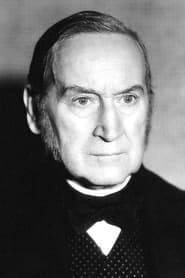
- John Bunny, who played a role in this film, was one of the first true film comedians and had his own production company at Vitagraph
- The film was released during the golden age of silent film adaptations of literary classics, when studios raced to bring famous novels to the screen
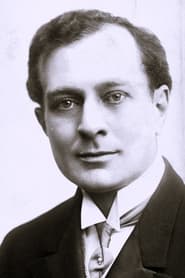
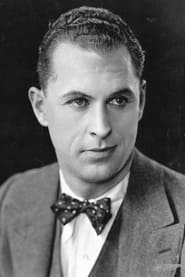
- Maurice Costello, one of the stars, was known as 'the first matinee idol of American cinema' and was one of the highest-paid actors of his time
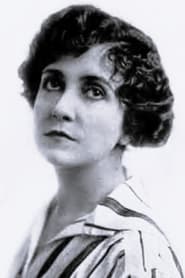
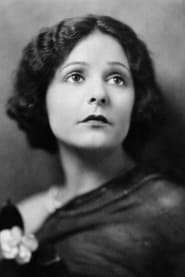
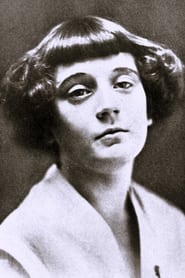
- Florence Turner was often called 'the Vitagraph Girl' and was one of America's first movie stars with a devoted fan following
- The film's release came just 16 years after the birth of cinema, making it an extremely early example of literary adaptation
- Vitagraph Studios was especially prolific production companies of the early silent era, producing hundreds of short films annually
Visual style
The cinematography would have been typical of Vitagraph productions in 1911, utilizing stationary camera positions with basic lighting setups. The film would have been shot on 35mm black and white film stock, with the cinematographer employing medium shots and close-ups to capture the actors' expressions. As was standard for the period, the visual style would have been theatrical in nature, with compositions influenced by stage presentations. The lack of location shooting meant that historical settings were created using studio sets and painted backdrops, requiring creative solutions to suggest the dual locations of London and Paris.
Innovations
While not groundbreaking in technical terms, the film represented the growing sophistication of narrative cinema in 1911. The adaptation of such a complex literary work demonstrated the expanding capabilities of film storytelling within the constraints of the single-reel format. The film would have utilized Vitagraph's standard technical equipment and practices of the period, including their proprietary film processing methods. The production likely employed some of the early editing techniques being developed at the time, including cross-cutting between parallel storylines to maintain narrative coherence despite the extreme condensation of the source material.
Music
As a silent film, it would have been accompanied by live musical performance in theaters. The exact musical selections would have varied by venue, but typical accompaniment might include popular classical pieces, patriotic songs, and mood-appropriate selections from theater orchestras. Larger theaters might have employed small orchestras, while smaller venues used piano accompaniment. The music would have been chosen to enhance the dramatic moments and help convey the emotional tone of scenes, particularly during the revolutionary sequences and the film's climactic scenes.
Famous quotes
It is a far, far better thing that I do, than I have ever done; it is a far, far better rest that I go to than I have ever known
It was the best of times, it was the worst of times
Recalled to life
Memorable scenes
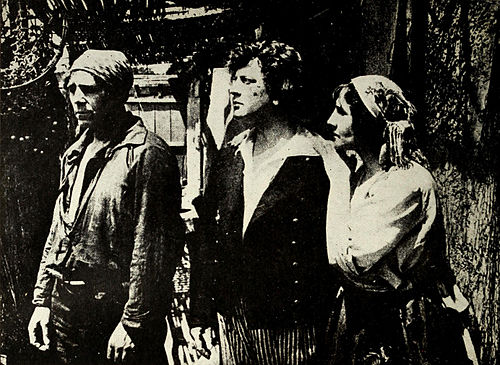
- The final guillotine scene where Sydney Carton sacrifices himself for Charles Darnay, which would have been the emotional climax of the condensed adaptation, featuring dramatic gestures and expressions typical of silent era acting to convey the momentous sacrifice without dialogue
What audiences thought
The film was reportedly well-received by audiences of 1911, who were familiar with the source material and appreciated seeing the famous characters brought to life on screen. The star power of Maurice Costello and Florence Turner likely contributed to its commercial success. Audiences of this era were still marveling at the magic of moving pictures, and literary adaptations provided a familiar framework for understanding this new medium. The film's brevity made it suitable for the typical theater program of the time, which usually featured multiple short films.
Film connections
Influenced by
- Charles Dickens' novel 'A Tale of Two Cities' (1859)
- Stage adaptations of Dickens' work
- Earlier literary film adaptations by Vitagraph
This film influenced
- Subsequent film adaptations of 'A Tale of Two Cities' (1917, 1922, 1935, 1958, 1980, 2008)
- Other Vitagraph literary adaptations
- Early historical dramas in cinema
Film restoration
Lost film - no known copies survive in any film archive or private collection. Like approximately 90% of American films produced before 1920, this film has been lost due to the decomposition of nitrate film stock and inadequate preservation practices in the early film industry.
Where to watch
- No available viewing options - the film is considered lost and cannot be viewed